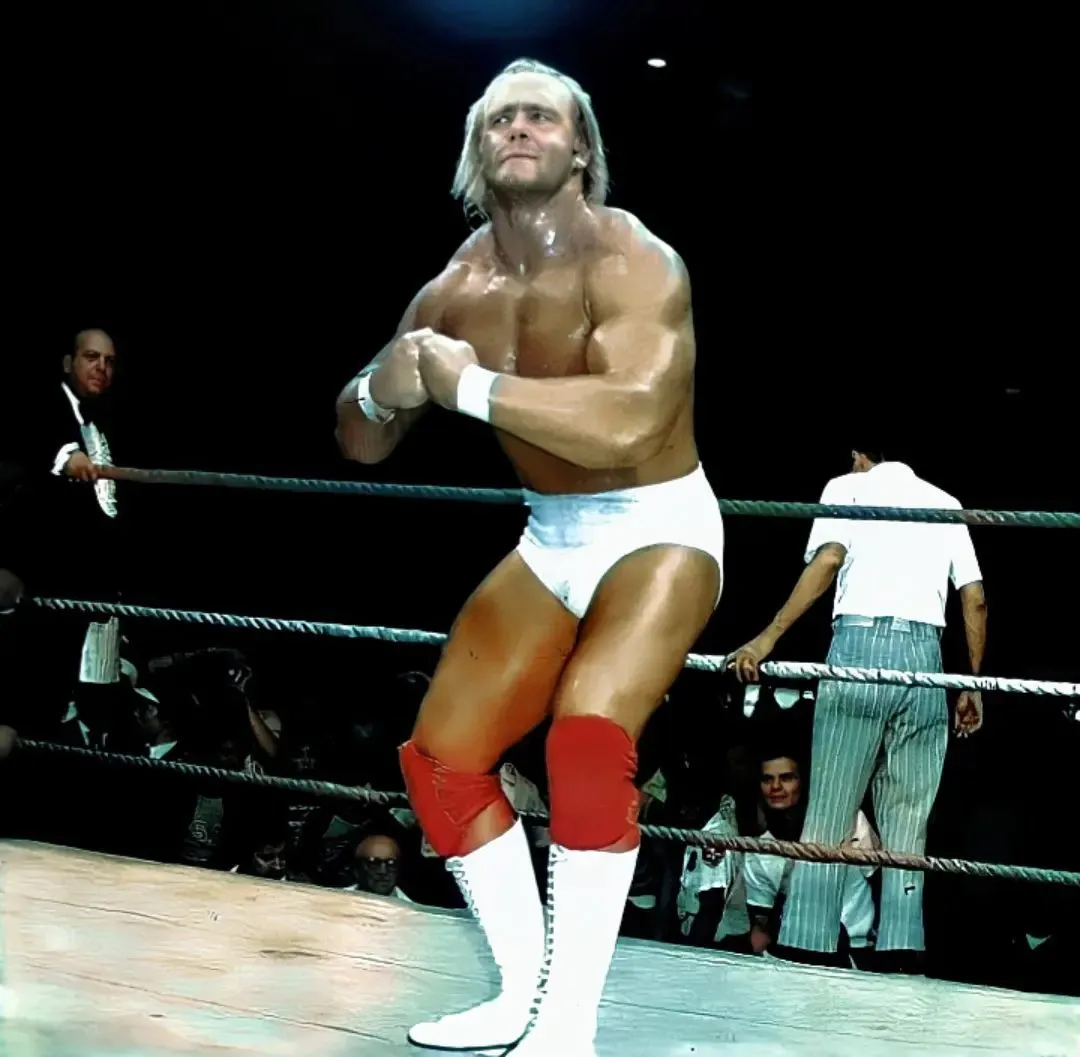
Hulk Hogan—born Terry Gene Bollea—was once the face of professional wrestling in America. His larger-than-life persona captivated millions, transforming the industry into a mainstream spectacle. Yet, as his career flourished, so did the shadows lurking behind the curtain.
Before his death on July 24, 2025, expectations around Hogan had shifted dramatically. Once celebrated for his charisma and athleticism, he became embroiled in controversies that tarnished his image. The decisive moment came when a racial slur surfaced from a leaked transcript of a sex tape, leading to his firing from WWE—a stark contrast to his previous status as a beloved icon.
In the wake of this scandal, Hogan’s life took a tumultuous turn. He faced public backlash and legal battles, notably winning a $31 million lawsuit against Gawker over the unauthorized release of that sex tape. But even this victory was bittersweet; it highlighted the extent of his fall from grace.
Hogan’s health deteriorated in his final months—spending 2.5 months in and out of hospitals before succumbing to a heart attack at age 71. His son Nick participated in a documentary discussing these health complications, while daughter Brooke opted out due to their strained relationship.
Then there was his endorsement of Donald Trump at the 2024 Republican National Convention—a move that further polarized public opinion about him. “He’s my friend,” Hogan stated, revealing an allegiance that many found perplexing given Trump’s own controversies.
Experts have weighed in on Hogan’s complex legacy. His admission to steroid use after years of denial marked yet another chapter in a life filled with contradictions. “Terry Bollea was not the greatest person of all time,” he once reflected—an acknowledgment that perhaps encapsulates the duality of his existence.
His final public appearance at Netflix’s WWE launch event was emblematic—an attempt to reclaim some semblance of glory amid ongoing scrutiny. The documentary ‘Hulk Hogan: Real American’ sought to portray him in a more favorable light, yet it inevitably opened old wounds.
The wrestling world will remember him as both an innovator and a cautionary tale—a man who helped elevate an entire genre but also fell prey to its darker elements. As fans grapple with his legacy, one question lingers: Can we separate the man from the myth?