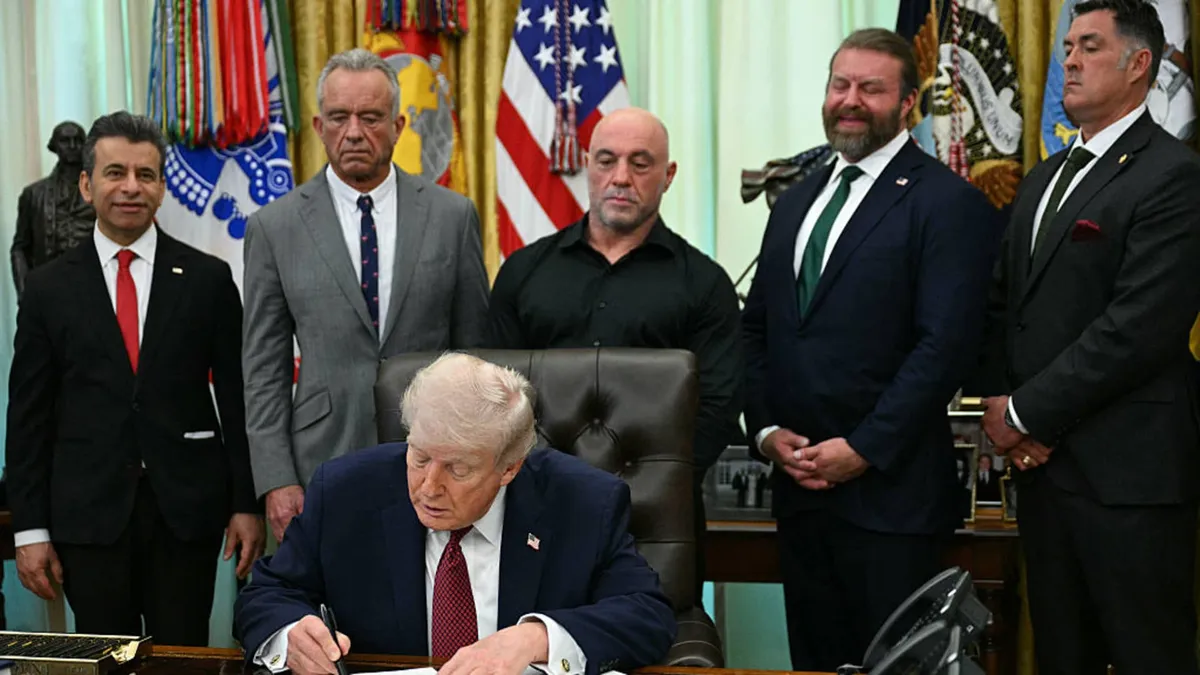
On April 18, 2026, just before noon, the Oval Office buzzed with anticipation. President Donald Trump prepared to sign an executive order that would accelerate reviews of certain psychedelic drugs, including ibogaine. This moment encapsulated years of advocacy from veterans and conservative lawmakers who have long championed the potential of this controversial substance.
Ibogaine is derived from a shrub native to West Africa, historically utilized in spiritual ceremonies by the Bwiti religion. However, its journey into mainstream medicine has been fraught with challenges. Currently classified as a Schedule I drug by federal law, ibogaine is deemed illegal and high-risk—despite its use in some countries for treating opioid withdrawal symptoms. The FDA has yet to approve it, although clinics exist where patients can seek treatment.
Trump’s signing of the executive order represents a pivotal moment. “Today’s order will ensure that people suffering from debilitating symptoms might finally have a chance to reclaim their lives and lead a happier life,” he stated, highlighting the urgency behind this initiative. The order also aligns with efforts to prioritize research into psychedelics, as the FDA plans to issue national priority vouchers for three psychedelics—if they meet national health priorities.
As this policy unfolds, organizations advocating for veterans’ mental health are hopeful. Ibogaine’s potential benefits for conditions such as PTSD and opioid addiction have garnered attention. A recent study indicated that veterans treated with ibogaine showed notable improvements in symptoms related to traumatic brain injury—a finding that could reshape treatment paradigms.
Yet, caution is warranted. Ibogaine has been linked to over 30 deaths due to its ability to cause irregular heart rhythms. Clinics that administer ibogaine typically monitor patients closely and are equipped with emergency medical equipment. The risks are significant—especially considering that the National Institutes of Health had previously halted funding for ibogaine research in the 1990s due to concerns about cardiovascular toxicity.
The state of Texas allocated $50 million last year specifically for ibogaine research, signaling growing support at local levels. Figures like Marcus Luttrell have added their voices to the conversation, stating simply, “You’re going to save a lot of lives through it.” Such endorsements may bolster public interest and acceptance—but they also raise questions about safety and efficacy.
Still, details remain unconfirmed regarding how this executive order will impact existing ibogaine clinics or whether insurance coverage will be extended for these treatments. The path forward is uncertain; the administration’s plans could evolve as stakeholders weigh both medical benefits and ethical considerations surrounding psychedelic substances.
As the landscape shifts around ibogaine, one thing is clear: this moment could redefine how we approach addiction treatment in America. With high-profile supporters like Joe Rogan asserting that ibogaine provides “a review of your life,” the dialogue surrounding its use is gaining momentum—inviting us all to reconsider what healing can look like.