Introduction
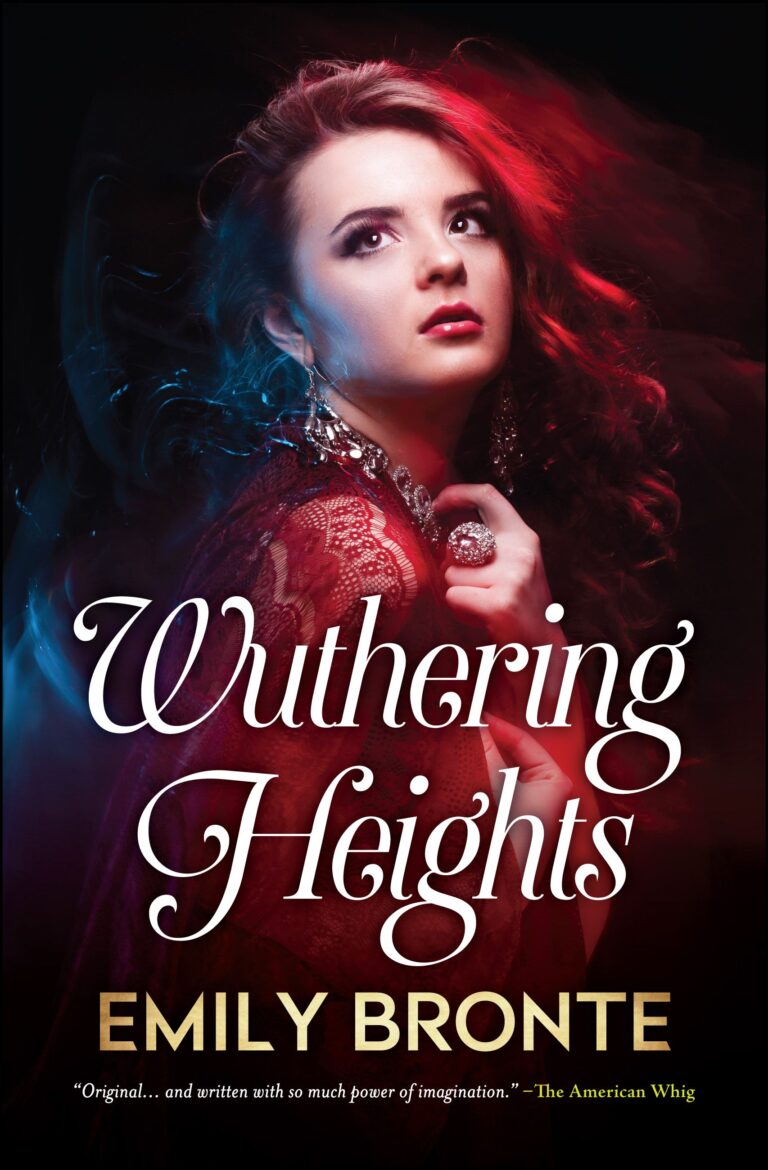
“Wuthering Heights,” written by Emily Brontë and first published in 1847, remains one of the most acclaimed novels in English literature. Its complex characters and intense emotional themes have captivated readers for generations. As a cornerstone of the Gothic genre, the novel explores profound themes such as passion, revenge, and the consequences of isolation, making it a relevant topic for literary discussion today.
Overview of Characters and Plot
The story centres on the turbulent relationship between Heathcliff and Catherine Earnshaw, whose passionate love is marred by social class issues and personal grievances. The novel is narrated mainly by Mr. Lockwood and Nelly Dean, whose perspectives provide a multi-faceted view of the tumultuous events that unfold at Wuthering Heights and its neighbouring estate, Thrushcross Grange.
Heathcliff, a brooding hero, embodies the theme of the outsider, enduring harsh treatment and betrayal that shapes his cruel character. Catherine, on the other hand, oscillates between her love for Heathcliff and her desire for social acceptance through marriage to Edgar Linton. The interplay of their love, jealousy, and vengeance leads to a cycle of suffering that affects multiple generations.
Thematic Exploration
Brontë artfully interweaves themes of love and revenge, illustrating how deep affection can transmute into hatred when undermined by societal expectations. The notion of the ‘Byronic hero’ is exemplified in Heathcliff, whose raw emotion and impulsiveness contrast with the more composed, gentlemanly figure of Edgar. In addition, the nightmarish environment of the Yorkshire moors serves as a powerful backdrop that reflects the tumult of the characters’ internal struggles.
Literary Significance
The disjointed narrative structure of “Wuthering Heights” and its use of unreliable narrators contribute to its complexity, challenging readers to piece together the truth. The novel was initially met with mixed reviews, often critiqued for its stark portrayal of human nature, but it is now celebrated for its avant-garde approach to storytelling and character development.
Conclusion
In conclusion, “Wuthering Heights” is not only a tale of tragic romance but also a profound examination of the human psyche. Its compelling narrative and complex characters provide plenty of material for analysis and interpretation, ensuring its place in the study of literature. As contemporary readers explore its themes, the novel continues to inspire discussions about love, class disparity, and the impact of environment on the human condition, marking its lasting significance in literary circles.