Introduction
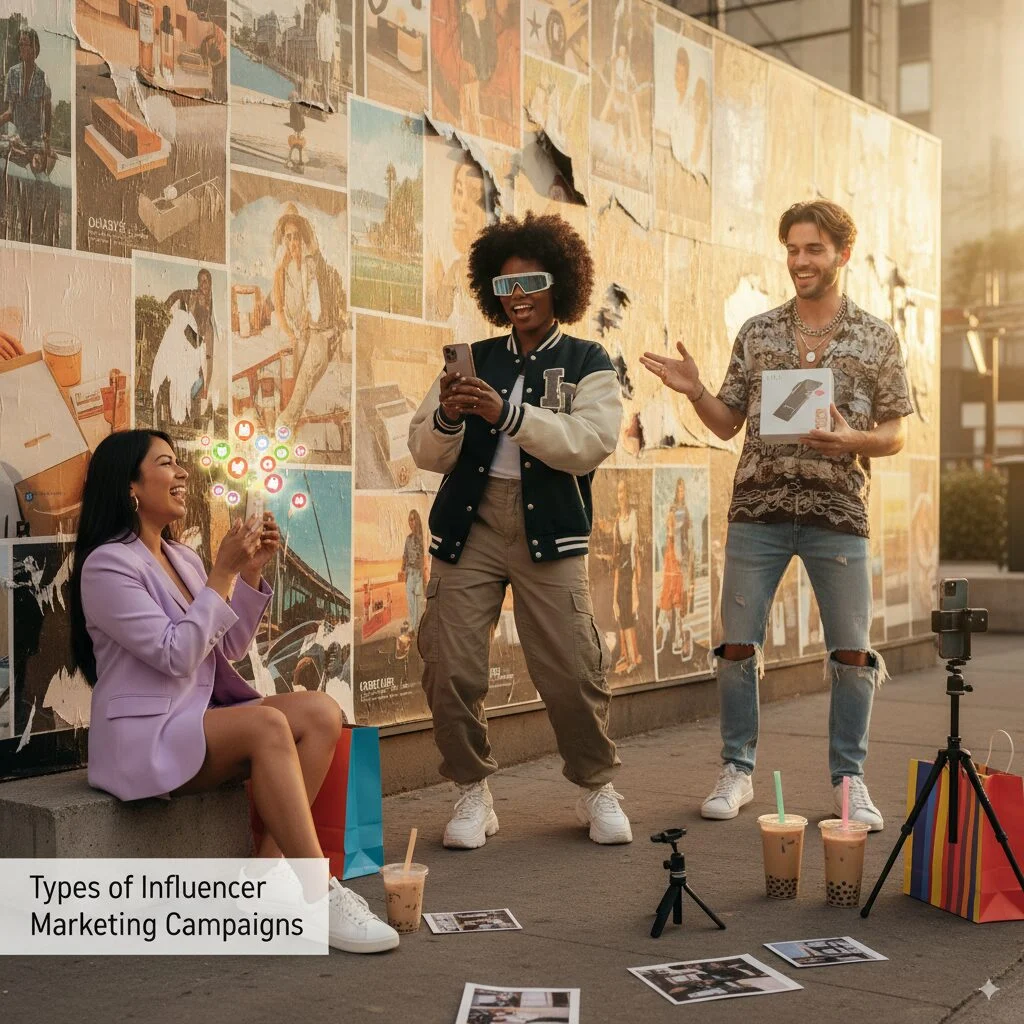
Influencer marketing has emerged as a crucial component of modern marketing strategies, transforming how brands connect with consumers. As social media platforms continue to grow, the relevance of influencers in shaping public perception and purchasing decisions has never been more pronounced. In 2023, this trend shows no signs of slowing down, with businesses increasingly relying on influencers to amplify their brand messages, reach targeted audiences, and build authenticity.
The Current State of Influencer Marketing
According to recent statistics from Influencer Marketing Hub, the global influencer marketing industry is projected to reach approximately £16.4 billion by the end of this year. Brands are investing heavily in partnerships with influencers, recognising their ability to engage potential customers through relatable content. Platforms like Instagram, TikTok, and YouTube remain at the forefront, providing fertile ground for influencers who have cultivated loyal followings. In fact, a recent survey indicated that 63% of marketers plan to increase their influencer marketing budgets in the coming year.
Key Developments in 2023
This year has witnessed several key developments in influencer marketing. The rise of micro and nano influencers—those with smaller but highly engaged followings—has gained momentum. Brands are realising that these influencers often yield higher engagement rates and foster a sense of community. Additionally, live-streaming and short video formats have become increasingly popular, leading to innovative content strategies that keep audiences engaged.
Moreover, the trend towards authenticity continues as consumers gravitate towards influencers who represent real-life experiences. Brands that prioritise genuine partnerships and transparent collaboration can create more effective campaigns, resulting in improved ROI. Furthermore, the integration of AI-driven tools to measure the effectiveness of influencer campaigns has made it easier for brands to analyse key performance indicators and adjust strategies accordingly.
Conclusion
As we progress through 2023, influencer marketing remains a dynamic and evolving field, essential for brands seeking to establish a robust digital presence. The ability to connect authentically with target audiences through influencers is paramount. Brands that adapt to emerging trends, invest in meaningful partnerships, and embrace innovations in content creation will thrive in this landscape. The significance of influencer marketing will only continue to grow, shaping not only consumer behaviour but also the future of advertising itself.