Introduction
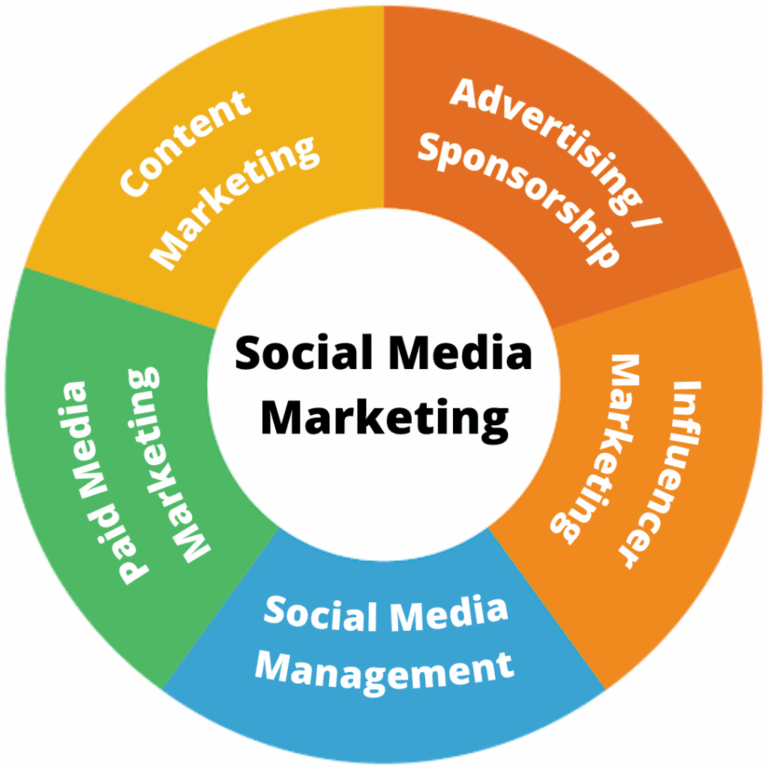
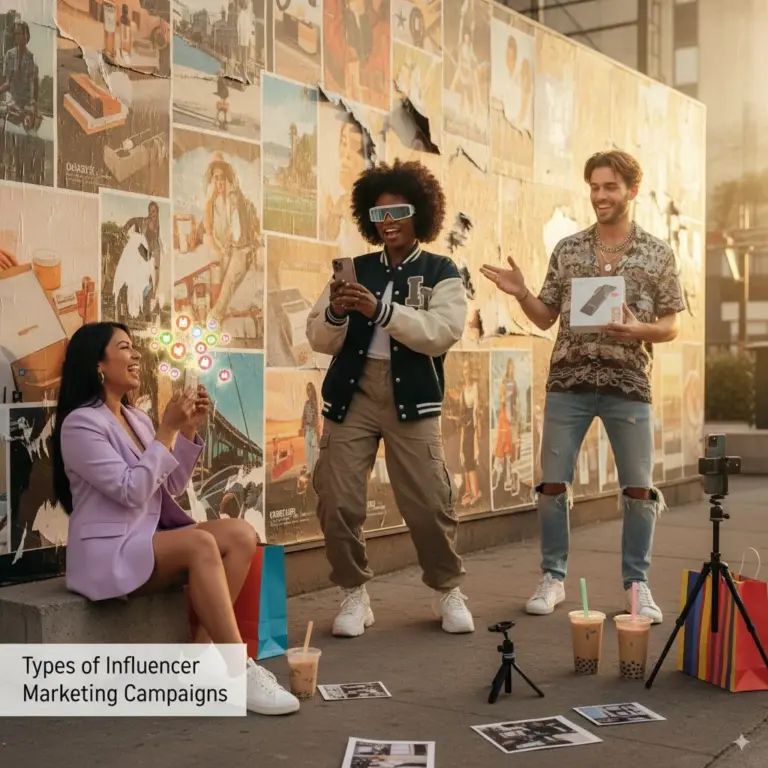
Influencer marketing has emerged as a critical component of modern advertising strategies, reshaping how brands connect with consumers. In 2023, its significance continues to grow as businesses seek to harness the power of social media influencers to enhance brand visibility, credibility, and ultimately, sales. With the potential of reaching highly targeted audiences, brands are strategically investing in influencer partnerships, making this topic increasingly relevant in the current marketing landscape.
Current Trends in Influencer Marketing
Recent studies reveal that 79% of marketers find influencer marketing effective, and the industry is projected to be worth approximately $16.4 billion in 2023. Several key trends are driving this growth:
- Micro and Nano Influencers: Brands are prioritising collaborations with micro (1,000-100,000 followers) and nano (less than 1,000 followers) influencers due to their higher engagement rates and perceived authenticity. Consumers are more likely to trust these influencers, making them valuable for niche marketing.
- Long-term Partnerships: Instead of one-off campaigns, brands are favouring long-term relationships with influencers. This strategy helps build stronger brand loyalty and creates more genuine content that resonates with audiences.
- Video Content: Platforms like TikTok and Instagram Reels are surging in popularity, prompting brands to adapt their strategies to focus on engaging video content. Live streaming and short videos provide influencers with a dynamic way to showcase products in real-time.
- Sustainability and Ethics: Consumers are increasingly aware of sustainability issues. Brands that align with ethical practices and collaborate with influencers who advocate for social responsibility are gaining consumer trust and preference.
The Impact of Influencer Marketing
The success of influencer campaigns can be measured in various ways, including increased brand awareness, improved sales, and enhanced consumer engagement. For instance, data indicate that consumers are 58% more likely to buy a product after seeing it recommended by an influencer compared to traditional advertising methods. Moreover, influencer marketing is proving essential for brands looking to tap into Generation Z, who value authenticity and connection over traditional celebrity endorsements.
Conclusion
As we progress through 2023, influencer marketing remains a powerful tool for brands seeking to connect with diverse audiences in meaningful ways. The trends of authenticity, sustainability, and multi-platform approaches signal a shift towards more strategic, values-driven marketing practices. Companies willing to invest in the right influencer partnerships can significantly enhance their market presence and build lasting relationships with consumers. Therefore, businesses should continuously adapt their strategies to stay ahead in the competitive landscape of influencer marketing.