What observers say
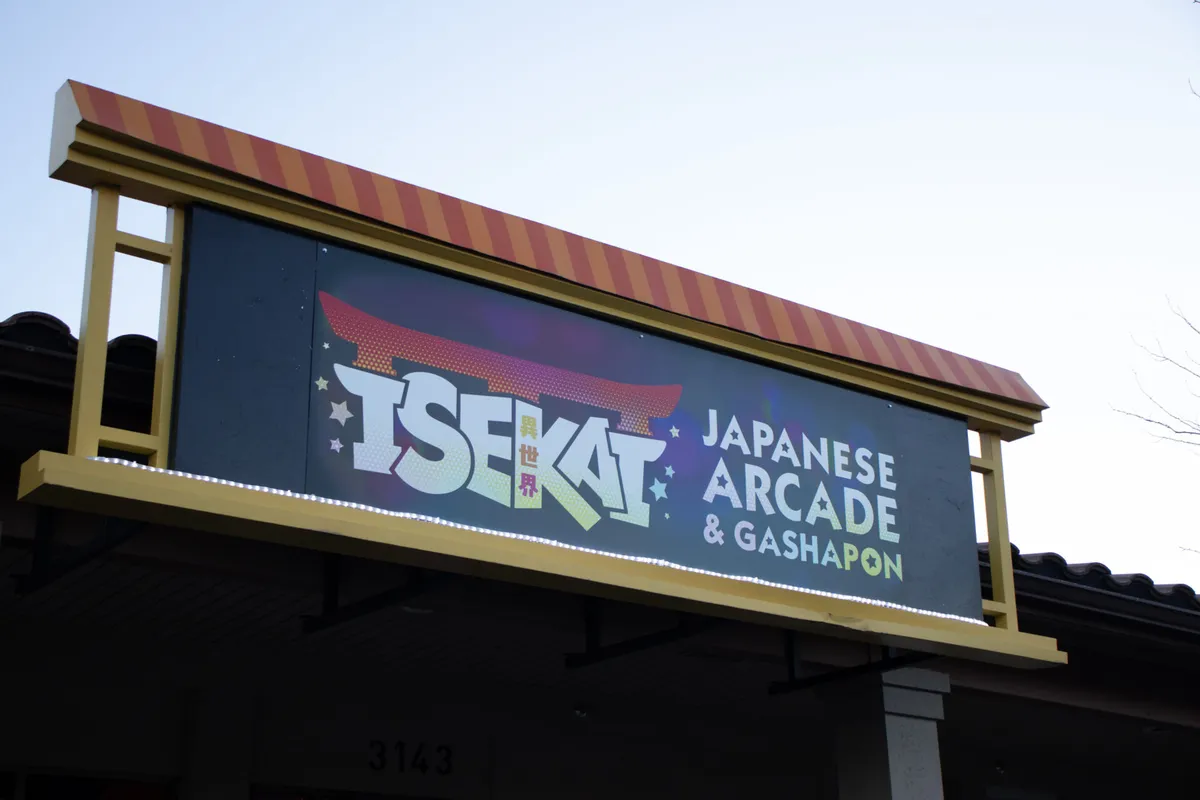
“You take a moment out of the world to remember the core joy of receiving a gift as a child,” reflects Matthew Gillikin, co-founder of Isekai Arcade, which opened its doors in Boise, Idaho, in October 2025. This unique establishment draws inspiration from the gashapon machines ubiquitous in Japan, where small toys or collectibles are dispensed in capsule form, creating a sense of surprise and delight.
The Gillikins, who launched the parent company Chibi POP Toys in 2024, envisioned Isekai Arcade as more than just a business; they aimed to cultivate a vibrant community space that resonates with both the local populace and fans of Japanese culture. “Japan has been doing gashapon for decades — long, long before America decided to jump on it with the blind boxes,” adds Susie Gillikin, emphasizing the cultural significance of these machines.
Isekai Arcade hosts various events, particularly during Japanese holidays, fostering a sense of community among attendees. Demi Erwin, another key figure in the arcade’s development, states, “We try to do things that incorporate not just the Japanese community, but also the local community.” This approach reflects a broader trend in the isekai genre, which often emphasizes themes of community and belonging.
The isekai genre has seen a significant rise in popularity, with several notable anime series capturing audiences worldwide. Among them is “Ascendance of a Bookworm,” which is set to release its fourth season in the upcoming Spring anime season of 2026. However, this season has faced scrutiny over allegations of AI usage in its opening theme, raising questions about the authenticity of creative processes in modern anime production.
Other prominent titles in the isekai realm include “That Time I Got Reincarnated As A Slime” and “Re:ZERO -Starting Life in Another World-“, both of which are also gearing up for their fourth seasons. The diversity within the genre is further exemplified by “The Most Heretical Last Boss Queen: From Villainess to Savior,” which showcases the genre’s flexibility in storytelling and character development.
The Gillikins’ efforts with Isekai Arcade illustrate a growing intersection between anime culture and community engagement. By creating a space where fans can gather, share experiences, and celebrate their interests, they are contributing to a cultural movement that transcends geographical boundaries. Matthew Gillikin encapsulates this vision by stating, “We wanted to create a magical space for people.”
As the anime industry continues to evolve, the role of community spaces like Isekai Arcade will likely become increasingly important. They not only provide a venue for fans to connect but also serve as a bridge between different cultures, fostering understanding and appreciation. The future of Isekai Arcade looks promising as it aims to solidify its place as a cultural hub in Boise, inviting more locals and anime enthusiasts to partake in its offerings.
Details remain unconfirmed regarding the specific events planned for the upcoming seasons of the featured anime series, but the anticipation surrounding these releases is palpable. As the isekai trend continues to flourish, so too does the potential for community-driven initiatives like Isekai Arcade to thrive in the heart of Idaho.