Introduction
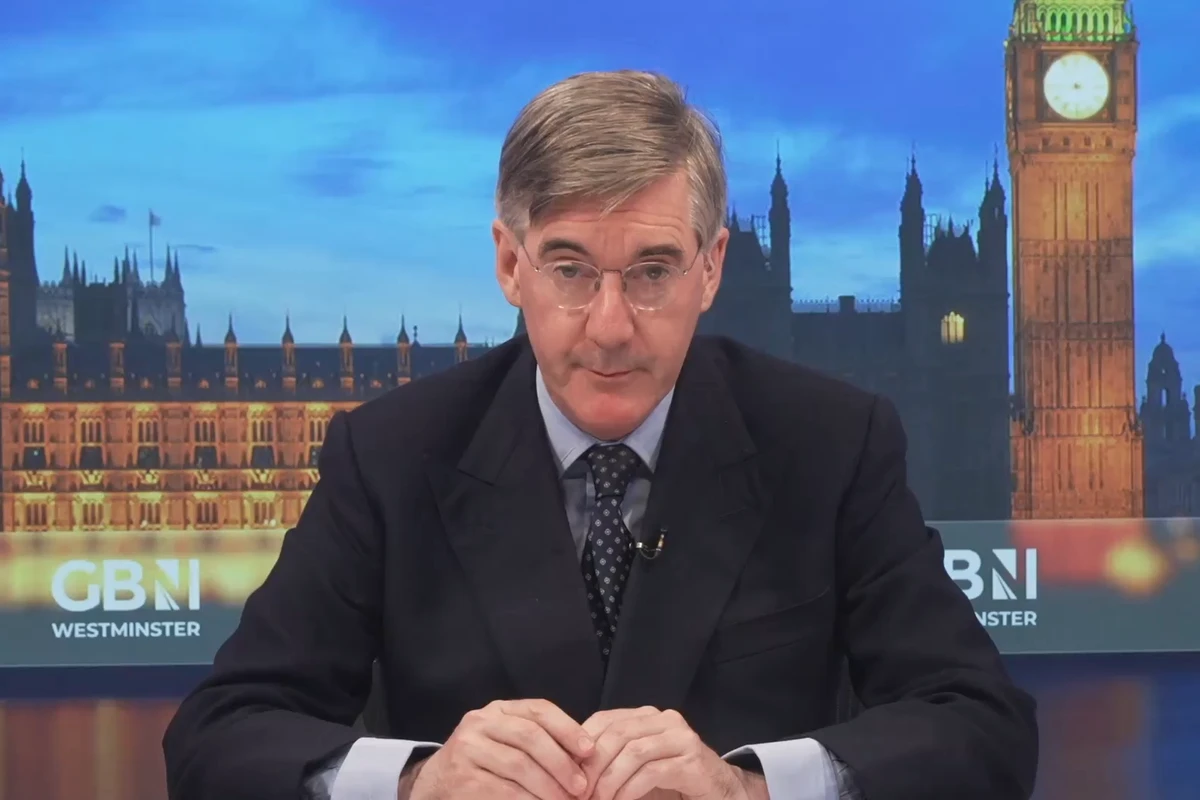
Jacob Rees-Mogg, a prominent figure in British politics, has become synonymous with the Conservative Party’s traditionalist wing. His articulate speeches and strong opinions have shaped significant debates in recent years, especially surrounding Brexit and economic policy. Understanding Rees-Mogg’s influence is crucial for grasping the current political landscape of the United Kingdom, particularly as the nation grapples with economic challenges and party divisions.
Political Career and Key Contributions
Rees-Mogg was elected as the Member of Parliament for North East Somerset in 2010. Since then, he has steadily climbed the political ladder, becoming the Leader of the House of Commons in 2019. His tenure was marked by a focus on parliamentary procedures and an insistence on traditional values. He played a pivotal role in the government’s response to various Brexit-related issues, often advocating for a hardline approach, which resonated with many Conservative Party members advocating for a complete separation from the European Union.
In October 2022, Rees-Mogg was appointed as Minister for Brexit Opportunities, a role that emphasizes his commitment to capitalising on the UK’s post-Brexit prospects. He has consistently stressed the importance of deregulation and enhancing the UK’s global trading relationships, crucial for bolstering the economy in the wake of Brexit. His stance has often drawn both commendation and criticism, illustrating the divide within the Conservative Party and the wider electorate.
Recent Developments and Future Outlook
As of early 2023, Rees-Mogg’s political strategies and rhetoric continue to polarise opinion. He recently advocated for the promotion of traditional Conservative values in various public engagements, aligning himself with an increasing number of voters who feel alienated by contemporary political shifts. Observers note that his charisma and oratory skills give him significant sway within party ranks, potentially positioning him for future leadership ambitions.
Conclusion
Jacob Rees-Mogg remains a defining figure in the Conservative Party, with his beliefs and policy initiatives shaping the discourse around UK governance. As economic pressures persist and the nation seeks to redefine its identity post-Brexit, Rees-Mogg’s role will undoubtedly evolve. For readers concerned about the trajectory of British politics, keeping an eye on Rees-Mogg’s actions and statements will provide insights into the party’s direction and the broader political climate.