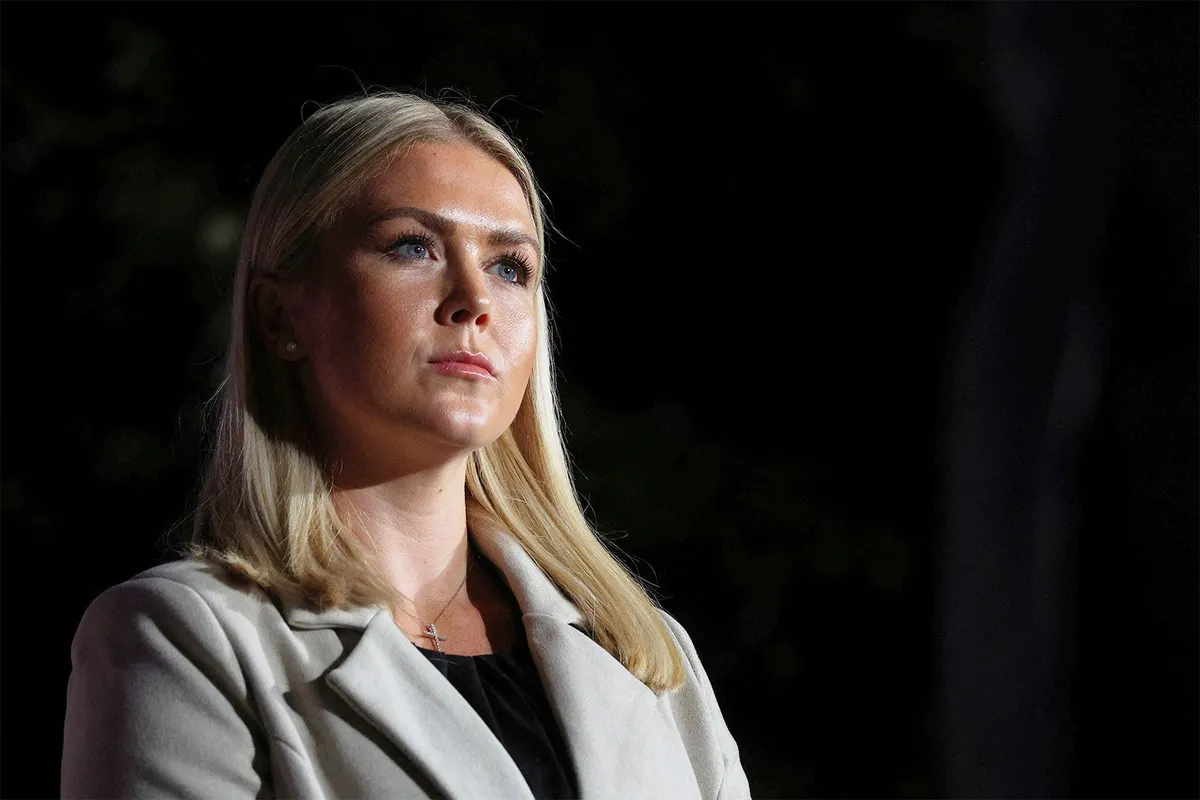
The recent remarks by Karoline Leavitt, the White House press secretary, underscore a pivotal moment in U.S.-Iran relations. Leavitt asserted that U.S. forces are nearing their core objectives against Iran, claiming that military operations have been overwhelmingly successful and that Iranian leadership has been effectively wiped out. This declaration not only highlights the current military strategy but also sets the stage for future diplomatic engagements.
Leavitt emphasized the ongoing productive conversations with Iran, stating, “Talks continue. They are productive, as the president said on Monday, and they continue to be.” However, she notably declined to provide specific details regarding the negotiations, indicating a strategic approach to communication on sensitive matters. This ambiguity raises questions about the nature of these discussions and the potential for a ceasefire.
In a striking warning, Leavitt stated, “If Iran fails to accept the reality of the current moment, if they fail to understand that they have been defeated militarily … Trump will ensure they are hit harder than they have ever been hit before.” This statement reflects the administration’s hardline stance and suggests a willingness to escalate military actions if necessary.
Leavitt’s comments come as she prepares for the arrival of her second child, a girl, in May 2026. At just 28 years old, she has already made history as the youngest-ever White House press secretary, returning to her duties just three days after giving birth to her son in July 2024.
While the White House has not confirmed the full details of the proposed ceasefire plan, which reportedly includes 15 points, the implications of Leavitt’s statements are significant. They signal a dual approach of military readiness coupled with a willingness to engage in dialogue.
As the situation evolves, the effectiveness of these negotiations and the actual state of military operations in Iran remain to be seen. The administration’s strategy appears to hinge on a delicate balance between demonstrating military strength and pursuing diplomatic solutions.
Details remain unconfirmed regarding the specifics of the negotiations and the full scope of U.S. military objectives in the region. As developments unfold, the international community will be closely watching how the U.S. navigates this complex geopolitical landscape.