Reaction from the field
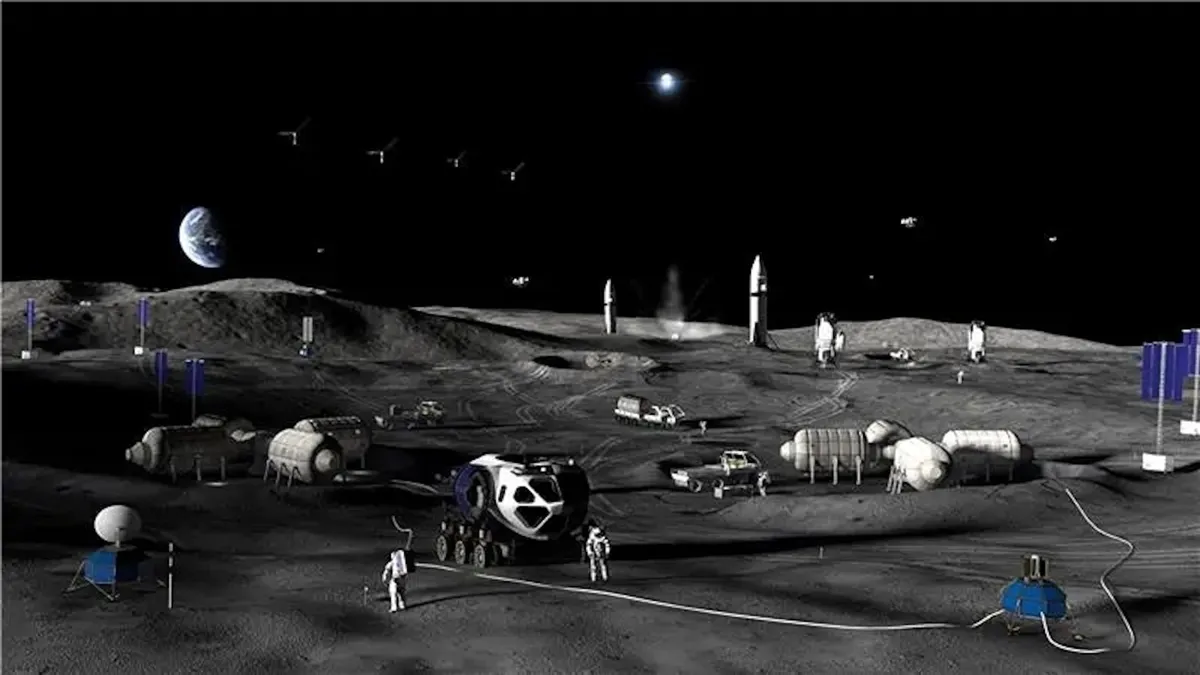
The announcement that NASA plans to invest $20 billion in a permanent moon base has sent ripples through the global space community. This ambitious initiative is not merely a technological endeavor; it represents a strategic move in the ongoing space race, particularly in light of rising competition from nations like China and collaborative efforts from agencies such as the Japan Aerospace Exploration Agency (JAXA) and the Italian Space Agency (ASI). The stakes are high, as the establishment of a lunar base could solidify American leadership in space for decades to come.
The decision to pivot towards a moon base comes after NASA’s reassessment of its priorities, notably moving away from the Gateway space station plan. Instead, the agency is focusing its resources on a three-phase development strategy for the moon base: testing technology, constructing semi-habitable areas, and ultimately establishing a long-term human presence on the lunar surface. This structured approach reflects a deliberate and achievable plan, as articulated by Jared Isaacman, who emphasized the need for collaboration with commercial partners like SpaceX and Blue Origin.
NASA’s Artemis program, which aims to return astronauts to the moon, is a crucial component of this initiative. Following the anticipated launches of Artemis IV and V in 2028, NASA plans to land astronauts on the moon every six months after Artemis V. This frequency of crewed missions is unprecedented and underscores the urgency of establishing a sustainable lunar presence. Isaacman noted, “The moon base will not appear overnight,” highlighting the complexity and scale of the undertaking.
Financially, the $20 billion investment will span over the next seven years, a significant commitment that underscores NASA’s long-term vision. The agency plans to repurpose systems and hardware from the Gateway program, optimizing resources while minimizing waste. This strategic reuse of technology is essential in an era where budget constraints are increasingly prevalent in government-funded space exploration.
The implications of this moon base extend beyond American interests. The international space community is watching closely, as nations like China are also ramping up their lunar ambitions. The competition is palpable, with Isaacman stating, “The clock is running in this great-power competition, and success or failure will be measured in months, not years.” This statement encapsulates the urgency and high stakes involved in the race to establish a foothold on the moon.
As NASA embarks on this monumental project, the agency’s commitment to achieving what many consider the near-impossible is commendable. The goal of returning to the moon before the end of President Trump’s term adds a political dimension to the timeline, with the agency aiming for significant milestones within a constrained timeframe. However, the complexities of space exploration mean that uncertainties remain. Details remain unconfirmed regarding the specific technologies that will be employed and the exact timeline for each phase of development.
In conclusion, NASA’s $20 billion moon base initiative represents a pivotal moment in the history of space exploration. With a clear plan and a commitment to international collaboration, the agency is poised to redefine humanity’s relationship with the moon. As developments unfold, the world will be watching to see how this ambitious project shapes the future of lunar exploration and international space policy.