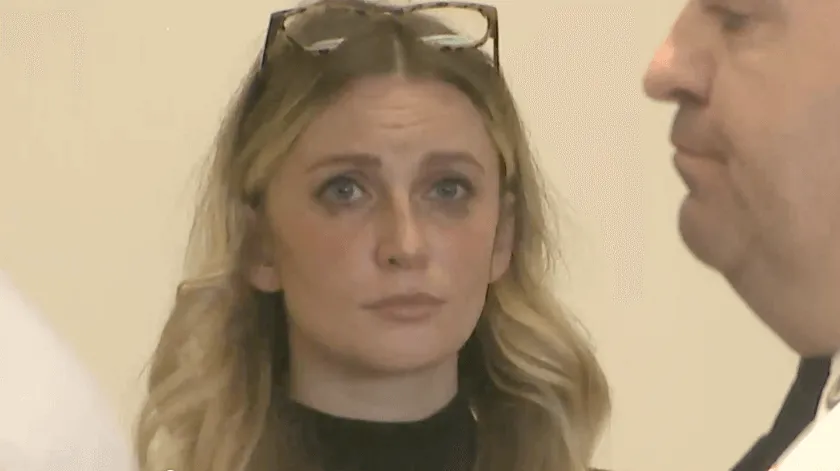
In a significant development, Kelsey Fitzsimmons was acquitted of assault with a dangerous weapon on March 26, 2026, in North Andover, Massachusetts. The trial, presided over by Judge Jeffrey Karp, concluded after deliberations lasting less than two hours, following a complex case stemming from a shooting incident on June 30, 2025.
The prosecution argued that Fitzsimmons had lied about the events of that day, where she was shot by Officer Patrick Noonan. However, Fitzsimmons testified that she pointed the gun at her own head in a suicide attempt, asserting that no one else was involved. This claim was central to her defense, which contended that her actions were not an assault but a cry for help.
Fitzsimmons had spent 103 days in jail following the incident and was under emotional distress after being served a restraining order by her ex-fiancé. The trial was marked by the absence of body camera footage from the police officers involved, which could have provided critical evidence regarding the circumstances of the shooting.
Judge Karp stated, “I am left with a reasonable doubt and I am duty-bound to find that the Commonwealth has not met its burden to prove that Ms. Fitzsimmons committed an assault by means of a dangerous weapon.” This statement underscored the challenges faced by the prosecution in establishing their case against Fitzsimmons.
During the trial, the defense maintained that Fitzsimmons’ actions were misinterpreted, while the prosecution’s lead attorney, James Gubitose, claimed, “She got up on that stand and she lied to you. It’s scientifically and physically impossible for her story to have happened the way that she said.”
Fitzsimmons’ acquittal raises questions about the legal interpretations of mental health crises and the responsibilities of law enforcement in such situations. The case has sparked discussions about the adequacy of police protocols during incidents involving firearms and individuals in distress.
As the community processes the verdict, reactions have varied. Timothy Bradl, Fitzsimmons’ attorney, expressed relief, stating, “This should be over. It should be an acquittal, your honor.” Meanwhile, the prosecution’s disappointment reflects the complexities of proving intent in cases involving mental health issues.
With the trial concluded, the implications of this case may resonate beyond the courtroom, influencing future legal standards and community responses to similar incidents. Details remain unconfirmed regarding any potential appeals or further legal actions following the verdict.