Introduction
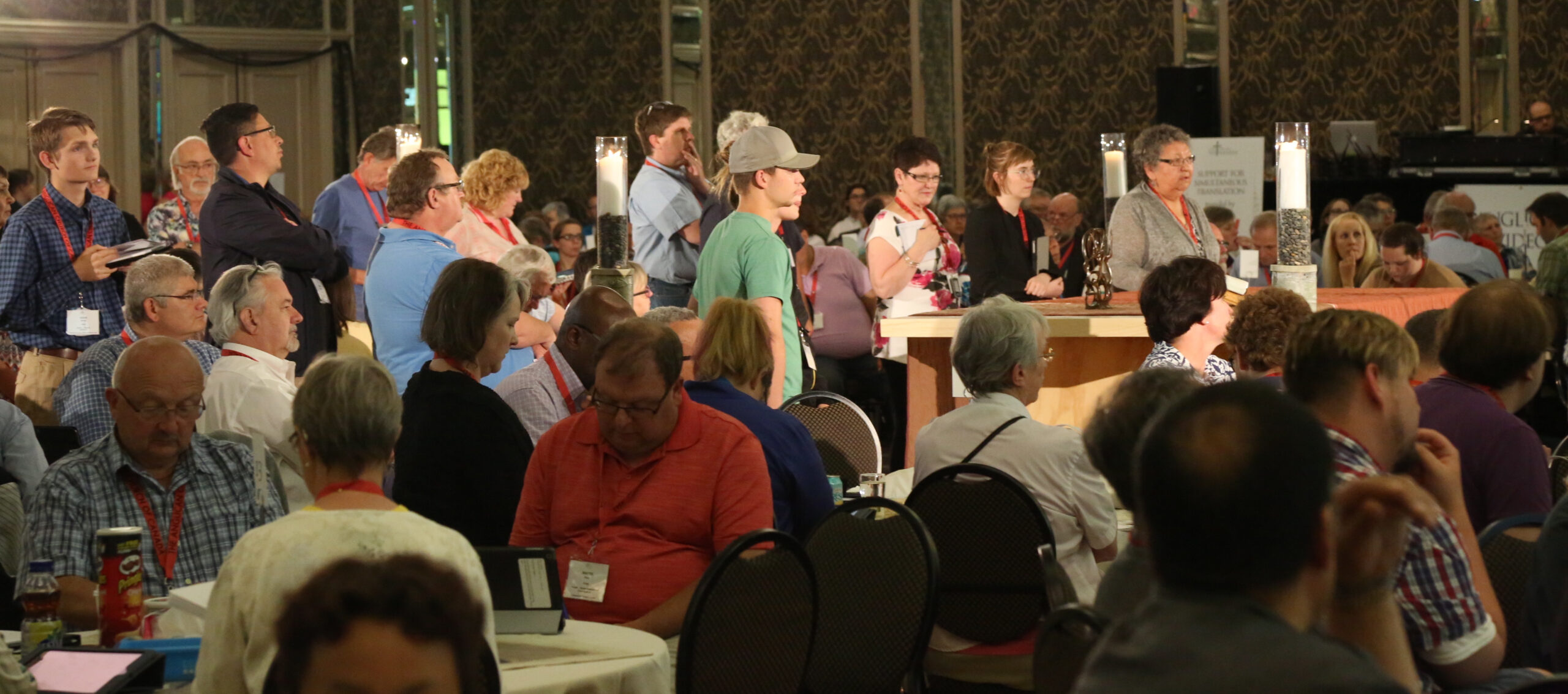
Today, the General Synod convened for its latest session, drawing attention from communities across the country. As a vital institution within the Church of England, its decisions impact not only church governance but also broader societal issues. This meeting comes at a critical time, as the Church continues to navigate complex social challenges and internal discussions regarding its future direction.
Main Discussions and Decisions
The session opened with a heartfelt address from the Archbishop of Canterbury, who underscored the importance of unity and compassion in today’s world. Key topics included the ongoing discussions regarding the Church’s stance on same-sex marriage, which has been a subject of considerable debate. A resolution advocating for a more inclusive approach was put forward, aiming to reflect the changing attitudes within society.
In addition to matters of inclusivity, the Synod also revisited its environmental commitments, following up on previous pledges to achieve net-zero carbon emissions by 2030. Several initiatives were proposed, including increasing the use of renewable energy and enhancing sustainability in church operations.
Another significant aspect of today’s meeting was the focus on mental health support within the church community, with a proposal to develop more resources for clergy and congregations facing mental health challenges. The Synod acknowledged the pressures faced by spiritual leaders and committed to providing a framework of support.
Implications and Future Perspectives
The resolutions passed in today’s Synod not only signal a shift towards a more inclusive church environment but also highlight the Church’s acknowledgment of its social responsibilities. As the community observes these changes, it is anticipated that the Church will engage more deeply with contemporary issues affecting its members.
Looking ahead, the decisions made today may set a precedent for future Synod meetings and influence the Church’s approach to critical societal issues. The impact of these discussions will likely resonate throughout the community, fostering dialogue and engagement amongst church members and the public.
Conclusion
Today’s General Synod meeting was a significant step towards addressing both internal and external challenges faced by the Church of England. With key resolutions aimed at inclusivity, sustainability, and mental health support, the Synod seems poised to take a proactive role in shaping a more relevant and compassionate church in today’s world. As the Church continues to embrace these essential changes, it reflects a growing awareness of its pivotal role in modern society.