Introduction
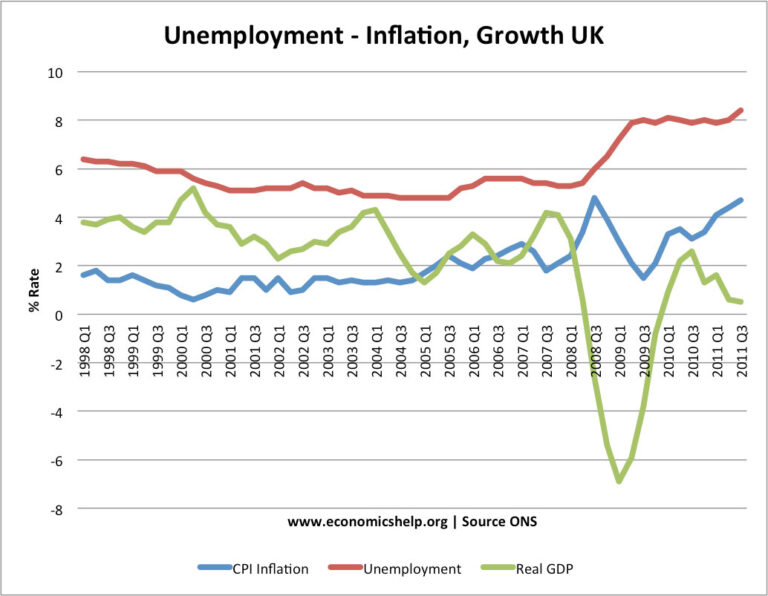
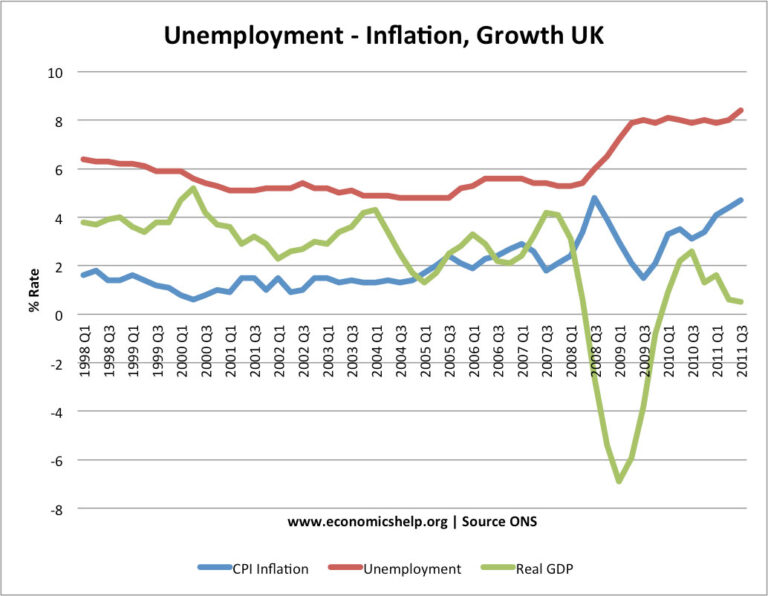
The 2023 UK Budget has garnered significant attention as it lays the groundwork for the country’s economic framework amidst ongoing global challenges. With inflation rates soaring and the cost of living crisis affecting millions, this budget aims to address these pressing issues while promoting growth and stability.
Budget Overview
Chancellor of the Exchequer, Jeremy Hunt, delivered the budget statement on March 15, outlining key measures to support households and businesses. The government plans to allocate £15 billion towards energy support schemes, ensuring that vulnerable groups can cope with rising energy bills, which have seen a steep increase over the past year.
In addition to energy support, the budget also proposes a £5 billion investment in transportation infrastructure, focused on enhancing connectivity between major cities. This includes funding for public transport upgrades and road improvements designed to stimulate economic activity across regions.
Tax Proposals
One of the major highlights of the budget involves proposed changes to tax policies. The Chancellor announced a commitment to freeze fuel duty for another year, aimed at easing the financial burden on motorists amidst the rising costs of living. Furthermore, the government intends to increase the research and development tax credits for small businesses, encouraging innovation during challenging times.
Implications for Various Sectors
The budget impacts several key sectors, including health, education, and housing. An additional £2 billion has been earmarked for the National Health Service (NHS) to tackle waiting lists and improve patient care. The education sector will also see a boost with £1 billion allocated for schools to enhance facilities and resources for students.
Housing initiatives include a new scheme aimed at increasing affordable housing supply, with £3 billion set aside to support local councils in developing housing projects. This move is expected to help alleviate the housing crisis faced by many families across the UK.
Conclusion
The 2023 UK Budget reflects the government’s commitment to navigating economic challenges while supporting growth and development. As inflation and cost of living pressures persist, the measures introduced in this budget are critical for both individuals and businesses. Stakeholders will be closely monitoring the outcomes of these initiatives as the government seeks to balance fiscal responsibility with the urgent needs of the population. Overall, the budget aims to create a resilient economic framework for the UK in the coming years.