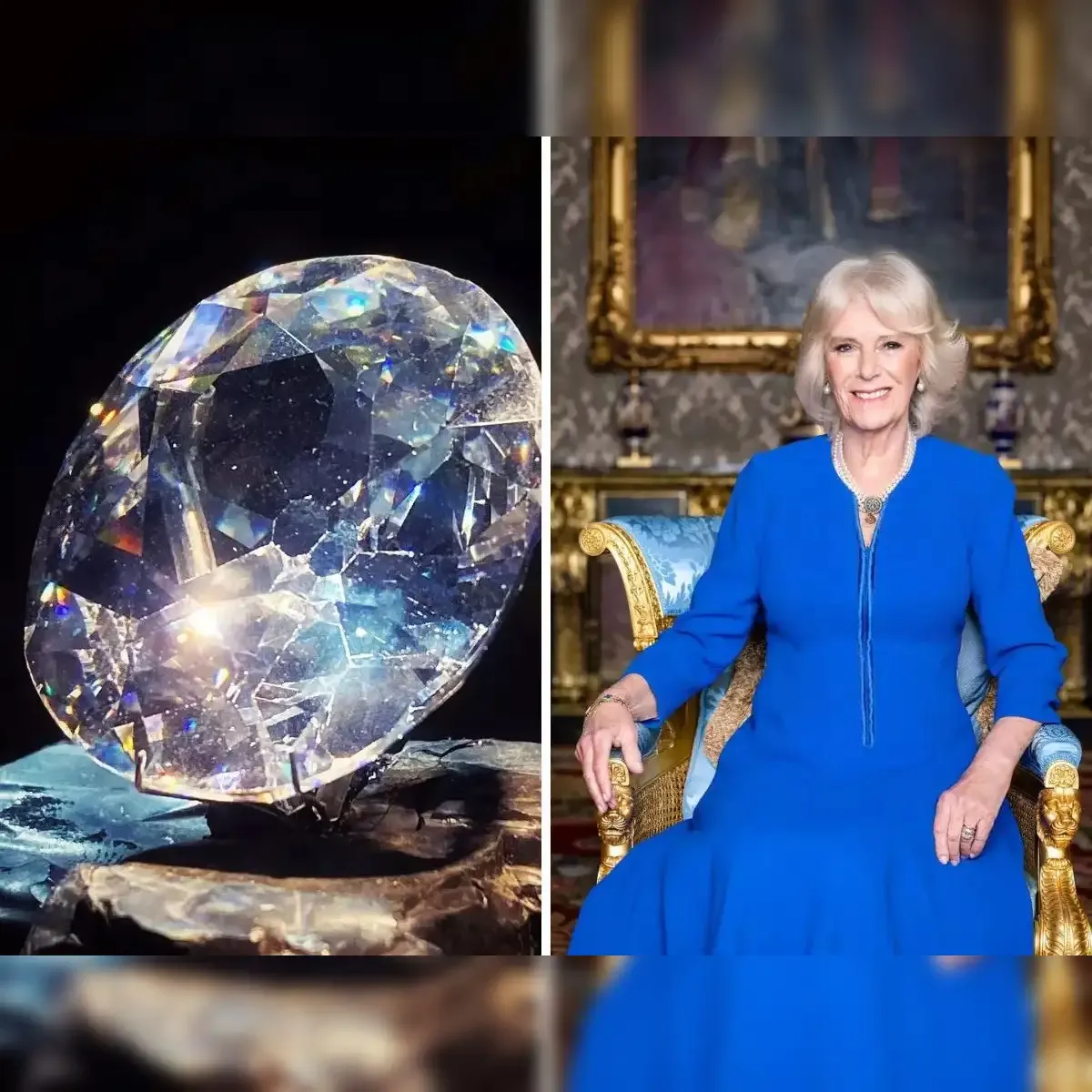
“If I were to speak to the king separately from that, I’d probably encourage him to return the Koh-i-noor diamond,” said Zohran Mamdani, the mayor of New York City, as he prepares for a brief meeting with King Charles III.
The Koh-i-Noor diamond, valued as priceless, was taken from India in 1849 under colonial rule by the British East India Company. It has since become part of the British Crown Jewels, displayed in the Tower of London. India’s government has made several requests for its return since gaining independence in 1947.
This meeting comes at a time when conversations about colonial legacies are gaining momentum. The diamond’s history dates back to at least the 17th century, having been owned by various rulers including India’s Mughal emperors. Queen Victoria received it after the annexation of Punjab and claimed it as a symbol of British power.
The Indian government has emphasized that the Koh-i-Noor is not merely a gem but a significant piece of art with deep roots in their nation’s history. In 2016, they reiterated their demand for its return, yet no progress has been made.
Mamdani’s statement reflects a broader sentiment — one that resonates with many who view such artifacts as symbols of colonial exploitation. The ongoing discussion around these items raises critical questions about ownership and restitution.
As Mamdani prepares for this pivotal moment, it remains unclear how King Charles will respond. Will he acknowledge the historical context surrounding the Koh-i-Noor? Or will it remain an emblem of imperial pride in Britain’s collection?