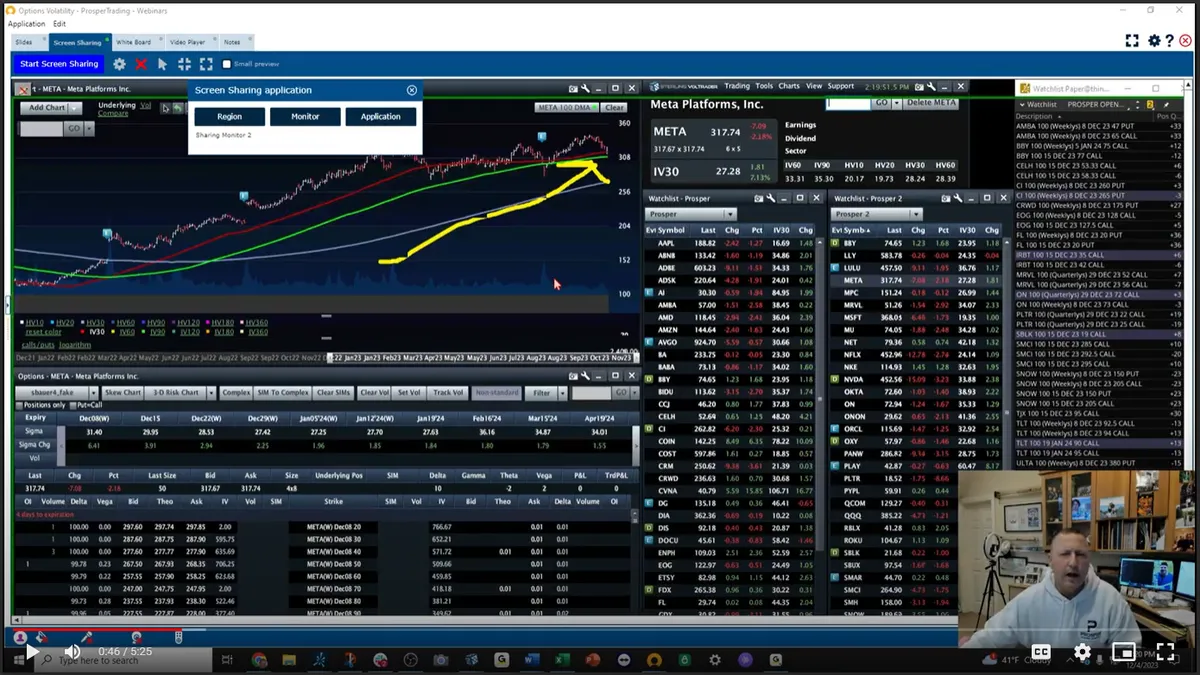
Meta Platforms (META) has seen its stock fall about 6% in after-hours trading following a strong Q1 earnings report. Despite reporting an earnings per share (EPS) of $10.44 on revenue of $56.3 billion, the company’s increased forecast for AI spending has introduced a layer of uncertainty.
A year ago, Meta’s projections for total spending in 2025 were significantly lower, estimating between $113 billion and $118 billion. Now, their forecast for capital expenditures in 2026 ranges between $125 billion and $145 billion — a notable increase that raises eyebrows among investors.
Wall Street analysts had anticipated adjusted earnings of $8.15 per share with revenue of $55.5 billion. However, excluding an $8 billion one-time tax benefit, Meta’s EPS would have been just $7.31. This discrepancy highlights the potential volatility in Meta’s stock performance.
Despite these challenges, Meta reported a 4% increase in daily active users to 3.56 billion as of March, indicating that user engagement remains robust. Analysts are optimistic; all 20 tracked by Visible Alpha rate Meta stock as a ‘buy’, with an average price target of $865.
Oppenheimer analysts noted that while strong revenue growth is likely, the company faces limited profit upside due to increased compute costs associated with its AI models — costs that could offset revenue gains. This sentiment reflects broader concerns about how much capital expenditures will weigh on profitability moving forward.
The decision to cut 8,000 workers, or 10% of its workforce, is part of Meta’s strategy to offset these investments. However, this move raises questions about whether such drastic measures can stabilize the company’s financial outlook amidst increasing operational costs.
The stock has been known for its volatility; it has moved more than 10% following earnings reports in three of the last four quarters. As observers look ahead, they wonder how this latest development will impact Meta’s trajectory in the coming months.