Introduction
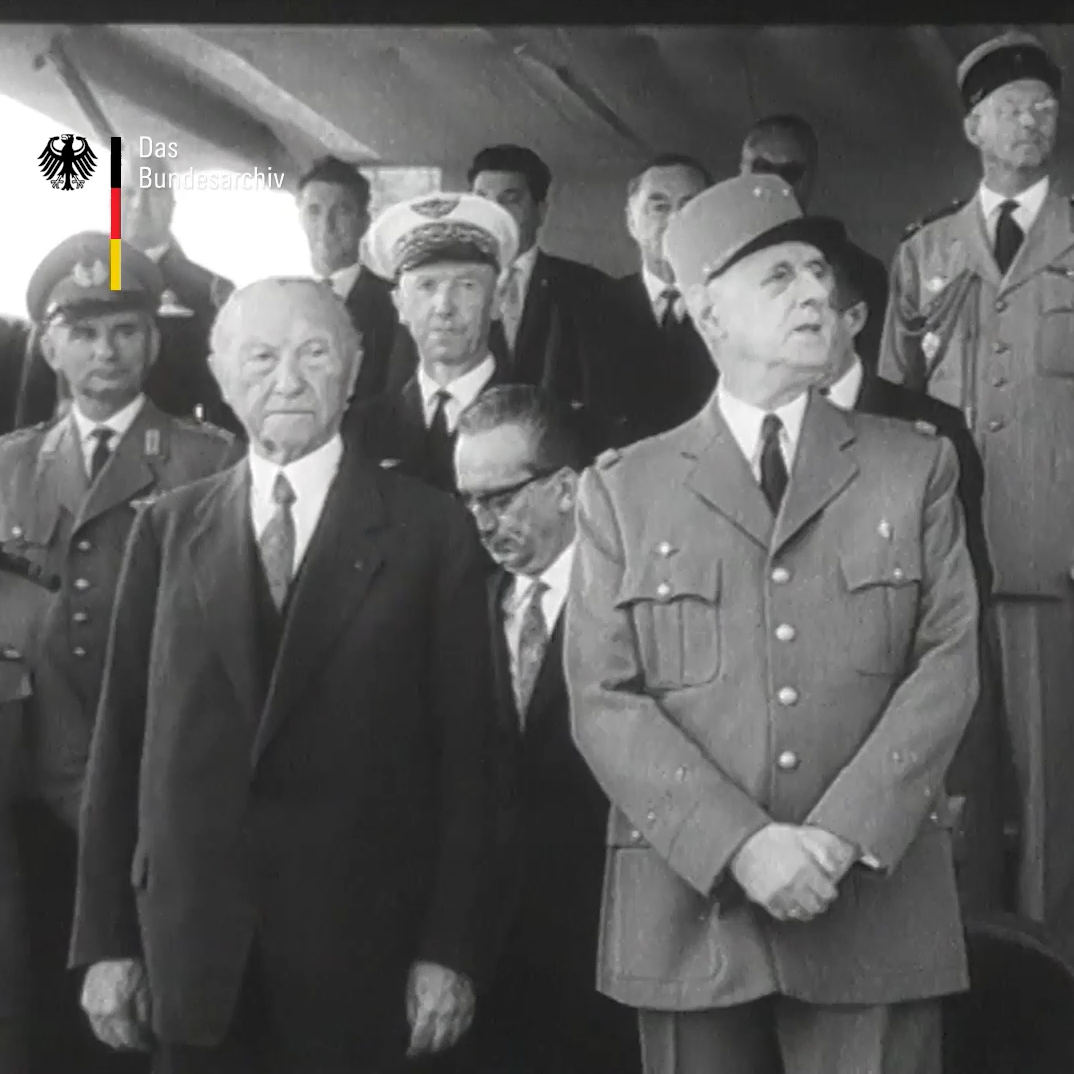
Konrad Adenauer, the first Chancellor of the Federal Republic of Germany from 1949 to 1963, played a monumental role in shaping modern Germany and European integration. His leadership during the post-war era was pivotal in rebuilding the nation while fostering economic recovery and international collaboration. Understanding Adenauer’s impact is crucial to comprehending Germany’s current political landscape and its role in the European Union.
Adenauer’s Early Life and Political Rise
Born on January 5, 1876, in Cologne, Adenauer was politically active from an early age, beginning his career as a member of the Centre Party. His political trajectory saw him serve as the Mayor of Cologne during the Weimar Republic. Adenauer’s pragmatic approach to governance and his ability to navigate the turbulent politics of the time would later serve him well as he led Germany through reconstruction.
The Chancellor Years
Following World War II, Adenauer became the first Chancellor of West Germany, guiding the country as it transitioned from a war-torn state to a bastion of democracy and market economy. Under his leadership, the “economic miracle” (Wirtschaftswunder) occurred, fostering rapid industrial growth and improving living standards. Adenauer’s policies embraced European integration, leading to West Germany’s strong ties with France and the establishment of the European Economic Community (EEC) in 1957, a cornerstone for today’s European Union.
Foreign Policy and NATO
Adenauer was instrumental in redefining Germany’s foreign policy. He aligned West Germany with the West during the Cold War, contributing to the establishment of NATO in 1949 and promoting Western European unity. His diplomatic efforts also included reconciliation with France, which was crucial in fostering a stable Europe post-1945. The Franco-German relationship is often credited as a key element in maintaining peace in Europe.
Legacy and Conclusion
Konrad Adenauer passed away on April 19, 1967, but his legacy endures. His vision of a united and democratic Germany remains relevant as Europe confronts contemporary challenges, such as economic disparities and political fragmentation. Adenauer’s policies laid the groundwork for the EU and established Germany as a key player in international affairs. As Europe continues to evolve, analyzing Adenauer’s statesmanship provides valuable insights into unity and cooperation’s critical importance.