Introduction
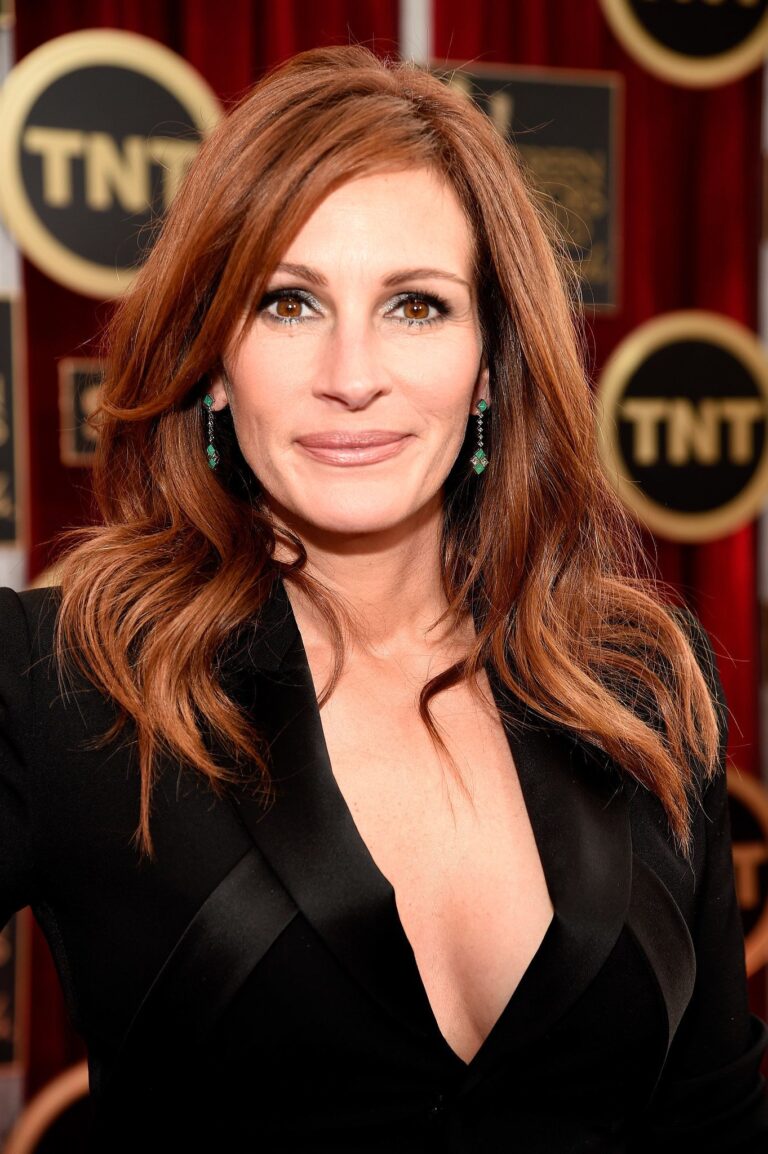
Uma Thurman, an illustrious name in Hollywood, has captivated audiences worldwide with her compelling performances and unique presence. Her cinematic journey spans over three decades, showcasing a versatility that has earned her critical acclaim and a dedicated fan base. As a testament to her enduring influence, Thurman’s contributions to film and pop culture remain significant in contemporary discussions about representation and artistic expression in cinema.
The Rise of Uma Thurman
Born on April 29, 1970, in Boston, Massachusetts, Uma Karuna Thurman began her acting career at a young age. She gained early recognition through films like “Dangerous Liaisons” (1988) and “Pulp Fiction” (1994), where she captivated audiences with her portrayal of Mia Wallace. Directed by Quentin Tarantino, this role not only showcased her talent but also solidified her status as a cultural icon of the 1990s.
Key Contributions
Thurman’s filmography is marked by remarkable diversity, from action-packed performances in “Kill Bill” (2003) to poignant roles in dramas such as “The Truth About Cats & Dogs” (1996). Her collaboration with Tarantino on the “Kill Bill” series garnered her significant praise and revitalised the representation of female characters in action films, solidifying her status as a trailblazer for women in cinema.
Moreover, her recent forays into television, including a leading role in the series “The Slap” (2015), demonstrate her adaptability and desire to explore complex narratives. As an actress, producer, and activist, she continues to be a prominent voice advocating for mental health awareness and women’s rights.
Recent Developments
In 2023, Thurman made headlines when she attended various film festivals, including the Cannes Film Festival, where she received accolades for her past works while promoting new projects. This renewed interest in her work has led to discussions about her next ventures, with rumors hinting at potential collaborations with other major filmmakers.
Conclusion
Uma Thurman’s influence extends beyond her impressive body of work; she has become a symbol of creativity and empowerment in the film industry. As Hollywood continues to evolve, her legacy offers valuable lessons on resilience and the importance of diverse representations on screen. Looking ahead, audiences can expect to see more innovative projects from Thurman, ensuring her enduring impact on cinema remains a topic of interest for years to come.