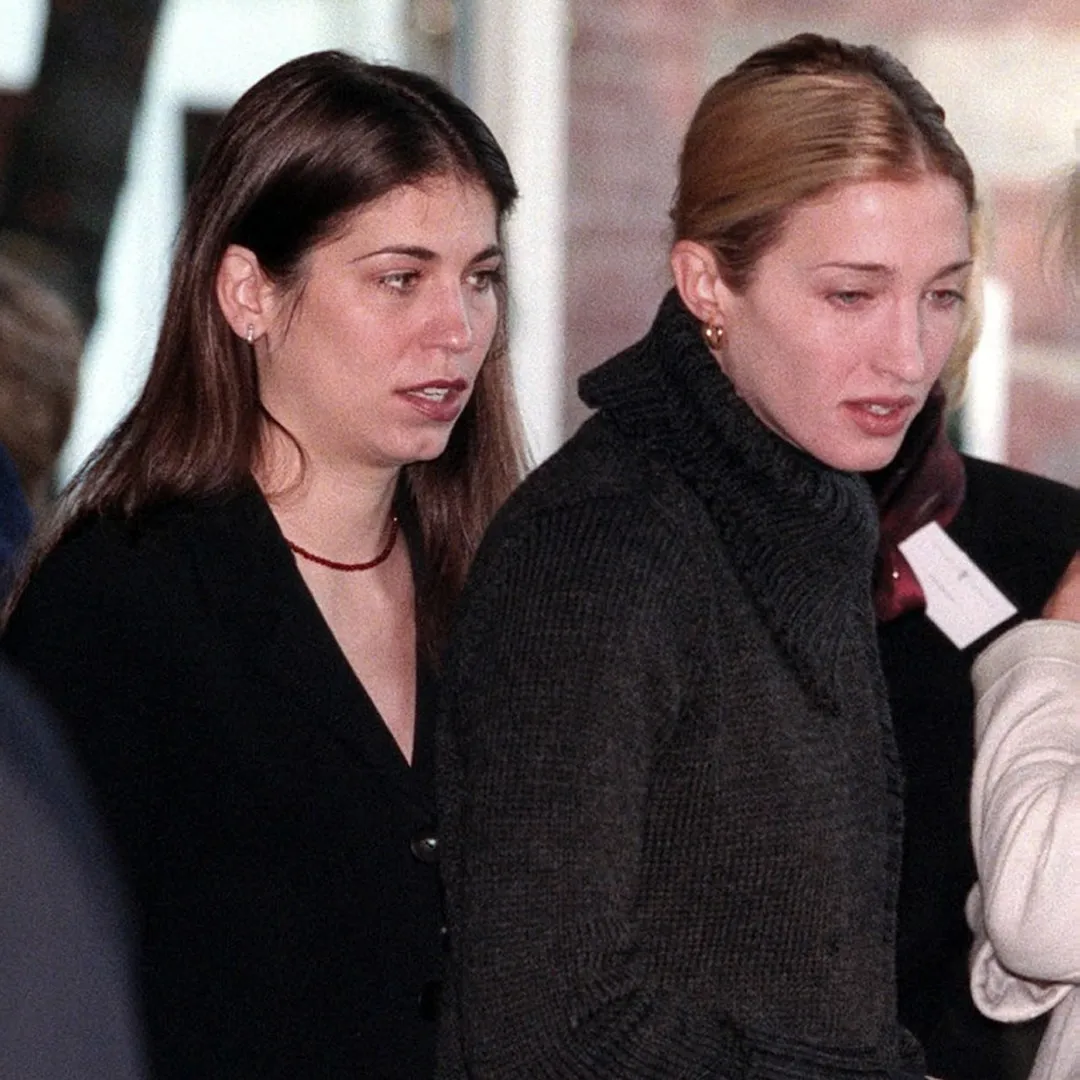
Who is involved
Before the fateful night of July 16, 1999, Lauren Bessette was known primarily as the older sister of Carolyn Bessette, who was married to John F. Kennedy Jr., the son of the late President John F. Kennedy. Lauren, 34 at the time, was a successful businesswoman with a promising future ahead of her. The Bessette sisters had garnered attention not only for their familial ties but also for their poised presence in the public eye. The expectation was that they would continue to thrive, both personally and professionally, as they navigated their lives in the shadow of one of America’s most iconic families.
However, that expectation was shattered when the small plane piloted by John F. Kennedy Jr. crashed into the Atlantic Ocean, approximately 7½ miles southwest of Gay Head, Martha’s Vineyard. The flight was intended to drop Lauren off in Martha’s Vineyard before continuing to Hyannis Port. Tragically, all three passengers—Lauren, Carolyn, and John—perished in the crash. The immediate aftermath saw a massive search and rescue operation, which began the morning after the incident, ultimately leading to the recovery of their bodies still strapped in their seat belts.
The direct effects of this tragedy were profound. The loss of Lauren Bessette, along with her sister and John F. Kennedy Jr., sent shockwaves through their families and the nation. The Bessette family was thrust into the spotlight, grappling with the grief of losing two daughters and a beloved figure in American culture. The media frenzy surrounding the crash intensified, focusing on the lives of the deceased and the implications of their untimely deaths. The public’s fascination with the Kennedy legacy only deepened, as the tragic end of these three lives became a poignant chapter in the ongoing narrative of the Kennedy family.
Experts in aviation safety and psychology have weighed in on the implications of such tragedies. According to Richard M. Larrabee, who was involved in the recovery efforts, the wreckage was found “near and under” the fuselage, submerged in approximately 120 feet of water. This detail highlights the challenges faced in the search and recovery process, as well as the inherent risks associated with private aviation. The psychological impact on the families involved is also significant; grief counselors often note that sudden, unexpected losses can lead to complicated mourning processes, particularly when the deceased are public figures.
Moreover, the decision to scatter the ashes of Lauren, Carolyn, and John at sea was made to prevent their final resting places from becoming tourist attractions, a testament to the family’s desire for privacy in the wake of such a public tragedy. This act underscored the profound loss felt by those who knew them and the wish to honor their memory in a respectful manner.
In the years following the crash, Lauren Bessette’s legacy has been overshadowed by the more prominent figures involved. Yet, her life and untimely death serve as a reminder of the fragility of life and the unexpected turns it can take. The public continues to reflect on the impact of her loss, particularly in the context of the enduring fascination with the Kennedy family and the narratives surrounding them.
As we remember Lauren Bessette, it is essential to acknowledge the human stories behind the headlines. Her life, though tragically cut short, was filled with promise and potential. The circumstances of her death invite us to consider not only the risks associated with private flying but also the emotional toll that such tragedies take on families and communities. While details remain unconfirmed, the legacy of Lauren Bessette continues to resonate, reminding us of the lives lost and the love shared among those who knew her.