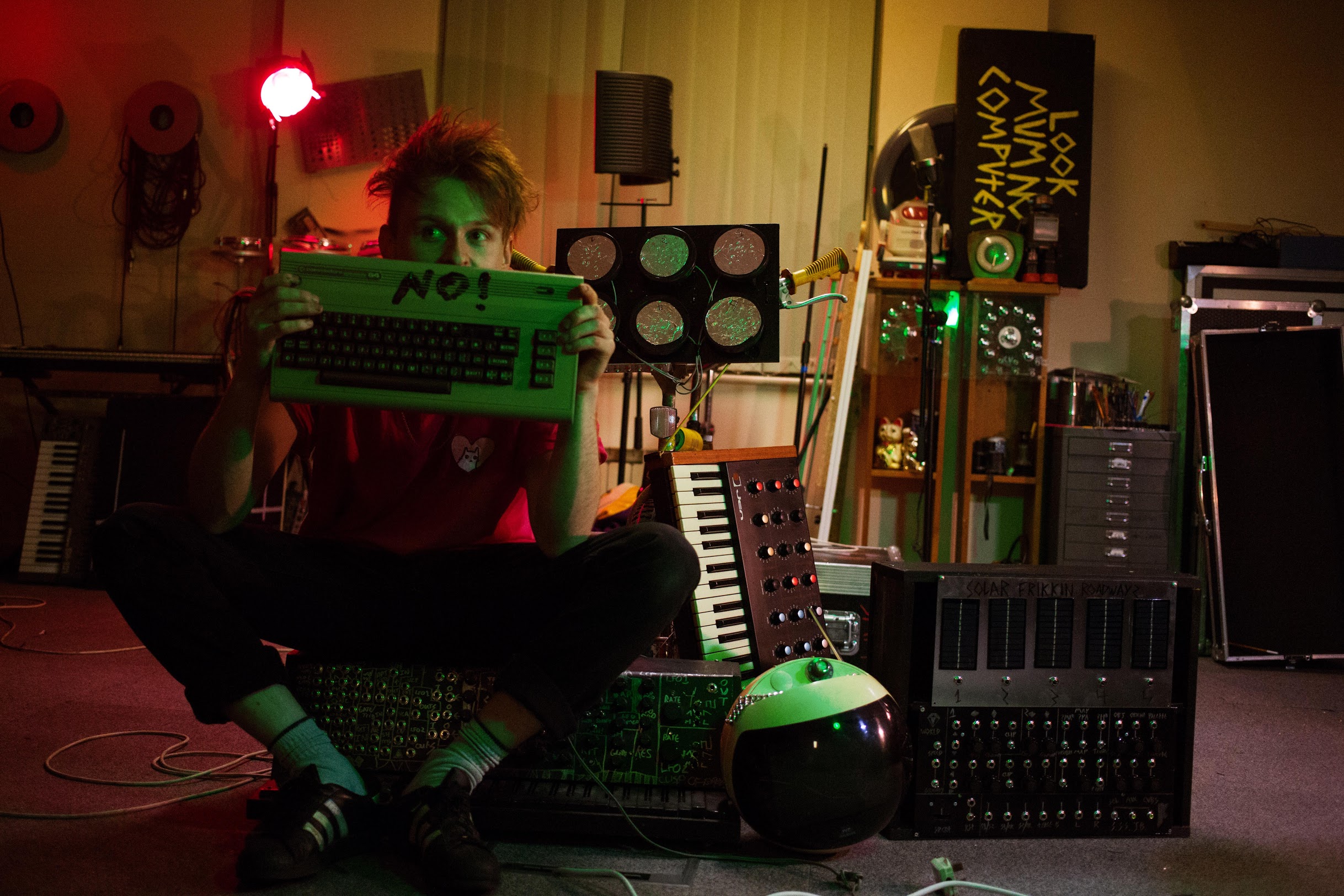
Introduction
The rise of technology and digital culture has led to profound changes in how we interact with electronics. One of the notable movements within this realm is encapsulated by the phrase ‘Look Mum No Computer’. This phrase embodies a growing trend of DIY electronics, where enthusiasts and creators use non-computerized methods to produce music, art, and innovative devices. This movement is significant as it not only cultivates creativity but also promotes sustainability and self-sufficiency in an age dominated by consumer technology.
What is Look Mum No Computer?
Originating from a popular YouTube channel created by Sam Battle, Look Mum No Computer showcases the art of building and manipulating electronic devices without using traditional computers. The channel has gained a significant following for its engaging content, where Sam constructs synthesizers, robots, and unique sound devices that resonate with audiences around the world. Sam’s philosophy challenges the conventional reliance on complex computing technology, advocating for hands-on, inventive approaches that foster deeper understanding and appreciation of electronics.
Relevance in the Modern World
As technology becomes increasingly pervasive, the DIY ethos championed by Look Mum No Computer is especially relevant today. The movement encourages people to think critically about technology’s role in their lives. In recent events, workshops and community initiatives have emerged globally, aimed at teaching people of all ages how to create gadgets, music devices, and even robots from accessible materials. This has promoted not only creativity but also the idea that technology can be personal and tailored rather than solely commercial.
Future Implications
The implications of the Look Mum No Computer movement extend beyond mere DIY projects. As the world increasingly grapples with issues of e-waste and environmental sustainability, adopting a DIY approach offers alternatives to traditional consumer habits. It empowers individuals to repurpose old electronics, build from scratch, or innovate in ways that refuse to contribute to the disposable culture often fostered by major tech companies.
Conclusion
In conclusion, the Look Mum No Computer movement exemplifies a shift towards DIY electronics that prioritises creativity, sustainability, and personal agency in technology. As more people engage with this approach, it is likely to influence broader shifts in consumer culture, with a potential reduction in e-waste and a heightened appreciation for the craft of electronics. As it stands, this movement is a testament to the power of community, creativity, and the limitless boundaries of innovation.