Introduction
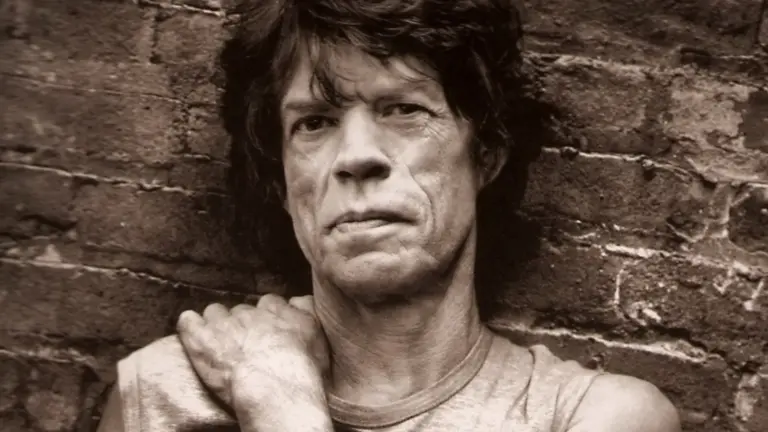
Marcus Mumford, the lead singer and guitarist of the acclaimed band Mumford & Sons, has emerged as a significant figure in the contemporary music scene. His unique blend of folk, rock, and introspective songwriting has not only resonated with audiences worldwide but has also played a critical role in shaping the modern folk revival that began in the late 2000s. As Mumford continues to develop his artistic voice, understanding his evolution as a musician and the themes in his work is paramount for fans and industry followers alike.
Career Beginnings
Born on January 31, 1987, in Yorba Linda, California, Mumford moved to the UK at an early age, where he began to cultivate his musical talents. Initially finding his footing in the London music scene, he formed Mumford & Sons in 2007 alongside Winston Marshall, Ben Lovett, and Ted Dwane. Their debut album, Sigh No More, released in 2009, catapulted them into the public consciousness, earning critical acclaim and commercial success. The record featured hit singles like ‘Little Lion Man’ and ‘The Cave,’ both of which showcased Mumford’s powerful vocals and poignant storytelling.
Recent Developments
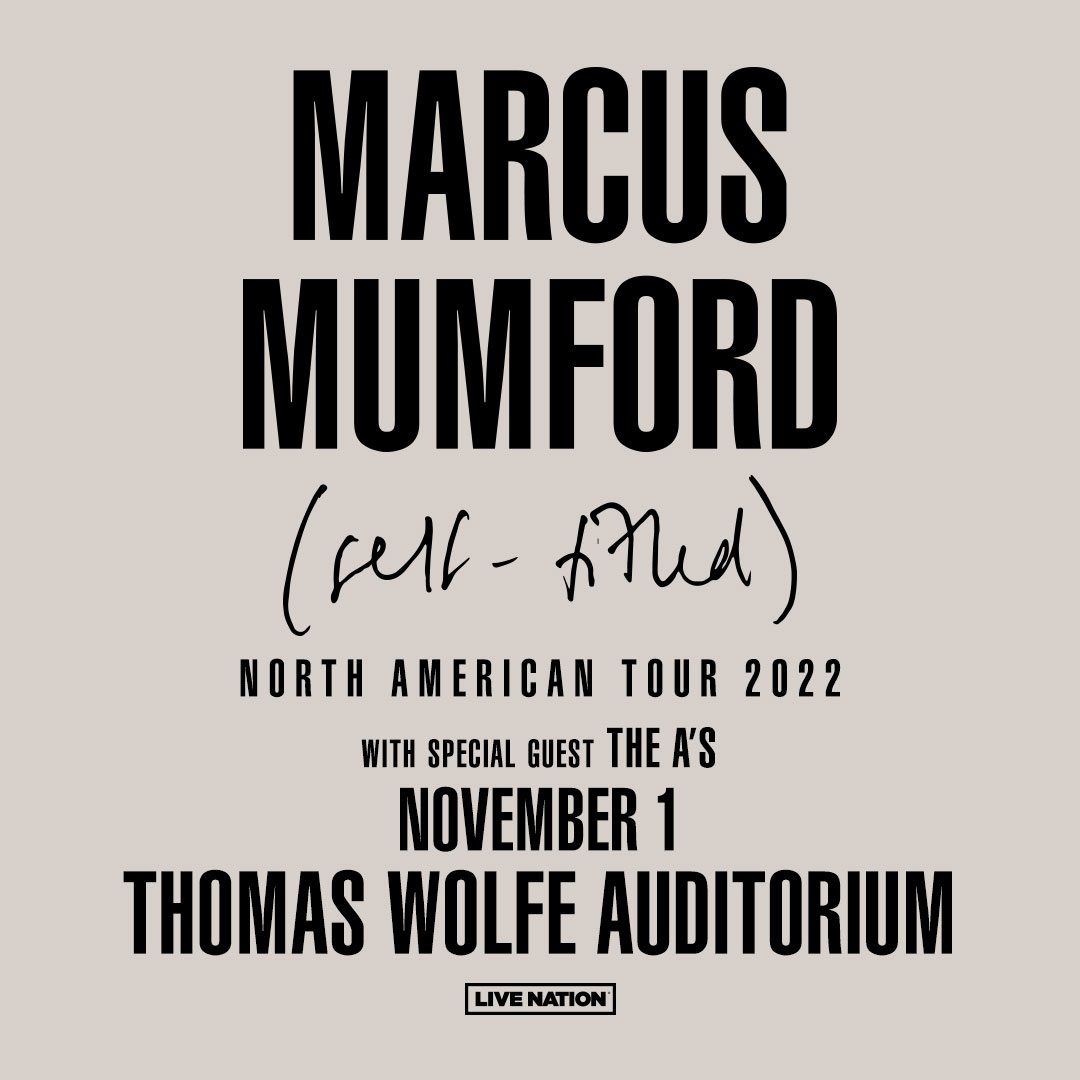
In 2022, Mumford launched his solo career with the release of his debut album, Self-Titled, which has been praised for its emotional depth and lyrical introspection. This new phase of his musical journey allows him to explore personal themes and a more diverse sound, differing from the band’s established style. The singles released from the album, such as ‘Cannibal’ and ‘Grace,’ have gained significant acclaim, highlighting his growth as an artist.
Achievements and Impact
Marcus Mumford has not only received numerous awards, including Grammys and BRIT Awards, but he has also made a mark outside of music. He is an advocate for mental health awareness and frequently speaks about the struggles many face in the industry. His openness regarding mental health issues adds a layer of significance to his music, offering comfort to fans who may grapple with similar challenges.
Conclusion
As Marcus Mumford continues to broaden his musical horizons and personal expression, he remains a pivotal figure in the music industry. Fans can anticipate more innovative work from him, both as a solo artist and with Mumford & Sons. His ability to navigate personal and universal themes allows him to connect deeply with listeners, suggesting that his best work is still ahead. For those looking to understand contemporary music’s evolution, following Mumford’s journey is essential.