Reaction from the field
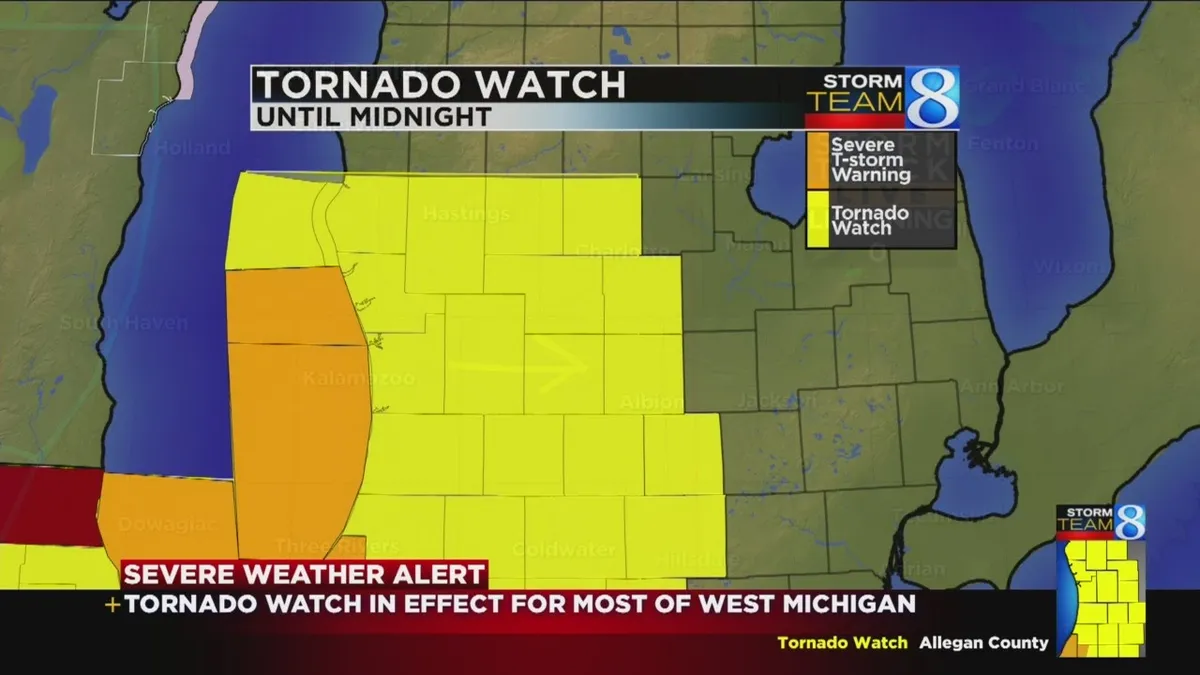
As severe storms swept through Southeast Michigan on April 4, 2026, the National Weather Service issued multiple tornado warnings, highlighting the immediate danger posed to residents in the area. The warnings, which affected cities including Dearborn, Taylor, and Monroe, expired by 7 p.m. the same evening. However, the threat of tornadoes and severe weather loomed large, prompting urgent calls for residents to take shelter.
At 5:48 p.m., a severe thunderstorm capable of producing a tornado was detected over Belleville, moving northeast at a rapid pace of 45 mph. Radar indicated significant rotation within the storm, raising alarms among meteorologists and emergency services. Residents were advised to seek immediate shelter in basements or interior rooms, away from windows, as the primary hazard was identified as a tornado, with potential impacts including dangerous flying debris and structural damage.
Warnings were issued for several communities, including Warren, Sterling Heights, and Troy, with particular emphasis on the need for safety in light of the storm’s intensity. Jacob Ogle, a local resident, described the scene: “I looked out the back slider door and it was, like, such strong winds and rain, you couldn’t even see out. It looked like what you would see in hurricane videos.” His account underscores the severity of the weather conditions faced by many in the region.
In addition to tornado warnings, a flood watch was also in effect for Southeast Michigan due to heavy rainfall, with forecasts predicting between 1-3 inches of rain. Wind gusts were expected to reach up to 60 mph during the severe thunderstorm watch, compounding the risks for residents already on edge from the tornado warnings.
This latest weather event comes as Michigan continues to recover from devastating tornadoes that struck the region on March 6, 2026, resulting in four fatalities and extensive property damage. In that incident, 33 homes were destroyed, while 74 suffered major damage and another 200 experienced minor damage. The scale of the destruction prompted state officials to seek federal assistance, with an estimated $1.4 million needed for recovery efforts.
Governor Gretchen Whitmer emphasized the importance of federal support, stating, “The scale of damage exceeds the state’s ability to respond without federal support.” Her administration is focused on helping affected communities access resources for home repairs, temporary housing, and other recovery needs as they navigate the aftermath of the previous tornadoes.
As the storm system moves through the region, the immediate focus remains on ensuring the safety of residents and minimizing potential damage. Forecasters have warned that conditions could worsen, and the situation remains fluid. Details remain unconfirmed regarding the full extent of the storm’s impact, but the community’s resilience is being tested once again.