The wider picture
The incident marks NASA’s first medical evacuation in 65 years of human spaceflight. On January 7, 2026, astronaut Mike Fincke experienced a sudden medical episode while aboard the International Space Station (ISS), prompting an unprecedented evacuation of the Crew-11 mission. This event has raised significant questions about the health and safety of astronauts in prolonged space missions, especially as the ISS has been continuously occupied for 25 years.
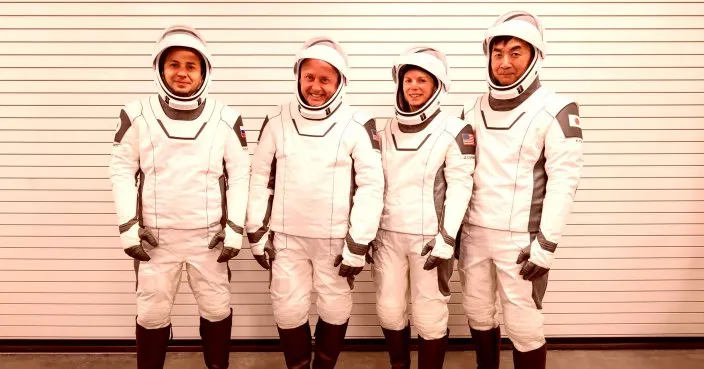
Fincke’s episode was alarming; he suddenly lost the ability to speak for approximately 20 minutes without any accompanying pain or choking. His crewmates, including Zena Cardman, Kimiya Yui, and Oleg Platonov, acted swiftly to contact NASA’s flight surgeons, showcasing the high level of preparedness expected in such critical situations. The planned spacewalk for that day was promptly canceled as the crew focused on addressing Fincke’s medical needs.
The evacuation was executed more than a month ahead of schedule, with Fincke and his crewmates returning to Earth aboard a SpaceX Crew Dragon capsule on January 15, 2026. This rapid response underscores the importance of having robust emergency protocols in place for astronauts living and working in the unique environment of space.
In the aftermath of the incident, doctors have ruled out a heart attack and choking as potential causes of Fincke’s episode. However, the exact cause remains unknown and is still under investigation. NASA is currently reviewing medical records of other astronauts for similar incidents, indicating a proactive approach to understanding the health implications of long-duration spaceflight.
Fincke, who had logged 549 cumulative days in space before this incident, expressed his surprise at the suddenness of the episode. “It was completely out of the blue. It was just amazingly quick,” he remarked. His crewmates also noted that they could see he was in distress, emphasizing the need for vigilance among astronauts in such high-stakes environments.
The implications of this incident extend beyond just the immediate health of the astronauts involved. With NASA investigating whether prolonged exposure to weightlessness may have contributed to Fincke’s medical episode, this event could lead to a reevaluation of astronaut health protocols and the physical demands of living in space.
As the investigation unfolds, observers are keenly interested in how NASA will adapt its protocols to ensure the safety of astronauts on future missions. The agency’s response to this incident could set a precedent for how medical emergencies are handled in space, particularly as human spaceflight continues to evolve with missions planned for Mars and beyond.
In summary, the first medical evacuation in NASA’s history not only highlights the potential health risks faced by astronauts but also serves as a reminder of the importance of preparedness and rapid response in the face of unexpected medical emergencies. Details remain unconfirmed, but the lessons learned from this incident will likely influence the future of human space exploration.