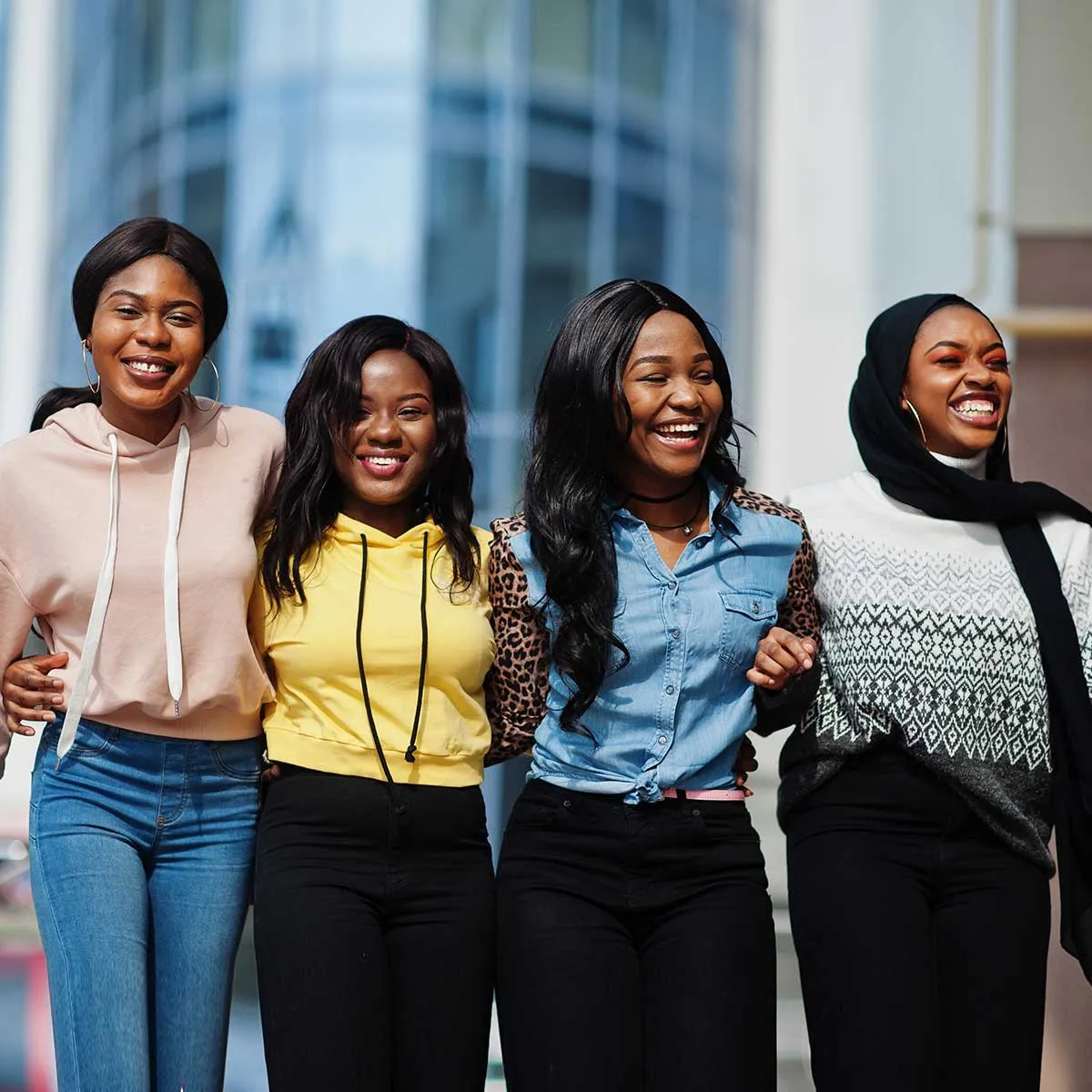
International Women’s Day Background
International Women’s Day, officially recognized by the United Nations since 1977, is celebrated annually on March 8. This day is part of Women’s History Month, which honors the contributions and struggles of women throughout history. The first celebration in the United States took place as ‘National Woman’s Day’ on February 28, 1909, marking the beginning of a global movement advocating for women’s rights.
Global Protests and Marches
In 2026, International Women’s Day was marked by thousands of demonstrators taking to the streets around the world. In Spain, protests erupted against the US-Israeli war on Iran, where activists voiced their concerns over the impact of conflict on women’s rights and safety. Activist Yolanda Diaz stated, “It is within our power to stop the war, to stop the barbarity, and to win rights,” emphasizing the urgency of addressing these issues.
In Paris, Gisele Pelicot led a significant march calling for an end to sexual violence, reflecting a growing global awareness of this critical issue. “We won’t give up,” Pelicot declared, highlighting the determination of activists to continue their fight for justice and equality.
Regional Highlights of Activism
The protests were not limited to Europe. In Brazil, demonstrators rallied against the alleged gang rape of a 17-year-old girl in Rio de Janeiro, showcasing the ongoing struggle against gender-based violence in the region. Meanwhile, in Albuquerque, New Mexico, activists gathered at Zorro Ranch, a site associated with the crimes of Jeffrey Epstein, to demand accountability and justice for survivors of sexual abuse. Rachel O’Leary Carmona remarked on the systemic issues at play, stating, “The years-long cover-up and protection of Jeffrey Epstein’s allies and co-conspirators exposed a culture of impunity that tells survivors their pain is negotiable when powerful men are involved.”
In Pakistan, the situation was more tense as police detained women’s rights activists who attempted to hold a rally, highlighting the challenges faced by women advocating for their rights in various parts of the world. In contrast, North Korean women celebrated the day with traditional dances in Pyongyang, illustrating the diverse ways in which International Women’s Day is observed globally.
Local Celebrations and Ceremonies
In the United States, Women’s March Cleveland hosted its 10th International Women’s Day Rally and March, bringing together community members to celebrate women’s achievements and advocate for ongoing rights. The event showcased the local commitment to the global movement for gender equality. Additionally, women in Lima, Peru, performed a good luck ceremony before their march, blending cultural traditions with activism.
Conclusion and Future Outlook
As the world reflects on the significance of International Women’s Day, the events of 2026 serve as a reminder of the ongoing struggles and achievements in the fight for women’s rights. Observers anticipate that these protests will continue to inspire future actions and discussions surrounding gender equality and women’s empowerment. The commitment to these causes remains strong, as activists and communities around the globe unite to advocate for a more just and equitable world for women.