Background of the Conflict
Mojtaba Khamenei was appointed as Iran’s new supreme leader after the assassination of his father, Ayatollah Ali Khamenei, on February 28, 2026. This leadership change has significantly escalated tensions in the region.
Recent Developments
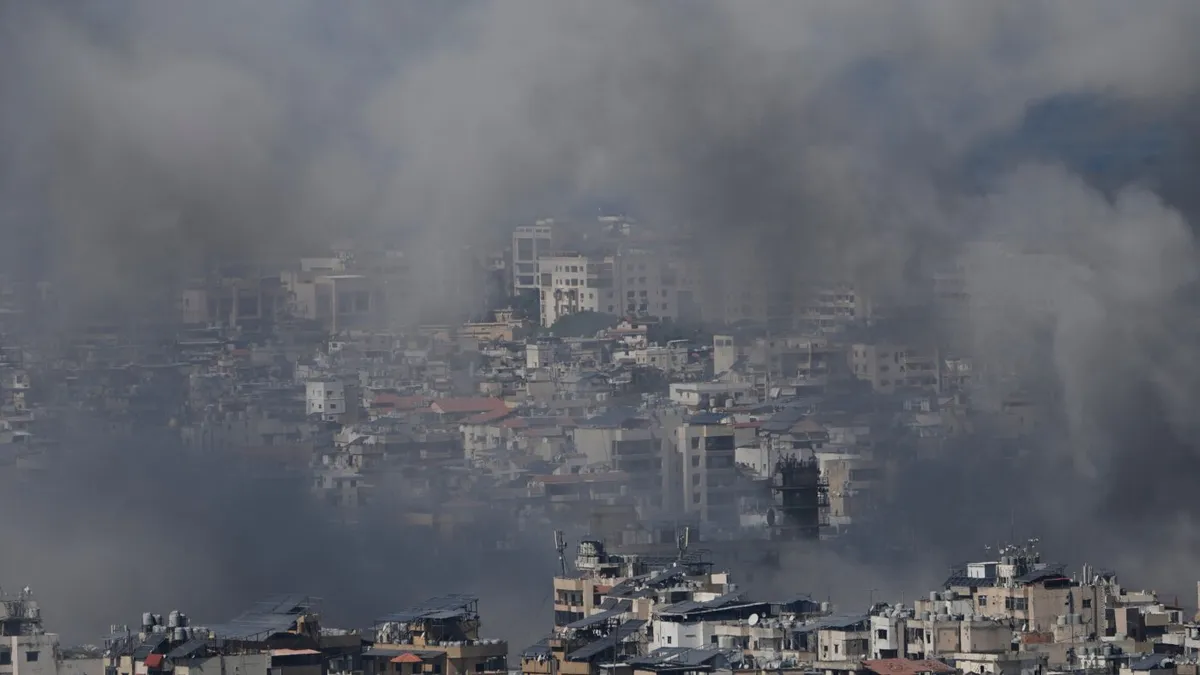
In a dramatic turn of events, Iran launched attacks on Israel and several Gulf states shortly after Khamenei’s appointment. Israeli airstrikes have targeted Hezbollah sites in Beirut and infrastructure in Tehran, prompting a fierce retaliation from Iran.
The ongoing conflict has led to substantial casualties, with over 1,200 deaths reported in Iran, nearly 400 in Lebanon, and 11 in Israel. The Pentagon has confirmed that seven U.S. service members have been killed since the war began, highlighting the broader implications of this conflict.
Bahrain’s state oil company has declared ‘force majeure’ on its operations due to the escalating conflict, while crude oil prices briefly neared $120 a barrel, reflecting market anxieties. Saudi Arabia has intercepted several drones targeting its Shaybah oil field, underscoring the threat posed by Iranian attacks.
In Bahrain, at least 32 people were injured in an Iranian strike on Sitra island, and two civilians were killed in a strike on a residential facility in Al-Kharj, Saudi Arabia. These incidents have raised alarms about the potential for broader regional destabilization.
Statements from Key Parties
Saudi Arabia’s Foreign Ministry stated, “The Kingdom affirms that it retains its full right to take all necessary measures to safeguard its security, sovereignty, and the safety of its citizens and residents, and to deter aggression.” This statement reflects the heightened sense of urgency among Gulf states.
Market analysts have noted a significant shift in sentiment, with Rebecca Babin commenting, “We have gone from traders with ice in their veins to traders with panic in their veins,” indicating the economic repercussions of the conflict.
U.S. officials are also weighing in, with Senator Lindsey Graham advising caution regarding target selection in the ongoing military operations. Meanwhile, Patrick De Haan reported that the average gasoline price in the U.S. has already jumped about 50 cents a gallon in just one week, a direct consequence of the conflict’s impact on oil supply.
Looking Ahead
As the situation continues to unfold, observers are closely monitoring the potential for further escalation in the region. The international community remains concerned about the implications of this conflict for regional stability and global oil markets.