Introduction
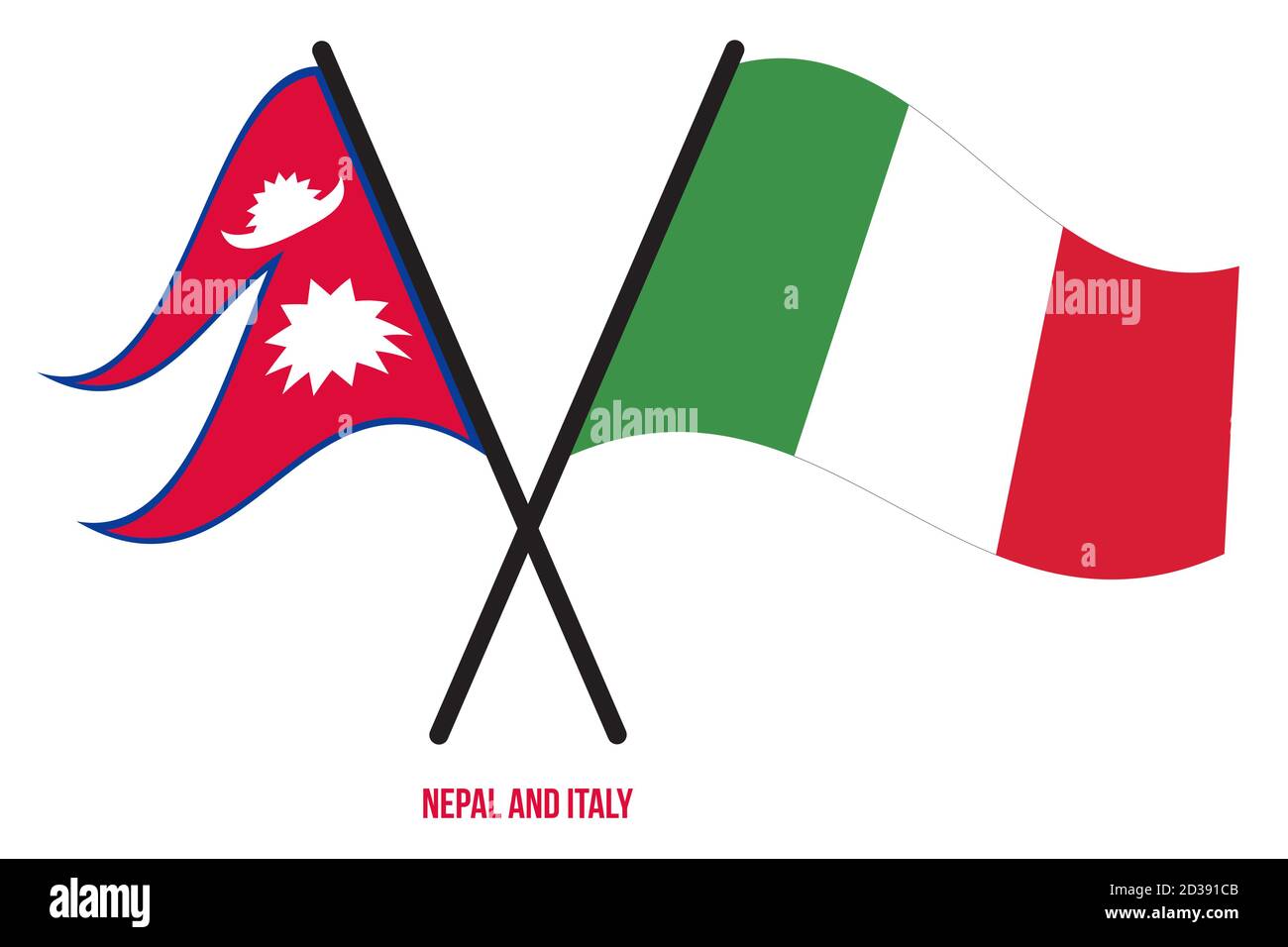
The cultural, geographical, and economic distinctions between nations often contribute to a rich tapestry of global diversity. This is evident in the comparison between Nepal and Italy, two countries that, while vastly different in several aspects, share unique beauty and history. Nepal, known for its towering Himalayan peaks, including Mount Everest, contrasts sharply with Italy, renowned for its historic architecture, art, and cuisine. Understanding these differences not only broadens our perspective but also highlights the rich variety the world has to offer.
Cultural Significance
Nepal boasts a rich cultural heritage influenced by Hinduism and Buddhism, with numerous festivals throughout the year, such as Dashain and Tihar. The diverse ethnic groups add to its cultural mosaic, while the country’s architecture, evident in landmarks like the Kathmandu Durbar Square, reflects a blend of ancient influences.
In contrast, Italy’s culture is steeped in history, renowned for its contributions to the arts, literature, and politics during the Renaissance. Cities like Rome and Florence are home to significant historical artifacts, from the Colosseum to Michelangelo’s David, attracting millions of tourists annually. Furthermore, Italian cuisine is a major influence worldwide, with traditional dishes such as pasta and pizza celebrated globally.
Geographical Differences
Geographically, Nepal is a landlocked country bordered by China and India, featuring diverse landscapes ranging from the towering mountains of the Himalayas to lush valleys. This geographical variety supports an ecosystem rich in biodiversity.
Italy, on the other hand, has a distinct boot-shaped peninsula extending into the Mediterranean Sea, offering a combination of mountain ranges like the Alps and sprawling coastlines. Its varied landscape also contributes to wine production, with regions like Tuscany producing some of the world’s best wines.
Economic Landscape
The economies of Nepal and Italy diverge sharply. Nepal’s economy is predominantly agricultural, with significant reliance on tourism, particularly trekking and mountaineering. However, the country is striving to develop its infrastructure and industries to boost economic growth.
Italy is one of the largest economies in the Eurozone, characterised by a diverse industry marked by high-quality manufacturing, luxury goods, and a robust tourism sector that capitalises on its cultural heritage and natural beauty. The contrast in economic maturity highlights the developmental challenges faced by Nepal compared to Italy’s more established economy.
Conclusion
Comparing Nepal and Italy reveals stark contrasts in culture, geography, and economy, providing a fascinating glimpse into how diverse human societies can be. While they each face their unique challenges and opportunities, both countries offer immense value in terms of cultural richness and potential for growth. Understanding these differences helps foster greater appreciation and awareness of global diversity, reminding us of the importance of preserving and celebrating such unique identities in our interconnected world.