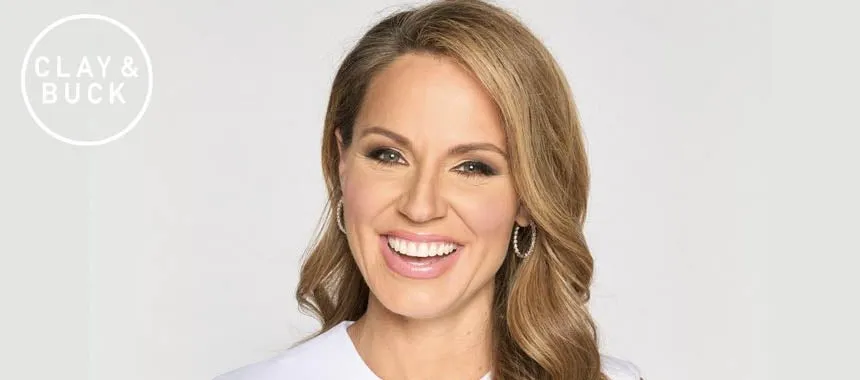
President Trump has nominated Dr. Nicole Saphier as U.S. surgeon general after withdrawing the nomination of Casey Means, whose confirmation faced significant Senate opposition. Saphier, a breast radiologist and director of breast imaging at Memorial Sloan Kettering Cancer Center-Monmouth, brings a unique perspective to this pivotal role.
Before this development, many anticipated that Casey Means would take the position, especially given her advocacy for health issues linked to the MAHA Movement. However, her nomination stalled due to notable resistance in the Senate—particularly from Senator Bill Cassidy, who faced criticism from Trump for his role in blocking Means.
The decision to nominate Saphier marks a decisive shift in strategy for the administration. Trump praised her as a “STAR physician” and an “INCREDIBLE COMMUNICATOR,” highlighting her expertise in guiding patients through breast cancer diagnoses and advocating for early detection.
Trump’s endorsement underscores a broader commitment to health communication at a time when clarity is essential—especially after the mixed responses to the Covid-19 pandemic. Saphier’s previous work includes critiquing the U.S. response to Covid-19 in her authored book, which may provide insights into her approach as surgeon general.
In contrast, Casey Means’ journey reflects a tumultuous path; her medical license became inactive as she shifted towards functional medicine—a move that may have contributed to her nomination’s downfall. Despite this setback, Trump emphasized that Means will continue fighting for MAHA on pressing health issues.
As Saphier prepares for her potential confirmation, her initiatives could significantly influence public health strategies moving forward. Her advocacy for early cancer detection aligns with current healthcare priorities and may resonate well with various stakeholders.
The implications of this nomination extend beyond individual careers; they reflect a broader narrative within health policy and political strategy in America today.