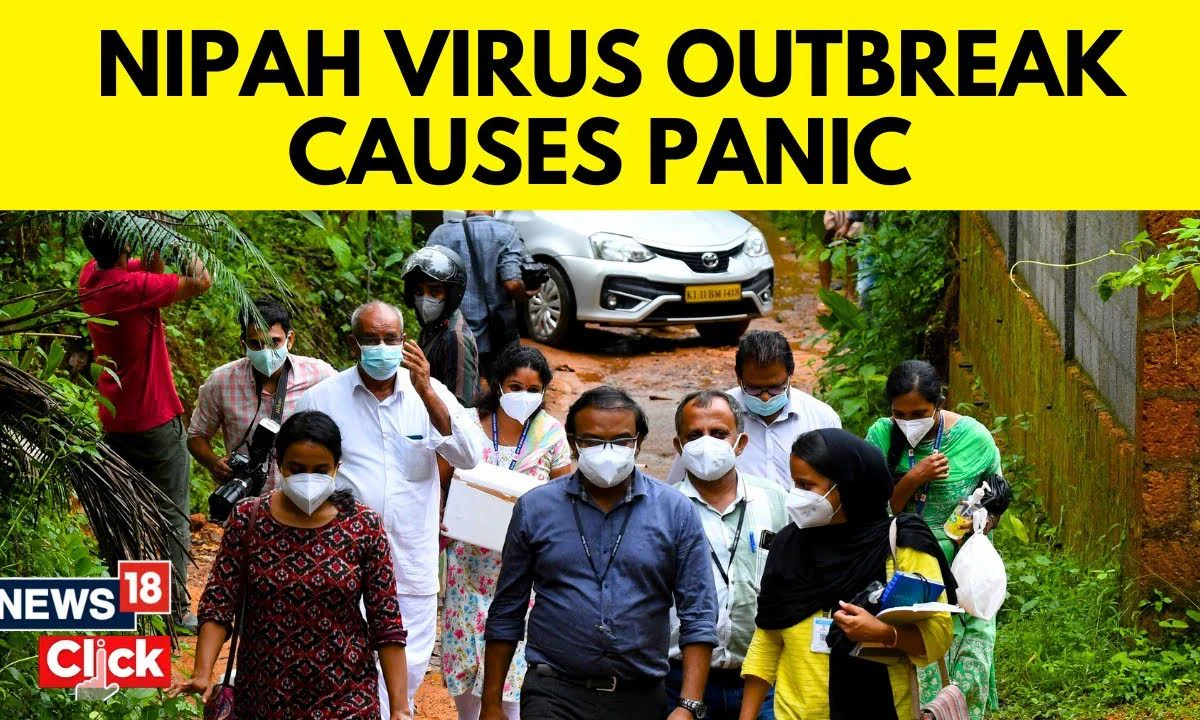
Introduction: Understanding the Nipah Virus
The Nipah virus (NiV), first identified in 1998, is a zoonotic virus that poses significant health risks, primarily transmitted from animals to humans. Recent outbreaks have raised alarm bells due to their potential for high mortality rates and rapid human-to-human transmission. The latest Nipah virus outbreak has sparked concerns among health officials globally, as communities grapple with its implications.
Current Situation
As of October 2023, India has reported an outbreak in the southern state of Kerala, with health authorities confirming multiple cases, some of which have resulted in fatalities. This outbreak follows previous incidents in the region—primarily in 2018 and 2019—highlighting the area’s vulnerability to the Nipah virus.
The state’s health department is actively involved in containment efforts, conducting extensive surveillance and contact tracing. Over 50 individuals have been identified as having come into contact with confirmed cases, necessitating quarantines and close monitoring to prevent further spread.
Response Measures
Health officials are implementing rigorous public health measures, including the establishment of control rooms and coordinating with the World Health Organization (WHO) to ensure an effective response. Public awareness campaigns are underway to educate communities about safety protocols, symptoms of the virus, and the importance of seeking medical attention promptly.
The Significance of Vigilance
In addition to the immediate health implications, the Nipah virus outbreak poses significant challenges to public health infrastructure and economic stability in affected regions. The public’s awareness and adherence to health guidelines will be crucial in curbing the spread of the virus. Past experiences with Nipah outbreaks demonstrate that timely interventions drastically reduce transmission rates.
Conclusion: The Way Forward
As the situation develops, health authorities continue to monitor the Nipah virus outbreak closely. With heightened surveillance and community engagement, the aim is not only to contain the current outbreak but to mitigate the risk of future incidents. For residents in and around Kerala, remaining aware of symptoms and following official guidance will be critical in navigating through this public health challenge. The Nipah virus outbreak serves as a reminder of the ongoing necessity for vigilance against zoonotic diseases, underscoring the importance of preparedness and rapid response strategies in an interconnected world.