Shifting Expectations
Before the recent match at the BNP Paribas Open, Novak Djokovic was expected to continue his dominance on the ATP Tour. As one of the sport’s all-time greats, Djokovic’s resilience and ability to overcome physical challenges have been well-documented throughout his career.
A Decisive Moment
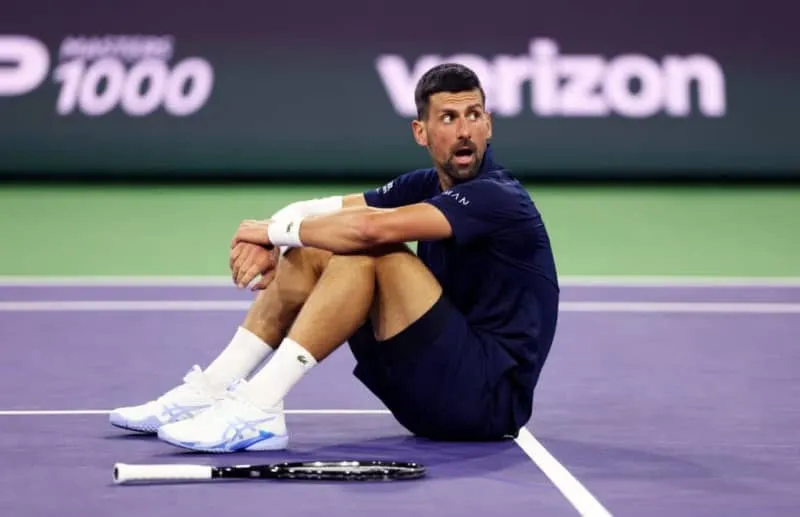
However, during his match against Jack Draper, Djokovic faced an unexpected setback. He lost with a score of 4-6, 6-4, 7-6(5), a result that surprised many fans and analysts alike. Djokovic admitted he “ran out of gas” during the match, particularly after a physically draining 26-shot rally that he described as a turning point.
Immediate Effects
Djokovic’s defeat not only ended his run in one of the ATP Tour’s biggest Masters 1000 events but also raised questions about his physical condition. He mentioned experiencing a stomach problem that affected his breathing, which contributed to his energy levels dropping significantly during the match.
Expert Perspectives
Experts in sports performance note that such physical energy drops can dramatically shift momentum in high-stakes matches. Djokovic’s experience illustrates how quickly a player’s performance can decline when faced with physical challenges. “It cost me a break after, you know. It was great winning that point in that game, but I just, like, ran completely out of gas,” Djokovic reflected on the match.
Despite these challenges, Djokovic expressed a sense of relief towards the end of the third set, indicating that he felt better after the exhausting rally. This acknowledgment of his physical limits serves as a reminder of the intense demands placed on professional athletes.
Djokovic’s defeat to Draper highlights the unpredictable nature of sports, where even the most seasoned athletes can face unexpected hurdles. As he continues to navigate his career, the impact of physical health on performance remains a critical factor for Djokovic and his competitors.