What observers say
“Nowruz is a celebration of life, rebirth and the triumph of light over darkness as winter gives way to spring,” reflects a cultural expert on the significance of this ancient festival. As the vernal equinox approaches on March 20, 2026, at precisely 10:46 a.m. ET, millions around the world will prepare to usher in the Persian New Year, a time steeped in tradition and communal joy.
Nowruz, which translates to “new day” in Persian, has been celebrated for over 3,000 years, with roots deeply embedded in ancient Persian culture and Zoroastrianism. This holiday is not merely a date on the calendar; it represents a profound cultural identity for approximately 300 million people globally, including those in Iran and the vast diaspora.
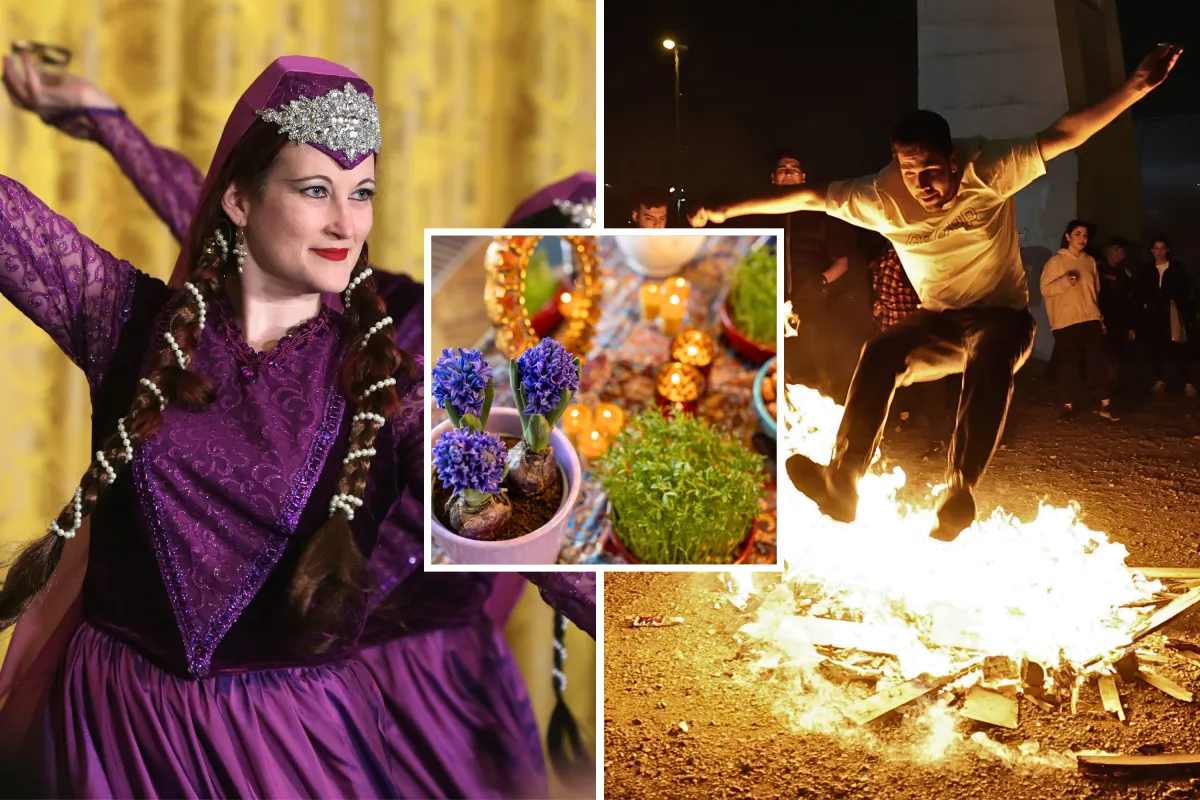
The festivities are rich with symbolism, as families gather to create the Haft-Sin table, which includes seven items starting with the letter ‘S’ in Persian, each representing a different hope for the new year. Rituals such as jumping over bonfires during Chaharshanbe Suri, observed on the last Tuesday of the year, are integral to the celebrations, symbolizing purification and the casting away of the old year’s misfortunes.
As the holiday culminates in Sizdah Be-Dar, a picnic celebration held 13 days after Nowruz, families will engage in outdoor activities, reinforcing community bonds and celebrating the arrival of spring. This year, the “new day” might mean not only a new season but also a better future, as many hope for renewal in various aspects of life.
Gift-giving, especially for children, is a cherished tradition during Nowruz, adding an element of excitement and joy to the celebrations. Schools and workplaces in Iran typically close for ten days, allowing families to fully immerse themselves in the festivities and cultural activities that characterize this time.
Nowruz is recognized by UNESCO as an important cultural heritage, celebrated not only in Iran but also in various countries across the globe. This recognition underscores the holiday’s significance as a secular celebration, independent of any religion, and as an emblem of Persian identity.
As the world prepares for Nowruz 2026, the anticipation builds. Communities are expected to come together, sharing meals, stories, and traditions that have been passed down through generations. Details remain unconfirmed, but the spirit of Nowruz will undoubtedly shine brightly, reminding us all of the enduring power of hope and renewal.