Recent Developments in Oil Prices
Before the current conflict, oil prices were relatively stable, with Brent crude trading around $92.69 per barrel. However, the situation changed dramatically following the U.S. and Israel’s military actions against Iran on February 28, 2026.
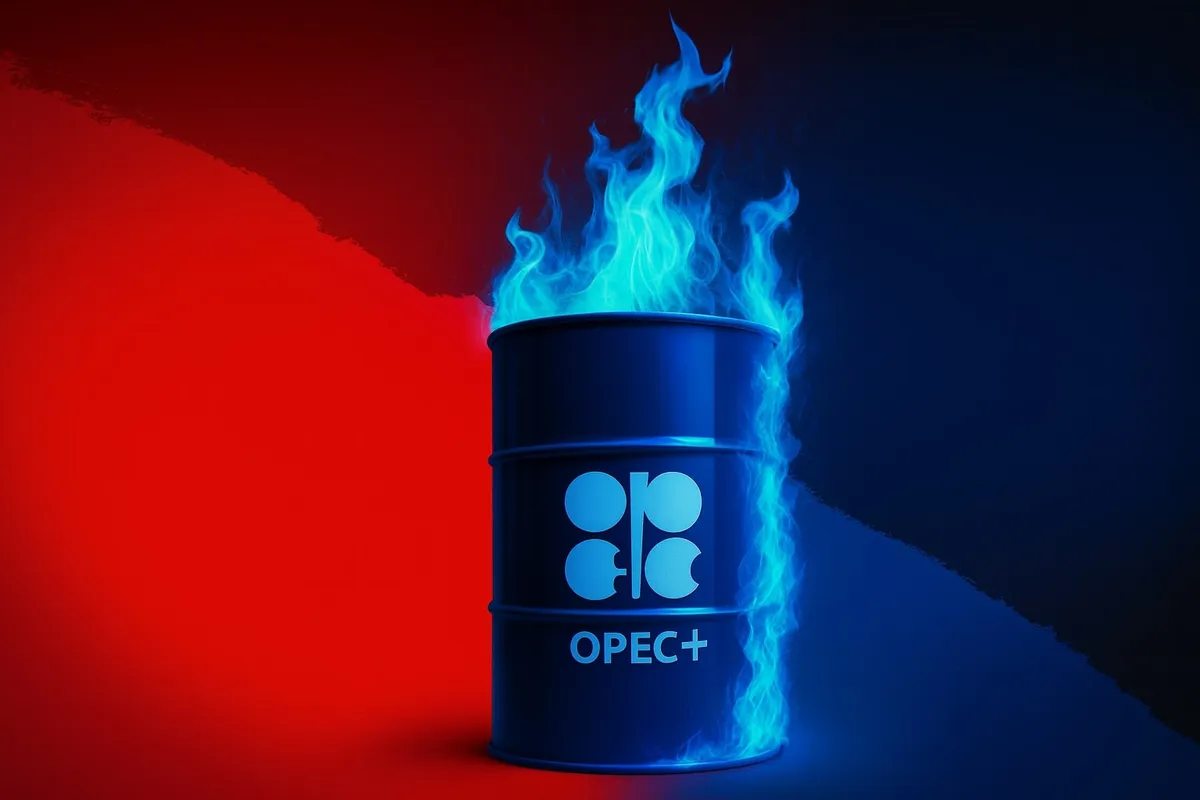
As of March 9, 2026, oil prices have surpassed $100 a barrel for the first time since the aftermath of Russia’s invasion of Ukraine in 2022. Brent crude has risen to $114 per barrel, marking a 23% increase, while West Texas Intermediate also reached approximately $114 per barrel, up 25% from $90.90.
Impact on Oil Production and Exports
The conflict has severely impacted oil production in the region. Iraq, Kuwait, and the UAE have cut oil production due to reduced export capabilities, with Iraq’s oil output collapsing by 60%. Iran, which typically exports about 1.6 million barrels of oil daily, primarily to China, faces significant disruptions.
Additionally, the Strait of Hormuz, a critical shipping route through which 15 million barrels of crude oil are transported daily, remains under threat, further exacerbating the situation.
Broader Economic Effects
The surge in oil prices has led to a ripple effect across various sectors. U.S. gas prices have increased to $3.45 per gallon, a 47-cent rise from the previous week. Natural gas prices have also seen a jump, reaching $3.33 per 1,000 cubic feet, a 4.6% increase.
Financial markets are reacting to these developments as well, with futures tied to the S&P 500 falling by 2.2% as oil prices surged. Experts warn that if oil prices remain elevated for an extended period, it could pose a significant global economic headwind.
Expert Opinions
Experts are weighing in on the implications of the rising oil prices. Mike O’Rourke noted, “If oil remains at these levels for several weeks, it will be a major global headwind.” Meanwhile, Donald Trump commented on the situation, stating, “Short term oil prices, which will drop rapidly when the destruction of the Iran nuclear threat is over, is a very small price to pay for U.S.A., and World, Safety and Peace.”
Saad al-Kaabi expressed concerns about the potential for further disruptions, stating, “Everybody that has not called for force majeure we expect will do so in the next few days that this continues.” Mohammad Bagher Qalibaf emphasized that the war’s impact on the oil industry would spiral.
Details remain unconfirmed regarding the duration of the conflict and its long-term impact on oil prices. The exact future of U.S. gas prices also remains uncertain.