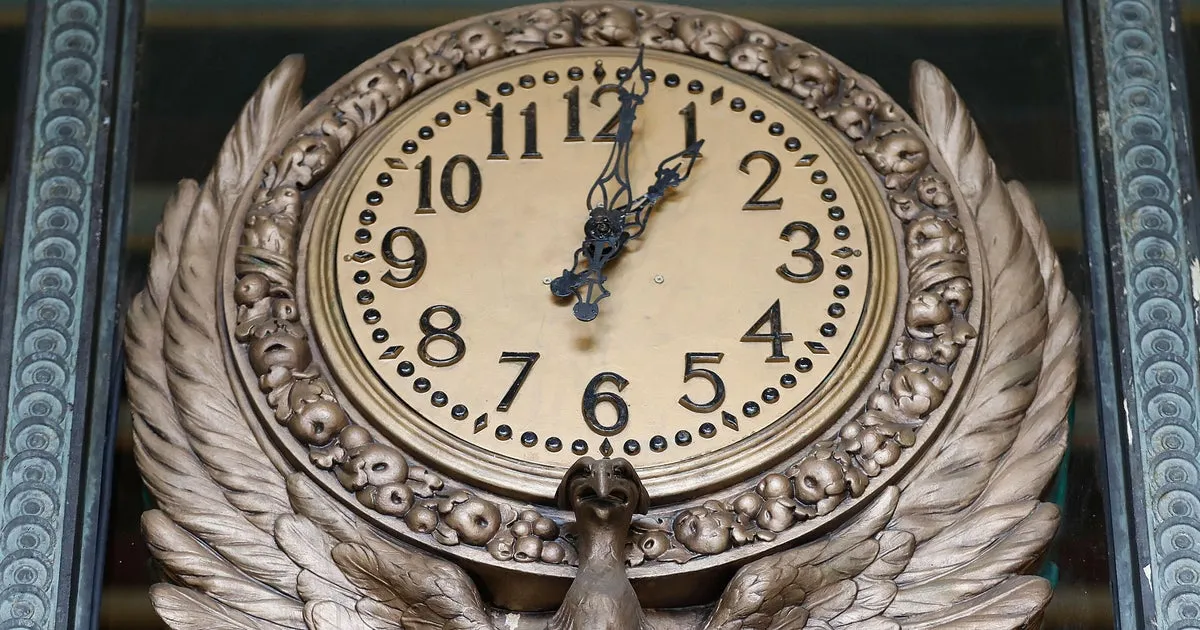
Daylight Saving Time Begins
“Daylight saving time officially began at 2 a.m. Sunday morning, March 8, pushing sunrise and sunset one hour later.” This change, which affects most of the United States, means that many Americans lost an hour of sleep as they adjusted their clocks forward.
Daylight Saving Time (DST) was first adopted in the U.S. in 1918 during World War I as a measure to conserve energy. Since then, it has evolved, with the start date for DST being set on the second Sunday of March since 2007. In 2026, DST will be in effect for a total of 238 days, concluding on November 1.
While most of the U.S. observes DST, notable exceptions include Hawaii and most of Arizona, as well as territories like American Samoa and Puerto Rico. This year, the time change allows bars and restaurants in Indiana to serve alcohol for an extra hour, extending service until 4 a.m.
Despite the historical context, misconceptions persist about the origins of DST. “Many Americans wrongly point to farmers as the driving force behind Daylight Saving Time,” a common myth that overlooks the energy-saving goals of the practice.
The U.S. Department of Transportation has emphasized that the primary aim of DST is to ensure more daylight hours in a day, which can lead to reduced energy consumption. However, public sentiment is shifting; a recent poll indicates that two-thirds of Americans favor the permanent elimination of the time change.
Despite legislative efforts, including a bill that passed the Senate in 2022, there remains no permanent end to the time change currently in place. As the nation adjusts to the new time, discussions about the future of DST continue to surface.
As Americans navigate the effects of the time change, the question remains: what time is it? For many, it is a reminder of the ongoing debate surrounding daylight saving time and its implications on daily life.