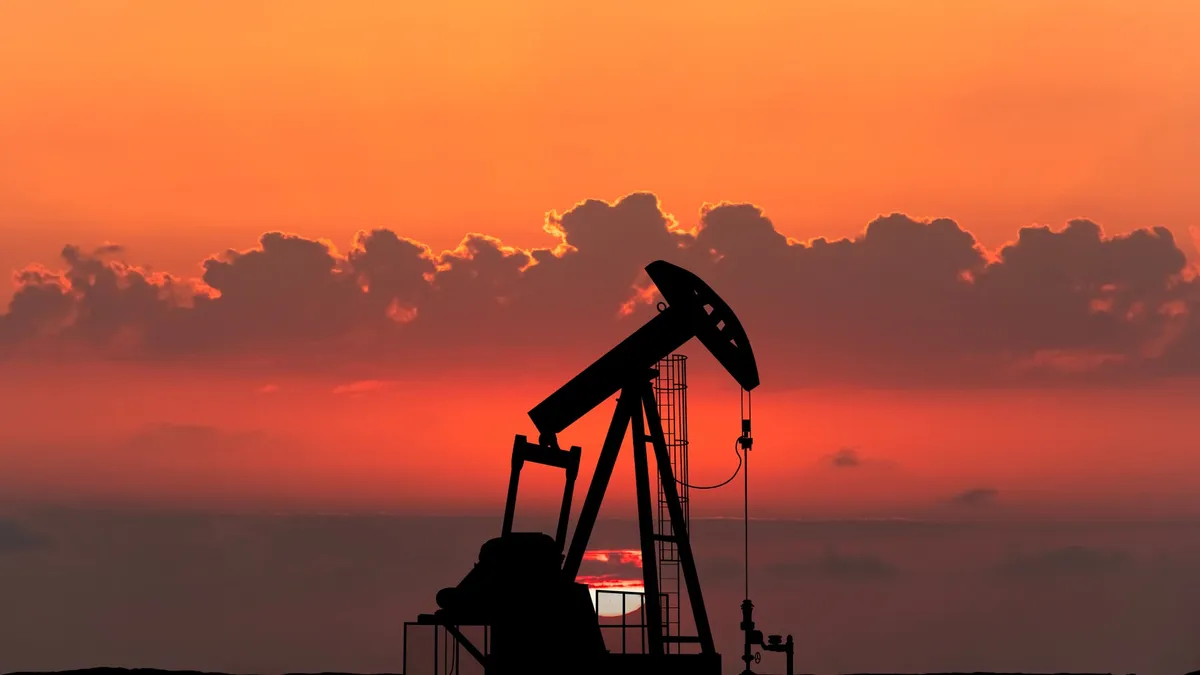
What is driving the recent fluctuations in oil prices?
Oil prices today have seen significant volatility, raising concerns among analysts and consumers alike. Brent crude briefly surged to $119.50 per barrel, while West Texas Intermediate reached $119.48 at one point on March 9, 2026. However, by late in the day, prices fell to under $90.
This dramatic shift is largely attributed to escalating tensions in the Middle East, particularly related to Iran’s ongoing conflict. The situation has led to disruptions in oil production and shipping, crucial for global energy markets.
What are the key factors influencing these price changes?
Iran, which exports approximately 1.6 million barrels of oil daily—primarily to China—has been at the center of these developments. The Strait of Hormuz, a vital transit route for global energy, typically sees around 15 million barrels of crude oil shipped daily, making any disruptions significant.
On March 9, the average price of a gallon of regular gasoline in the U.S. rose to $3.48, while diesel prices reached $4.66 per gallon. These increases reflect the immediate impact of the rising oil prices on consumers.
What actions are being taken in response to the crisis?
In response to the situation, Iraq, Kuwait, and the United Arab Emirates have cut oil production due to storage constraints. Additionally, Bahrain’s national oil company declared force majeure for its shipments following an Iranian attack, further complicating the supply chain.
Despite these challenges, the Group of Seven (G7) nations decided against utilizing their strategic reserves as of March 9, 2026, indicating a cautious approach to managing the crisis.
What are the broader implications?
Experts warn that this could be the largest oil supply shock ever, as noted by economist Nicholas Mulder. Former President Donald Trump emphasized the potential consequences of Iranian actions, stating, “If Iran does anything that stops the flow of Oil within the Strait of Hormuz, they will be hit by the United States of America TWENTY TIMES HARDER than they have been hit thus far.”
As the situation unfolds, uncertainties remain regarding the duration of the oil price surge and the long-term impact of the Iran war on global energy supplies. Details remain unconfirmed.
In the meantime, all parties involved are urged to ensure stable and smooth energy supplies, as highlighted by Guo Jiakun, emphasizing the shared responsibility in this critical time.