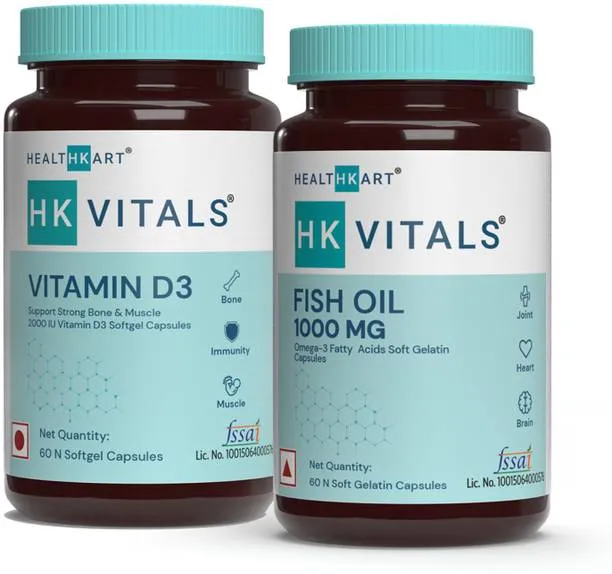
A new study raises concerns that fish oil supplements may interfere with brain healing after injury, challenging their perceived protective benefits. Onder Albayram, a key researcher, pointed out that “Fish oil supplements are everywhere, and people take them for a range of reasons, often without a clear understanding of their long-term effects.” This statement underscores the growing scrutiny surrounding omega-3 fatty acids.
Years of nutrition research have demonstrated the benefits of omega-3 fatty acids for cardiovascular health. Diets high in these fats—especially EPA and DHA—are better for cardiovascular health than low levels. Yet, Albayram cautions against blind consumption.
Key findings from the study:
- Higher levels of EPA and DHA in blood correlate with lower risk of heart attacks and coronary heart disease.
- Omega-3 supplements may not help the general population in preventing cardiovascular disease.
- Some evidence suggests omega-3 supplements might raise the risk of certain cardiovascular problems for healthy individuals.
- Combining fish oil with anticoagulants can increase the risk of bleeding.
- Vitamin E and ginkgo biloba can also increase bleeding risk when taken with fish oil.
- A study found that higher levels of EPA in the brain were associated with weaker repair after injury.
Brynna Connor noted that “Supplements are best for those individuals who don’t eat fish, or those who need therapeutic supplementation for conditions like high triglycerides, cardiovascular disease risk, and rheumatoid arthritis.” This highlights that while some may benefit from omega-3s, others might not see any advantage at all.
The long-term impact of omega-3 intake on brain recovery remains unclear. The cause has not been disclosed; however, it is crucial to consider potential risks alongside benefits. As more research emerges, individuals should approach supplementation with caution—especially if they are already taking medications that affect blood pressure or coagulation.