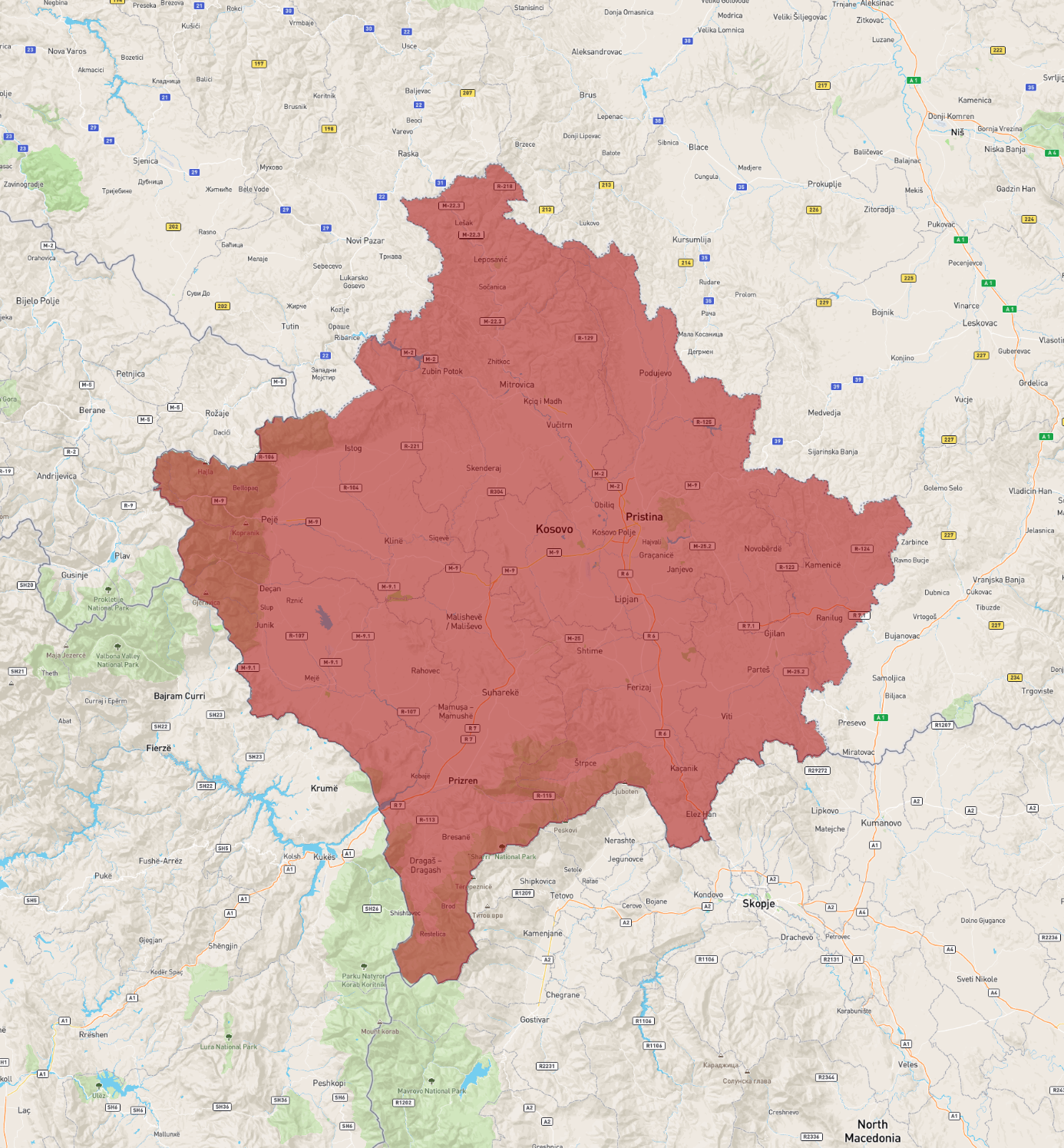
Introduction
Kosovo has been a focal point of geopolitical interest and tension in Europe, especially since declaring independence from Serbia in 2008. Understanding the current dynamics and historical context of Kosovo is vital for comprehending broader regional stability and the intricacies of international relations in the Balkans.
Current Developments
As of 2023, Kosovo remains in a delicate state of affairs marked by a series of negotiations and incidents affecting its international relations and internal stability. Most recently, tensions have flared over the Serbian minority in northern Kosovo. The government in Pristina is focusing on normalization talks with Serbia as facilitated by the European Union, which have been on and off since 2013. A key sticking point has been the mutual recognition of sovereignty.
Incidents earlier this year, including protests and clashes between ethnic Serbs and Kosovo police, have underscored the longstanding divisions within the country. The European Union and the United States have urged both sides to engage in constructive dialogue to prevent further escalations and to address the rights of minority populations, particularly in northern areas where ethnic Serbs form a majority.
Historical Context
The complex history of Kosovo, involving conflict during the 1990s and the subsequent NATO intervention in 1999, has profoundly impacted its current political landscape. Kosovo’s declaration of independence followed years of ethnic tension and violent conflict that have left a lasting mark on its demographic and political structure. While over 100 countries have recognised Kosovo’s statehood, Serbia, along with several other nations, still does not, and this remains a significant barrier in the path towards stability in the region.
The Role of International Actors
International actors, particularly the EU and NATO, play crucial roles in stabilising Kosovo. The EU’s rule of law mission, EULEX, and KFOR, NATO’s peacekeeping force, continue to operate in the area, aimed at ensuring safety and supporting governance structures. The desire for EU integration remains a key motivator for Kosovo but is coupled with challenges in meeting required political and economic conditions.
Conclusion
The future of Kosovo is uncertain, hinging on the efficacy of dialogue with Serbia and the international community’s commitment to a lasting peace. As regional dynamics evolve, Kosovo’s developments will significantly impact not just its citizens but also the broader stability of the Balkans. For readers, staying informed about Kosovo’s political environment is crucial, given its implications for European security and international policy.