Introduction
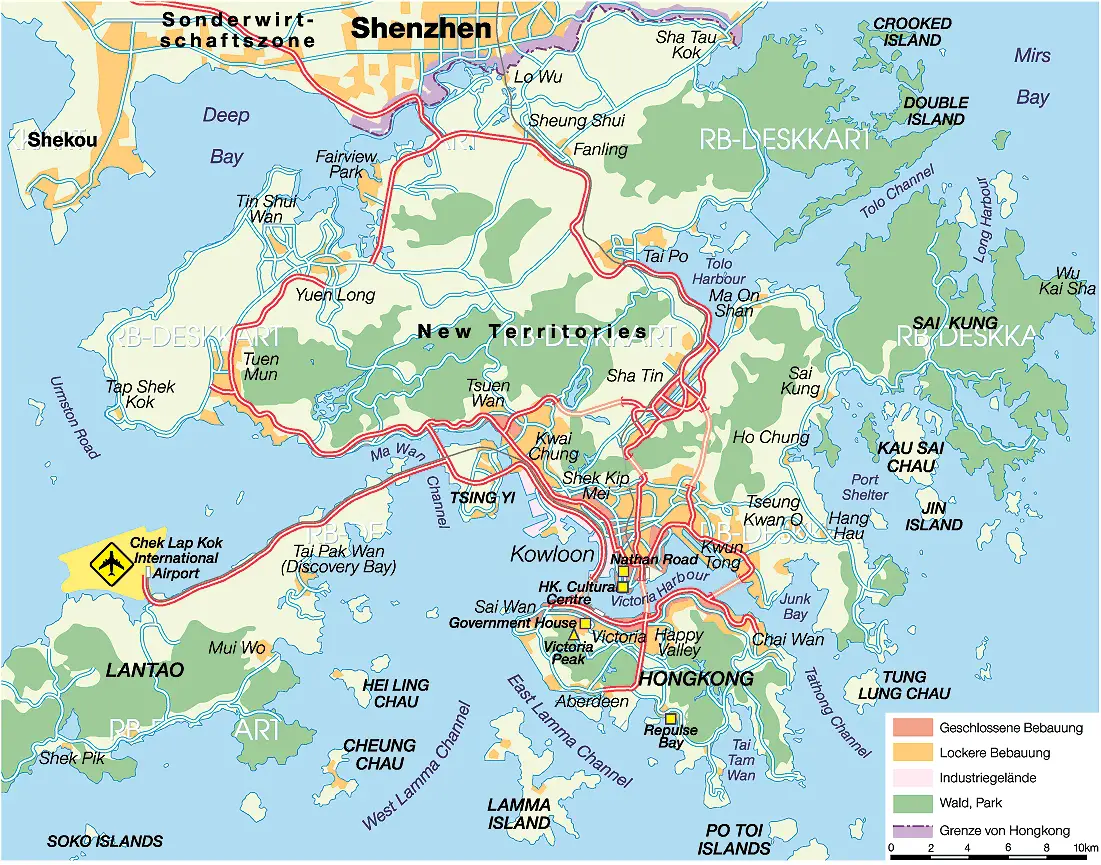
Hong Kong, a vibrant metropolis known for its unique blend of Eastern and Western cultures, has become a focal point in global discussions regarding democracy and governance. In recent years, significant political changes have affected the region’s freedoms and international standing. Understanding the current events surrounding Hong Kong is vital as it not only impacts local residents but also has significant implications for geopolitical relationships and global economies.
Political Landscape
Recent developments in Hong Kong have seen a series of protests and legislative changes that have drawn international attention. Following the enactment of the National Security Law by Beijing in mid-2020, the region has experienced a clampdown on dissent. This legislation has led to the arrest and prosecution of numerous pro-democracy activists, leading to widespread concern over human rights violations. As of August 2023, the landscape remains tense, with citizens navigating life under increasing surveillance and restricted freedoms.
Socio-economic Impact
The socio-economic conditions in Hong Kong have also shifted. The ongoing struggles have not only created divisions among the populace but have triggered economic challenges as well. According to the Hong Kong Census and Statistics Department, unemployment rates have risen slightly, with sectors such as retail and tourism being particularly hard-hit. The city’s renowned status as a global financial hub faces challenges as businesses reassess risks amid political uncertainties.
International Relations
On the international stage, Hong Kong’s situation has elicited responses from various governments. The UK, for instance, has been vocal in its support for Hong Kong residents seeking refuge and has issued visas to thousands under the British National (Overseas) scheme. Additionally, tensions between China and Western nations have escalated, affecting trade relations and diplomatic ties. In recent months, the G7 nations reiterated their concerns regarding human rights in Hong Kong, amplifying the call for accountability from Beijing.
Conclusion
The situation in Hong Kong remains dynamic as citizens adapt to the evolving political climate. The interplay between local governance and international response will likely continue to shape the territory’s future. As we move forward, it is essential to monitor developments closely, as the outcomes will resonate far beyond Hong Kong’s borders, influencing global discussions on democracy, human rights, and international trade.