The wider picture
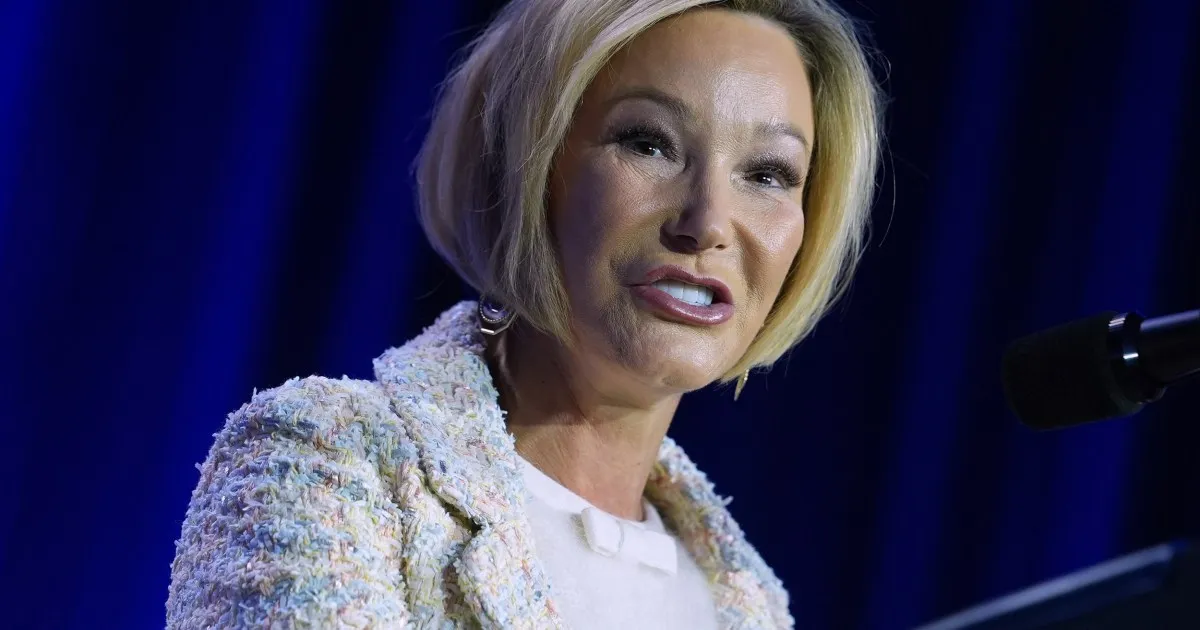
Paula White, a prominent spiritual adviser to President Donald Trump, has long been a polarizing figure within the MAGA movement since her appointment in 2019. Known for her evangelical roots and her close ties to Trump, White has often found herself at the center of controversy. Her role in the White House has included advocating for religious values in public policy and encouraging donations to her ministry. This background sets the stage for her latest remarks, which have sparked significant backlash.
During an Easter lunch event at the White House on April 2, 2026, White made headlines by comparing Trump to Jesus Christ. She stated, “Jesus taught so many lessons through his death, burial, and resurrection. He showed us great leadership, great transformation requires great sacrifice. And Mr. President, no one has paid the price like you have paid the price. It almost cost you your life.” This statement, made in front of an audience that included a U.S. Bishop, quickly drew ire from both liberals and conservatives alike.
The comparison of Trump to Jesus is not only audacious but also deeply contentious. Critics have pointed out the inappropriateness of equating a political figure with a religious icon. Catholic theologian Rich Raho condemned White’s remarks as “blasphemous,” emphasizing the gravity of such a comparison. Reverend Benjamin Cremer echoed this sentiment, stating, “This is what it sounds like to take Jesus’ name in vain.” Such reactions highlight the deep divisions within American society regarding the intersection of faith and politics.
White’s comments were initially made during a closed event, but a video was inadvertently uploaded to YouTube, allowing the public to witness her remarks. This incident underscores the growing scrutiny of religious figures who align themselves closely with political leaders. While White received applause from some attendees, the backlash from outside the event was swift and severe, indicating that her support is far from universal.
Since her involvement with Trump began in 2002, when he reached out to her after a television appearance, White has been a fixture in his inner circle. Her selection to speak at Trump’s inauguration in 2017 further solidified her status as a key religious ally. However, her controversial statements and actions have led many to question her credibility and the appropriateness of her role in the White House.
In addition to her remarks about Trump, White has previously claimed that the White House is “holy ground,” further intertwining her religious beliefs with her political advocacy. This blending of faith and politics raises important questions about the role of religious leaders in governmental affairs and the potential implications for American democracy.
As the fallout from White’s comments continues, observers are left to ponder the future of her influence within the MAGA movement and the broader implications for the relationship between religion and politics in the United States. With both sides of the political spectrum expressing outrage, it remains to be seen how this incident will affect White’s standing in the eyes of the public and her ability to navigate the complex landscape of American evangelicalism.