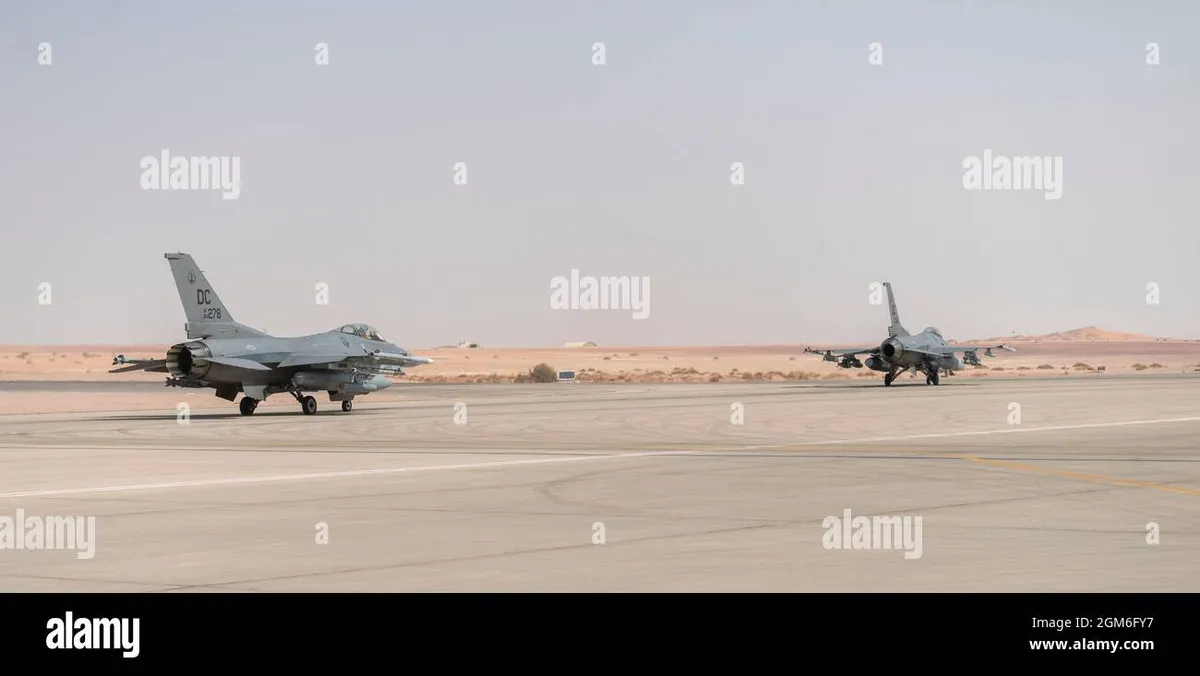
Before the recent Iranian attack on Prince Sultan Air Base, expectations were relatively stable regarding U.S. military operations in the region. The base, a crucial hub for American forces, was seen as a stronghold against Iranian influence, supporting various operations aimed at countering threats from Tehran.
However, on March 27, 2026, a decisive moment unfolded when an Iranian missile struck the base, injuring around 10 service members, with two reported in serious condition. This attack also involved multiple drones, marking a significant escalation in Iran’s military tactics.
The immediate effects of the attack were stark. In total, 12 service members were injured, with reports confirming that several U.S. refueling aircraft and an E-3 Sentry AWACS command and control plane sustained damage. This incident adds to the growing toll of Operation Epic Fury, which has seen over 300 service members wounded and 13 killed, including a soldier at the base during a previous attack.
Experts are weighing in on the implications of this shift. Adm. Brad Cooper noted, “We have damaged or destroyed over two-thirds of Iran’s missile, drone, and naval production facilities and shipyards,” suggesting that while the U.S. has made significant strides, Iran’s recent actions indicate a willingness to escalate its military engagement.
Furthermore, the Saudi Defense Ministry reported intercepting a ballistic missile targeting Riyadh on the same day, highlighting the broader regional threats posed by Iran. This dual attack raises questions about the effectiveness of existing defense measures and the overall security of U.S. assets in the region.
Donald Trump commented on the situation, suggesting that it is time for Saudi Arabia and Israel to normalize ties following the ongoing conflict with Iran. This perspective underscores the potential for shifting alliances in the Middle East as nations reassess their strategies in light of recent events.
Ali Bahreini, an Iranian official, framed the attack as a reflection of Iran’s commitment to humanitarian efforts, a narrative that contrasts sharply with the reality of military aggression. This dichotomy illustrates the complex nature of regional politics where military actions are often couched in humanitarian rhetoric.
Details remain unconfirmed regarding the exact number of service members wounded and the severity of their injuries. Additionally, the extent of damage to the aircraft has not been independently verified, leaving many questions unanswered.
As tensions escalate, the future of U.S.-Saudi relations and the broader security landscape in the Middle East hangs in the balance, with the Prince Sultan Air Base now at the center of a critical geopolitical flashpoint.