Introduction
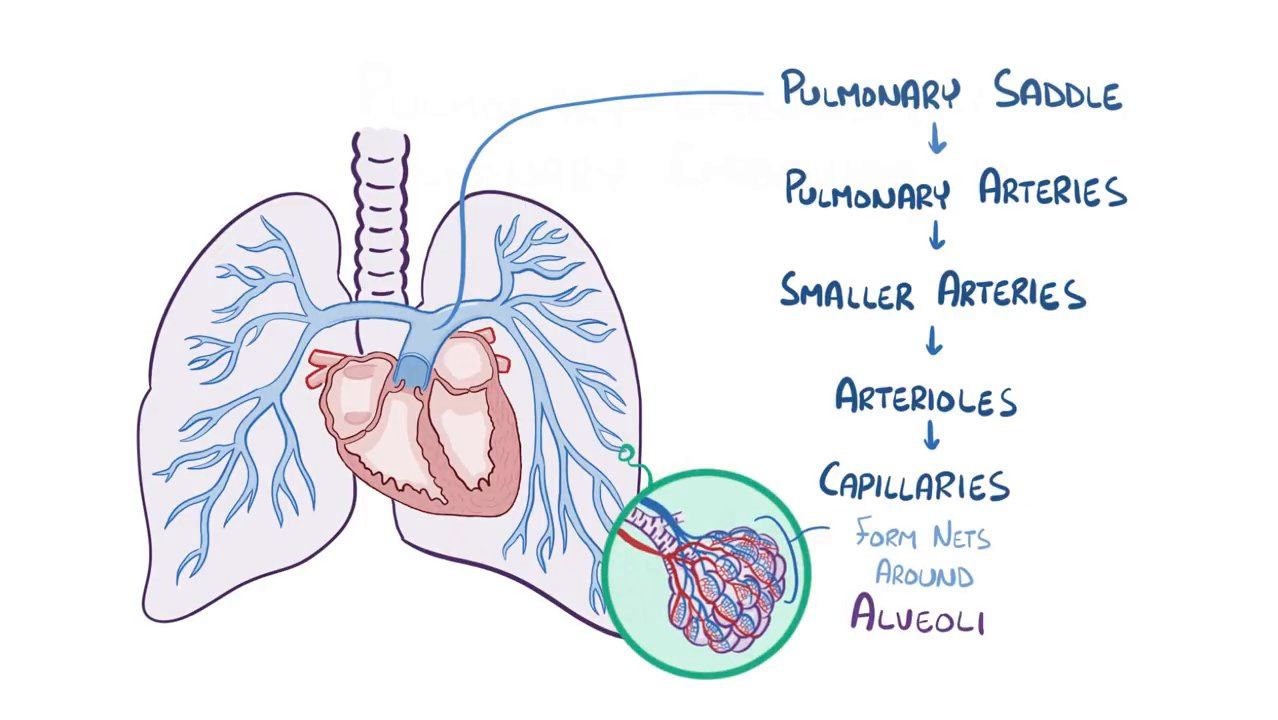
Pulmonary embolism (PE) is a serious medical condition that occurs when a blood clot blocks a blood vessel in the lungs. This can lead to severe respiratory complications and can be life-threatening if not treated promptly. The importance of understanding pulmonary embolism lies in its prevalence; it affects hundreds of thousands of individuals annually and poses significant health risks, particularly for those with underlying conditions. Awareness of its symptoms and risk factors is crucial for early detection and effective treatment.
Understanding Pulmonary Embolism
A pulmonary embolism typically arises from deep vein thrombosis (DVT), where blood clots form in the legs or other parts of the body and then travel to the lungs. Recent studies, including data from the American Heart Association, suggest that the incidence of PE is on the rise, especially among populations with risk factors such as prolonged immobility, obesity, and certain medical conditions like cancer.
Symptoms and Diagnosis
The symptoms of PE can vary greatly among individuals but commonly include sudden shortness of breath, chest pain that may worsen with deep breaths, and a persistent cough that may produce blood-tinged sputum. Some patients may also experience dizziness or fainting. Due to its nonspecific symptoms, diagnosing pulmonary embolism can be challenging. Healthcare professionals often use imaging tests such as a CT pulmonary angiography and D-dimer tests to confirm the presence of a clot.
Recent Developments in Treatment
In recent years, advances in treatment options have greatly improved outcomes for individuals diagnosed with pulmonary embolism. Anticoagulant medications are the standard initial treatment, helping to dissolve clots and prevent new ones from forming. Newer therapies, including catheter-assisted therapies and clot retrieval, are also emerging as effective interventions for patients with severe PE. Continuous research is focused on personalizing treatment plans based on individual risk factors, which could significantly improve patient care in the future.
Conclusion
Pulmonary embolism is a critical health issue that requires immediate attention and understanding. With millions being affected worldwide, awareness of its risk factors, symptoms, and advancements in treatment is essential. As research continues and new treatment modalities are developed, the prognosis for those diagnosed with PE is expected to improve. Staying informed can empower individuals to seek timely medical assistance, potentially saving lives.