Introduction
Alexei Navalny, the prominent Russian opposition leader, has become a symbol of resistance against the Kremlin’s authoritarian regime. His ongoing struggle for democracy in Russia has gained international attention, especially after his imprisonment and health issues in custody. Navalny’s situation is critical not only for his own future but also for the broader landscape of Russian politics, affecting relations between Russia and Western nations.
Background
Navalny, a lawyer by training, rose to prominence as an anti-corruption activist, and his videos exposing corruption among Russian officials have garnered millions of views. In August 2020, he was poisoned with a nerve agent, Novichok, which he and many international observers attribute to the Russian government. After recovering in Germany, he returned to Russia in January 2021, where he was immediately arrested. He was sentenced to two and a half years in a penal colony for violating parole on a prior conviction widely considered to be politically motivated.
Latest Events
In recent months, Navalny has faced continued pressure from the Russian authorities. Reports indicate that he has been transferred to a maximum-security prison, where he is reportedly suffering from deteriorating health conditions due to inadequate medical care. His supporters and family members have expressed concerns over his well-being, calling for international intervention.
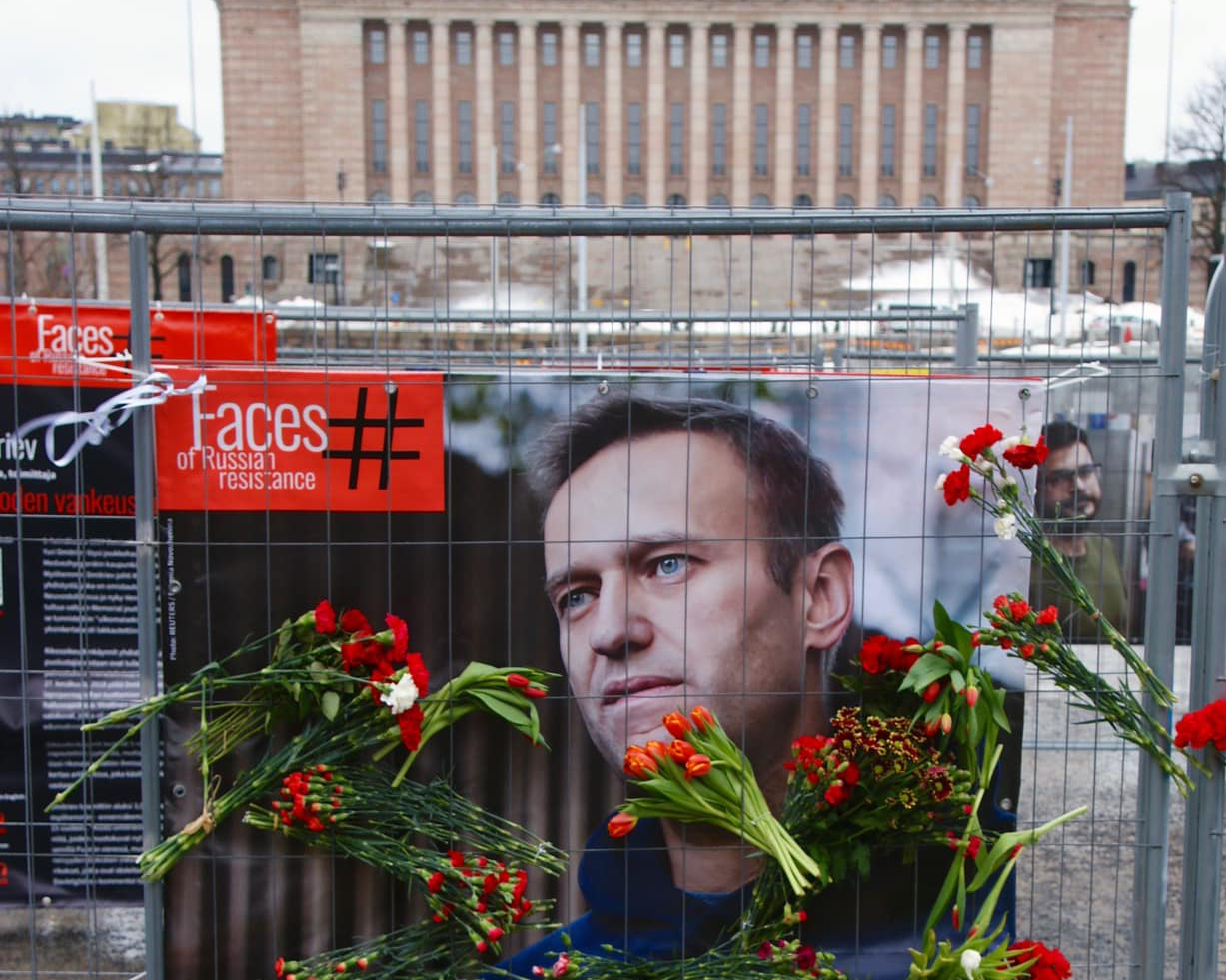
Moreover, Navalny has continued to engage with his supporters through letters and social media, urging the public to remain active against the regime. Various protests have occurred across Russia and abroad, with supporters calling for his release and an end to political repression in the country. In a recent statement, Navalny reiterated his commitment to the fight for democracy, despite the risks involved.
International Response
Navalny’s plight has rekindled discussions around human rights abuses in Russia. The United States and European Union have imposed sanctions on Russian officials associated with his poisoning and imprisonment. Additionally, NATO allies are increasingly vocal in their support for Navalny, viewing his treatment as a litmus test for the Kremlin’s intentions in maintaining oppressive control within Russia.
Conclusion
The situation surrounding Alexei Navalny is emblematic of the broader struggle for freedom and justice in Russia. As the international community continues to monitor his case, it remains crucial for global leaders to advocate for his release and condemn the regime’s actions. Navalny’s steadfast commitment to the cause, despite grave personal risks, serves as a powerful reminder of the fight for democratic values. The coming months will be pivotal in determining not just Navalny’s fate, but also the future of political dissent in Russia and potential changes in diplomatic relations with the West.