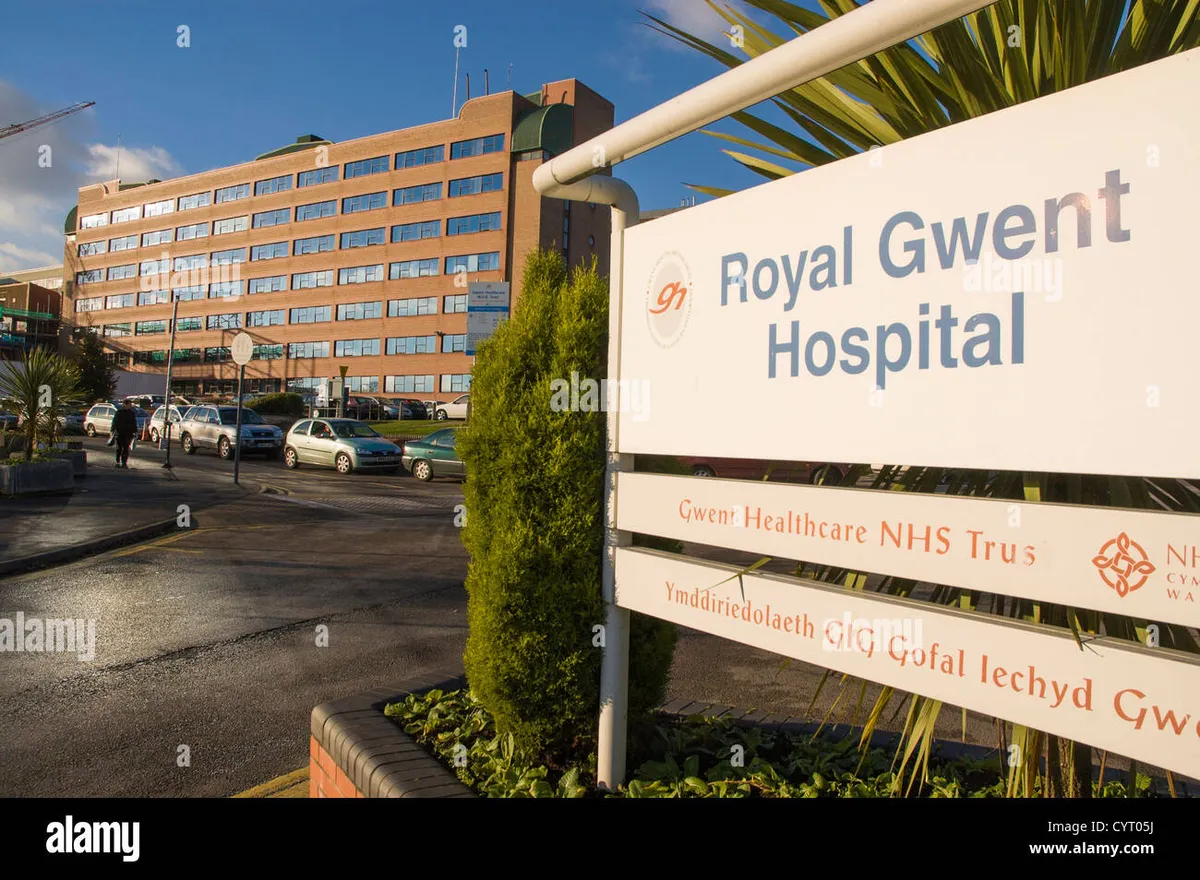
Before the troubling events of February 25-26, 2026, Royal Gwent Hospital was regarded as a reliable healthcare provider in Newport, Wales. Patients expected a high standard of care, particularly in surgical procedures. However, this expectation was shattered when it was revealed that twenty-one patients had undergone procedures with unsterilised surgical instruments.
The decisive moment came when the health board disclosed that these instruments, although disinfected, had not been sterilised in an autoclave. This critical oversight was attributed to human error during routine checks, raising questions about the hospital’s internal protocols. Patients were only informed of the potential risks three weeks later, on March 16, 2026, which has sparked outrage among those affected.
Among the patients impacted was Ieuan Williams, a 15-year-old who expressed his fear and anxiety about the situation. “I was quite scared at first. I’m going to have to go back and forth to the hospital for six months. They keep saying how low the risk is but I want to know for sure,” he stated. This sentiment reflects the broader anxiety felt by all patients involved, who are now undergoing extensive testing for HIV and hepatitis.
The health board has publicly apologised for the distress caused, yet many, including local politicians, are demanding more than just words. Laura Anne Jones, a local representative, voiced her frustration: “It’s scandalous that it’s taken three weeks for my constituents to be informed.” This delay in communication has exacerbated the situation, leaving patients feeling neglected and anxious.
Peter Fox, another local politician, echoed these sentiments, stating, “An apology alone is not good enough. We need a full investigation into why this appalling incident occurred.” The call for accountability is growing louder as the health board conducts a full review of the incident, which was initially uncovered by a whistleblower.
Despite the serious nature of the error, health officials have reassured the public that the likelihood of contracting a blood-borne virus from the incident is very low. However, the fact that patients will undergo four rounds of testing over six months indicates the severity of the situation and the health board’s commitment to ensuring patient safety.
As this incident unfolds, it serves as a stark reminder of the importance of stringent protocols in healthcare settings. The Royal Gwent Hospital, once a trusted institution, now faces a significant challenge in restoring public confidence. The implications of this incident extend beyond the immediate health risks, touching on broader issues of accountability and transparency in the healthcare system.