Introduction
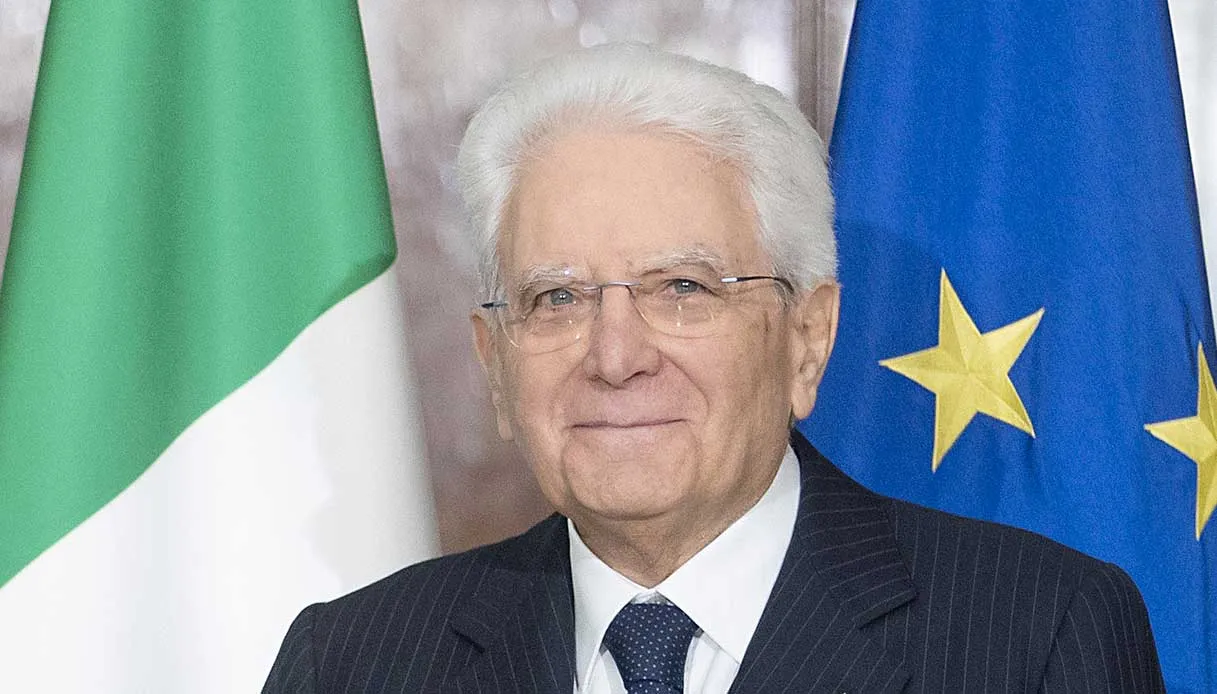
Sergio Mattarella, the current President of Italy, has been a key figure in the country’s political landscape since taking office in February 2015. As a former constitutional judge and long-time parliamentarian, his presidency has become a symbol of stability, particularly during turbulent political times. The role of the President in Italy is primarily ceremonial, yet Mattarella has exercised significant influence, particularly in times of crisis, making his insights and actions relevant to both national and international audiences.
Early Life and Political Career
Sergio Mattarella was born on July 23, 1941, in Palermo, Sicily, into a political family. His father, Bernardo Mattarella, was a prominent member of the Christian Democracy party and served as a deputy in the Italian parliament. Following his education in law, Sergio began his political career in the 1980s as a member of the Christian Democracy party. Over the years, he held various crucial positions, including Minister of Education and Minister of Defence, but his most notable role before becoming president was as a member of Italy’s Constitutional Court.
Presidency Highlights
Mattarella’s presidency has been marked by a commitment to upholding the Constitution and promoting national unity. He has played a mediating role in Italy’s often fragmented political landscape, particularly during the challenges posed by the COVID-19 pandemic and a series of government crises. For instance, in early 2021, he appointed Mario Draghi, the former head of the European Central Bank, as Prime Minister, which was widely seen as a move to bring stability amid political uncertainty. Additionally, Mattarella has been vocal about the importance of European integration and has consistently advocated for Italy’s active role within the European Union.
Current Challenges and Future Outlook
As Italy continues to navigate economic recovery post-pandemic, Mattarella faces the challenge of addressing rising inflation and political polarization. He has called for unity among political factions and has emphasized the importance of reforms to improve Italy’s economic resilience. His term expiring in early 2022 and the impending presidential elections raise questions about the future direction of Italian politics. However, Mattarella’s influence is expected to linger, given his reputation as a stabilizing force.
Conclusion
In conclusion, Sergio Mattarella’s presidency embodies the hope for continuity and stability in Italian governance. His actions and decisions have far-reaching implications, not only for Italy but also for Europe as a whole. As the nation approaches new elections and the potential reshaping of its political landscape, the legacy of his presidency will undoubtedly play a critical role in shaping the future of Italy. His commitment to the Constitution and democratic values is likely to remain a guiding principle in the years to come.