Introduction
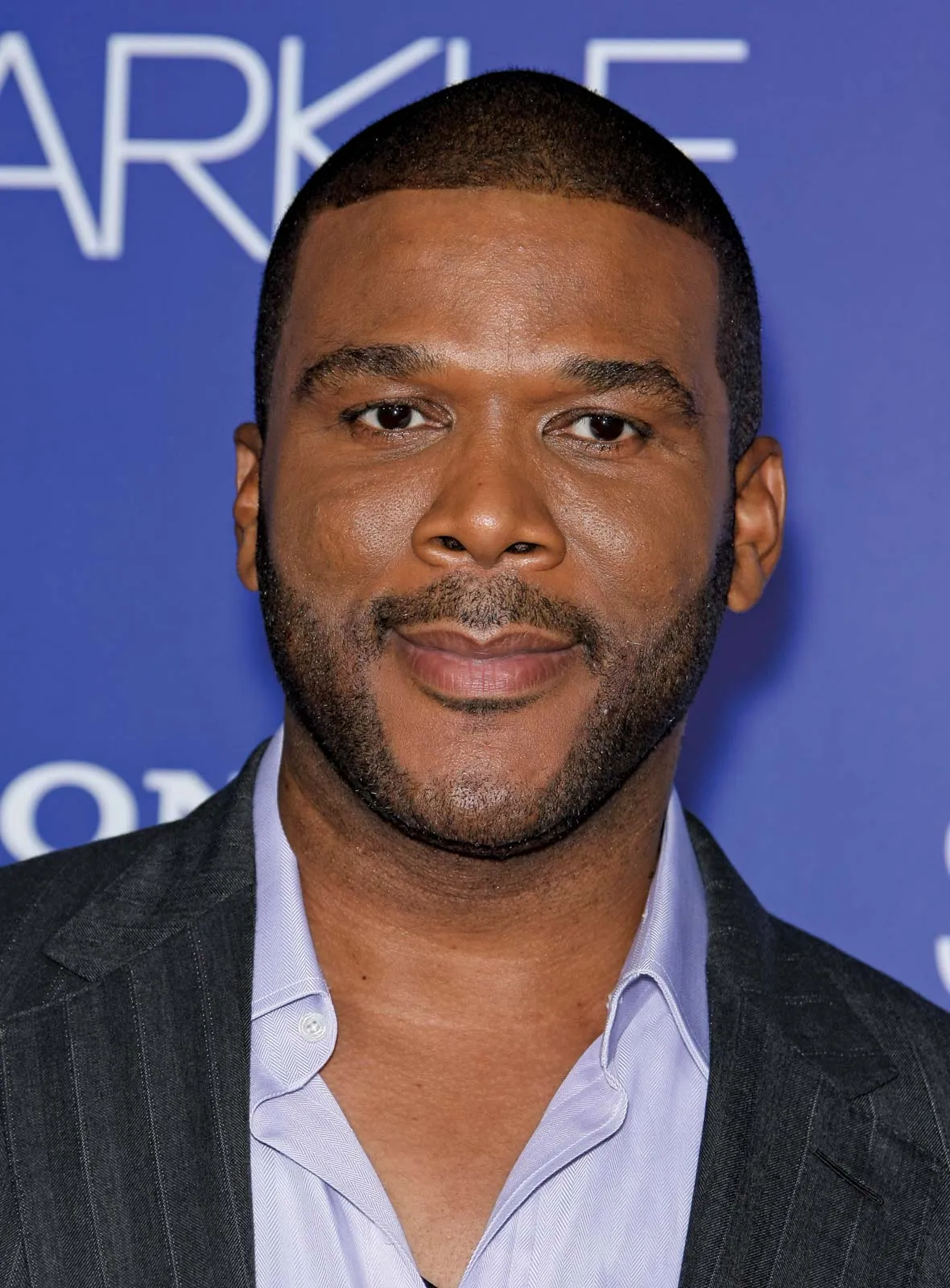
Tyler Perry has emerged as a towering figure in the entertainment industry, known for his unique storytelling ability and unmatched work ethic. His journey from humble beginnings in New Orleans to becoming a multi-million-dollar entertainment tycoon is one of inspiration and resilience. Perry’s influence extends beyond film and television; he has also made significant contributions to philanthropy, reshaping the narratives around African American representation in media.
Career Highlights
Perry began his career in the late 1990s with a series of stage plays that resonated deeply with Black audiences. His breakthrough came with the creation of the character Madea, a tough, elderly woman who became the centerpiece of several successful films. Perry’s productions, including films like “Madea Goes to Jail” and “Why Did I Get Married?”, have grossed over a billion dollars worldwide, showcasing his commercial appeal.
In addition to his film work, Perry has made a name for himself in television. He launched several series, notably “Tyler Perry’s House of Payne” and “The Haves and the Have Nots”, which have contributed to the rise of streaming platforms. His deals with networks such as BET and Oprah Winfrey Network have set new standards for Black creators in Hollywood.
Philanthropic Efforts
Beyond his creative achievements, Perry has shown a deep commitment to philanthropy. Throughout the COVID-19 pandemic, he donated millions to support food banks and organizations assisting vulnerable populations. Perry also funded scholarships for young Black men and women and has openly supported various social justice causes, exemplifying his role as not only an entertainer but a leader in the community.
Conclusion
Tyler Perry stands as a transformative figure in the landscape of American entertainment. His ability to weave together personal experiences with broader societal issues has created a legacy that will undoubtedly influence future generations. As he continues to expand his productions and philanthropic adventures, audiences and aspiring artists alike look to Perry as a beacon of hope and possibility in the ongoing fight for representation and equity in Hollywood.