Introduction: The Importance of Immigration Reforms
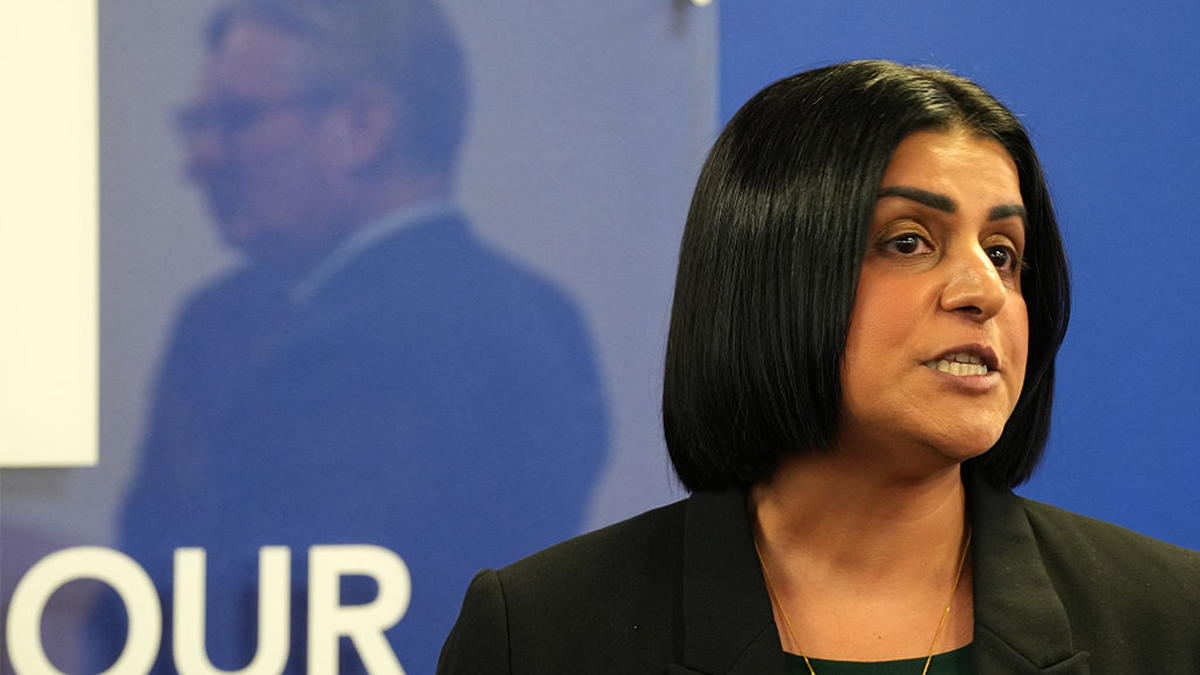
The topic of immigration reforms has become increasingly prominent in the UK, sparking debates about policy changes, humanitarian responsibilities, and economic impacts. Shabana Mahmood, the Labour MP for Birmingham, Ladywood, has stepped into the limelight advocating for comprehensive reforms that address the complexities of migration while ensuring the humane treatment of individuals seeking refuge or better opportunities in the UK. This reporting highlights Mahmood’s position on immigration reforms and the effect these changes could have on a diverse society.
Recent Developments in Immigration Policies
In recent months, UK immigration policies have faced scrutiny, particularly in light of increasing numbers of asylum seekers arriving by small boats across the English Channel. Mahmood has voiced deep concern over the current approach, which she argues is ineffective and inhumane. During a recent speech at a Labour Party conference, she stated, “We must not only protect our borders but also uphold our values of compassion and justice for those who seek safety in our country.”
Mahmood has outlined a series of proposals aimed at overhauling the immigration system, which include streamlining the asylum process, providing clearer pathways to settlement for refugees, and enhancing support for integration programmes. These reforms are designed to offer fair treatment to all individuals and highlight the necessity for balance between security and humanitarian obligations.
Impact of Proposed Reforms
Experts believe that Mahmood’s proposed immigration reforms could significantly change the landscape of migration in the UK. If implemented, these changes are likely to improve the lives of thousands of asylum seekers currently navigating a cumbersome and often hostile immigration system. Furthermore, supporting integration initiatives may strengthen community ties and foster social cohesion, leading to a more inclusive society.
In her advocacy work, Mahmood has also pointed to the economic contributions of immigrants, arguing that welcoming a diverse population can bolster the UK’s economy in various sectors, from healthcare to technology. The need for skilled workers in particular industries offers a compelling case for reforming immigration to attract talent without compromising on safety.
Conclusion: A Call to Action
Shabana Mahmood’s efforts underline the pressing need for the UK government to reassess its immigration policies and consider reforms that reflect compassion, responsibility, and inclusiveness. As discussions continue within Parliament, the significance of these proposed reforms extends beyond politics; they resonate deeply with the societal values that define Britain. The future of the UK’s immigration system hangs in balance, and the call for comprehensive reforms may very well influence the next chapter in the nation’s history.