The numbers
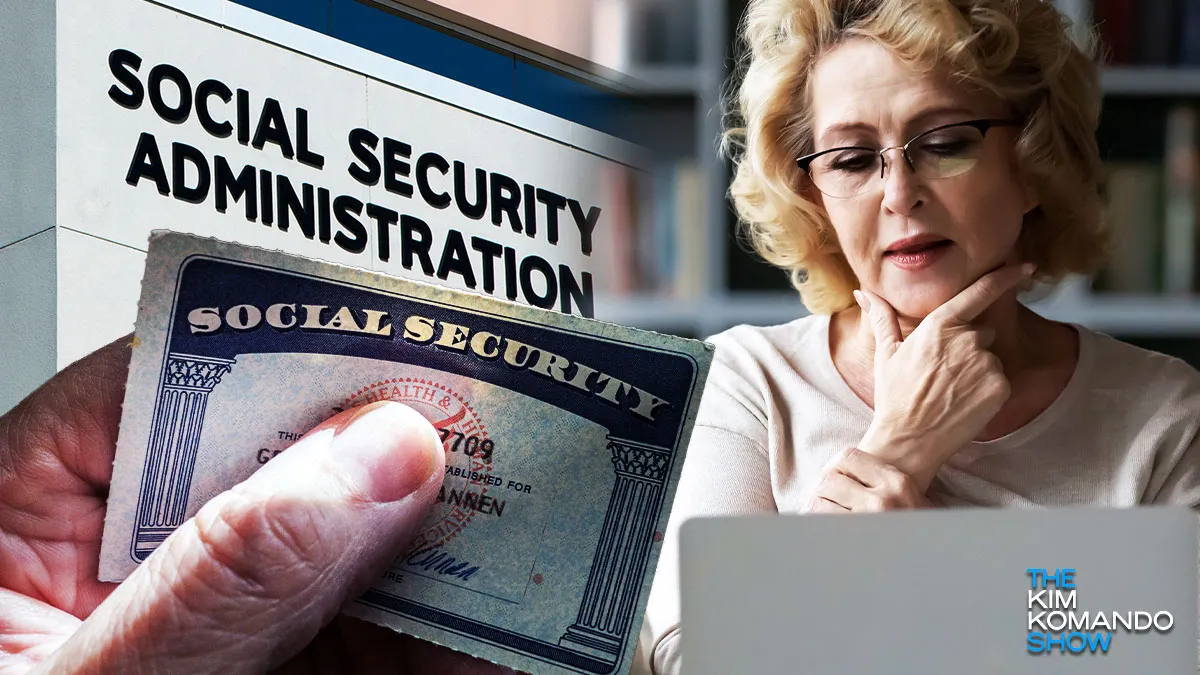
Scammers are increasingly using emails to obtain personal information from retirees, with a staggering 330,000 government impersonation complaints reported to the FTC in 2025, marking a 25% increase from the previous year. These fraudulent emails often mimic official communications from the Social Security Administration (SSA), creating a facade of legitimacy that can easily mislead unsuspecting recipients.
According to Michelle L. Anderson, an SSA representative, “We are seeing a sharp increase in fraudulent emails designed to look like official Social Security Administration communications.” Scammers often employ official-looking language, logos, and formatting to gain the trust of their targets. They may claim that a Social Security statement is ready for download, prompting recipients to click on malicious links.
The SSA has made it clear that official emails will only originate from addresses ending in ‘.gov’. This is a crucial detail for recipients to remember, as many scam emails do not adhere to this standard. Furthermore, the SSA will never demand immediate payment or send unsolicited attachments, a tactic frequently used by scammers to create a sense of urgency.
These emails typically pressure victims to act quickly, claiming there is a problem with their account or that they have won a prize. Such tactics are designed to elicit immediate responses, which can lead to the sharing of sensitive information like full or partial Social Security numbers, dates of birth, and bank account access.
Victims are advised to report any suspicious emails to the SSA Office of Inspector General. If personal information has been shared with a scammer, individuals should cease contact immediately and report the incident. The SSA emphasizes the importance of not clicking links or opening attachments in unsolicited messages, as these actions can lead to identity theft and financial loss.
In light of these developments, it is essential for retirees and the general public to remain vigilant. Scammers will continue to adapt their methods, making it imperative for individuals to stay informed about the latest tactics used in these scams. The SSA’s warnings serve as a crucial reminder of the ongoing threat posed by cybercriminals.
As the number of reported impersonation complaints continues to rise, observers expect that the SSA will enhance its outreach efforts to educate the public about these scams. However, details remain unconfirmed regarding any specific measures that may be implemented in the near future. The battle against impersonation scams is far from over, and individuals must take proactive steps to protect themselves.