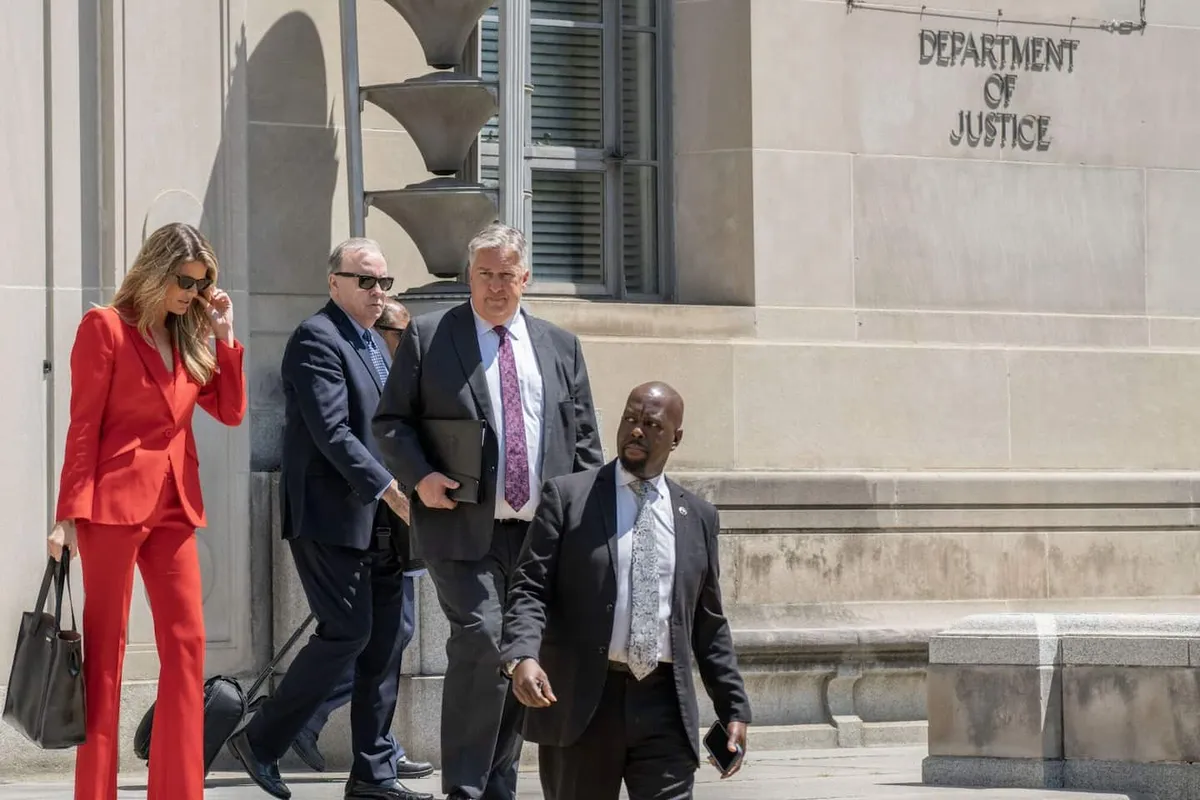
The U.S. Supreme Court’s recent ruling has significant implications for Steve Bannon, as it clears the way for the Trump administration to potentially dismiss the criminal case against him. This decision comes after Bannon was convicted in 2022 for defying a subpoena from the House Select Committee investigating the January 6, 2021, Capitol riot. The stakes are high, as this ruling not only impacts Bannon’s legal standing but also raises questions about the intersection of law and politics in contemporary America.
Bannon’s legal troubles began when he was found guilty of contempt of Congress, serving a four-month prison sentence before his release in 2024. The Supreme Court’s decision on April 6, 2026, sent the case back to the U.S. Court of Appeals for the D.C. Circuit, effectively vacating the lower court’s ruling. While the Supreme Court did not officially dismiss the case, it has created a pathway for the Trump administration to do so. This move is seen as a significant victory for Bannon and his legal team, who have long argued that the case was politically motivated.
At the heart of the Supreme Court’s deliberation was Bannon’s argument that he did not willfully ignore the subpoena and that he relied on legal advice regarding executive privilege. His attorneys contended that he was precluded from presenting such a defense at trial, which raises important questions about the fairness of the judicial process in politically charged cases. The court’s ruling suggests a potential reevaluation of what constitutes ‘willful’ defiance in contempt cases, a legal nuance that could have broader implications for similar cases in the future.
Initially, the Justice Department under President Joe Biden pursued the case against Bannon, but it later decided to drop the indictment, citing that dismissal was in the interests of justice. This decision has been met with mixed reactions, with critics arguing that it reflects a troubling trend of political interference in legal matters. Bannon’s attorney, David Schoen, stated that the case should never have been brought, asserting that it was solely for political purposes, which further complicates the narrative surrounding this legal battle.
Michael Buschbacher, another attorney representing Bannon, expressed delight at the Supreme Court’s decision, emphasizing that the affirmation of Bannon’s unlawful conviction has finally been vacated. This sentiment underscores the ongoing tension between legal accountability and political maneuvering, as both sides of the aisle grapple with the implications of such high-profile cases.
Reaction from the field
The reaction to the Supreme Court’s decision has been swift and varied. Supporters of Bannon view the ruling as a triumph of justice, while critics warn of the potential erosion of accountability for those in power. The Department of Justice’s statement regarding the dismissal highlights the complexities of prosecutorial discretion, suggesting that the decision was not merely a legal one but also a political calculation.
As the dust settles from this ruling, uncertainties remain about the future of similar cases and the broader implications for the relationship between the executive branch and Congress. Details remain unconfirmed regarding how the Trump administration will proceed in light of this decision, and whether other cases involving former administration officials will follow suit. The intersection of law and politics continues to be a contentious battleground, with this case serving as a pivotal example of the challenges faced in maintaining legal integrity amidst political pressures.