How it unfolded
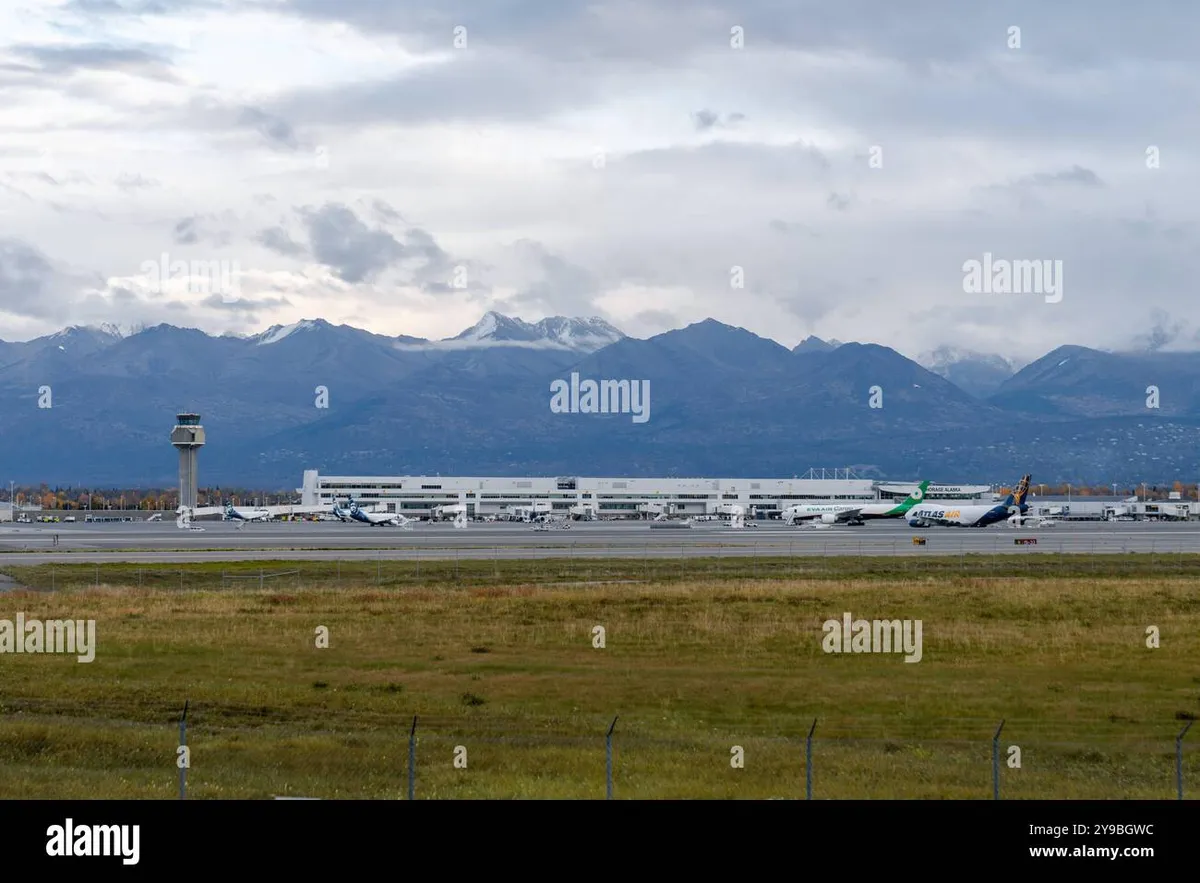
As the aviation industry continues to navigate a turbulent landscape, Ted Stevens Anchorage International Airport finds itself at the center of a storm. Just before dawn on April 6, 2026, the airport was already experiencing operational challenges, exacerbated by a recent blizzard that swept across North America in March. This weather event not only affected Anchorage but also led to widespread flight disruptions across the country.
By early morning, the situation had worsened. Delta Air Lines announced it would be scrapping its scheduled summer flights from Los Angeles to Anchorage, citing rising fuel prices as a primary concern. This decision reflects a broader trend in the airline industry, where carriers are increasingly forced to make tough choices in response to soaring operational costs. Ed Bastian, CEO of Delta, remarked, “Fuel prices almost doubled since the start of the year,” highlighting the financial strain on airlines.
As the day progressed, Ted Stevens Anchorage International Airport cautioned travelers about potential delays caused by slush, ice, and ongoing deicing operations. By mid-morning, the impact was evident: inbound flights were delayed by an average of 36 minutes, according to FlightAware. At least 24 flights were delayed and seven were canceled, with Alaska Airlines reporting multiple late departures on routes to Seattle and Los Angeles.
The challenges at Anchorage are not isolated. Alaska Air Group, which operates Alaska Airlines, revised its first-quarter forecast, indicating a deeper adjusted loss than previously anticipated due to the rising jet fuel prices, which are currently hovering between $150 and $200 per barrel. This revision prompted a major firm to reduce its price target on Alaska Air Group stock from $70 to $60 per share, reflecting investor concerns about the airline’s financial health.
Rigas Doganis, an aviation expert, stated, “Airlines face an existential challenge,” underscoring the precarious position many carriers find themselves in as they grapple with fluctuating fuel costs and unpredictable weather patterns. The operational and technology setbacks experienced at Anchorage over the past year have only compounded these issues, leading to a decline in travel reliability.
As of now, the situation at Ted Stevens Anchorage International Airport remains fluid. Airlines are adjusting their schedules in real-time, trying to mitigate the impact of rising fuel prices and adverse weather conditions. However, the uncertainty surrounding future flight operations looms large. Details remain unconfirmed regarding how these rising costs will affect long-term scheduling and operational strategies.
In summary, the events unfolding at Ted Stevens Anchorage International Airport serve as a microcosm of the broader challenges facing the airline industry today. With rising fuel prices and operational disruptions becoming the norm, stakeholders must adapt quickly to ensure the sustainability of air travel in the region. The coming weeks will be critical in determining how airlines navigate these challenges and what it means for travelers relying on this vital hub.