Introduction
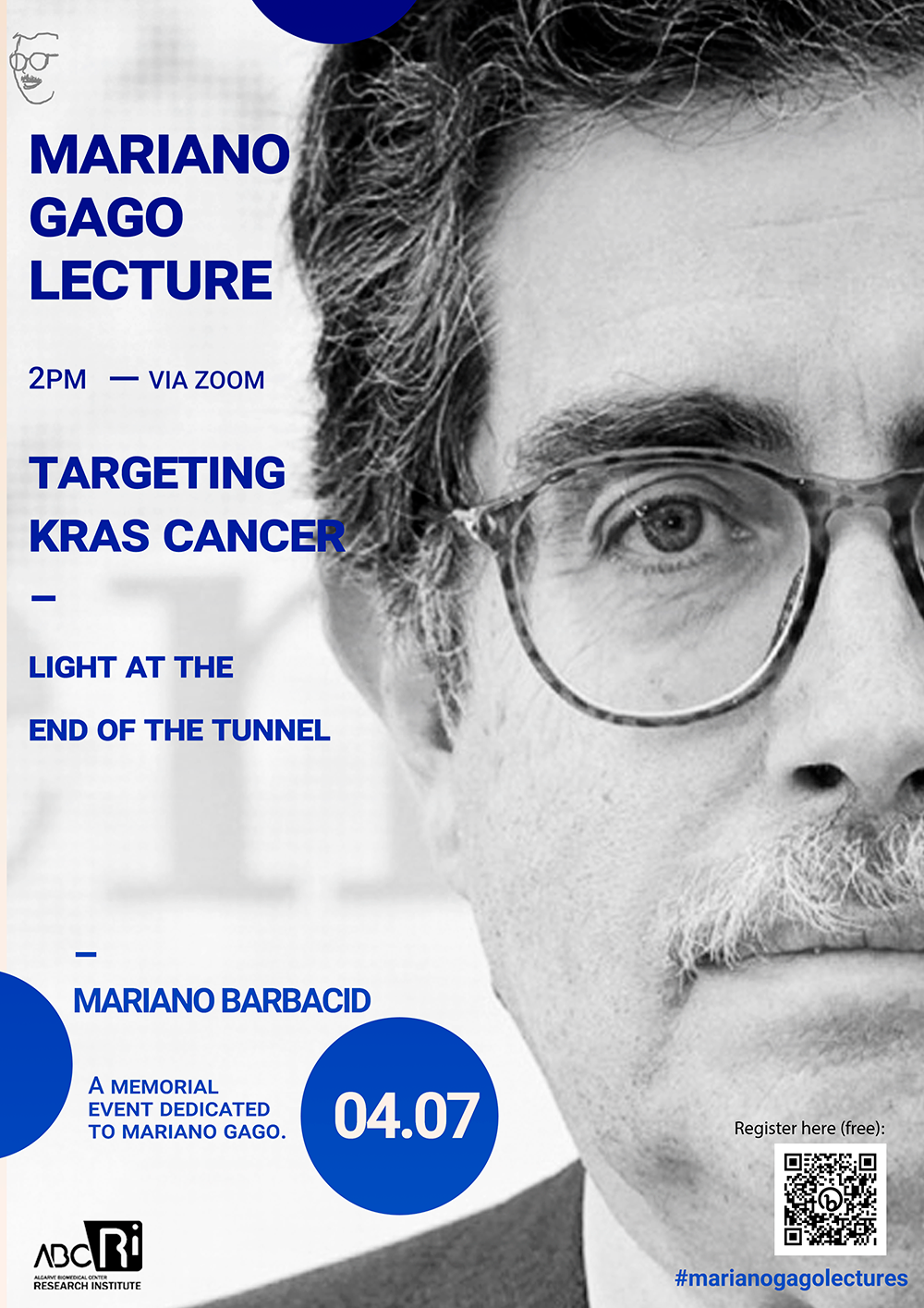
Mariano Barbacid is a prominent Spanish cancer researcher whose pioneering work has significantly advanced our understanding of cancer biology. His contributions are crucial not only for the development of innovative cancer therapies but also for the future of oncology research. As the global health community rallies to combat cancer, Barbacid’s work serves as a vital foundation upon which new breakthroughs can be built.
Key Contributions
Barbacid’s most notable achievement came in the early 1980s when he discovered the first human oncogene, known as the ras gene. This discovery provided critical insight into how certain genes can trigger the transformation of normal cells into cancerous cells. The identification of oncogenes has since been instrumental in cancer research, revealing pathways for targeted therapies.
Throughout his career, Barbacid has held several esteemed positions, including director of the National Cancer Centre in Spain and leading roles at various prestigious institutions such as the National Institutes of Health (NIH) in the United States. He has significantly contributed to the training of new generations of scientists through his mentorship and collaboration on significant projects.
Recent Developments
In 2023, Barbacid’s ongoing research at the Spanish National Cancer Research Centre (CNIO) continues to yield important findings. His recent studies focus on understanding the molecular mechanisms behind resistance to targeted drugs in cancer therapies. As treatment options become more precise, understanding how cancers evolve and resist treatment remains critical.
Moreover, Barbacid is at the forefront of research into the role of stem cells in cancer development. By exploring these fundamental processes, he hopes to develop novel strategies that can not only treat but also prevent cancer.
Conclusion
The significance of Mariano Barbacid’s work cannot be overstated. As cancer remains one of the leading causes of death worldwide, researchers like Barbacid are essential in paving the way for transformative treatments that can save lives. Looking forward, it is expected that his continued studies will lead to breakthroughs that might one day translate into more effective therapies tailored to individual patients, showcasing the profound legacy of his work in the realm of cancer research.