Understanding the Importance of Cancer Screening
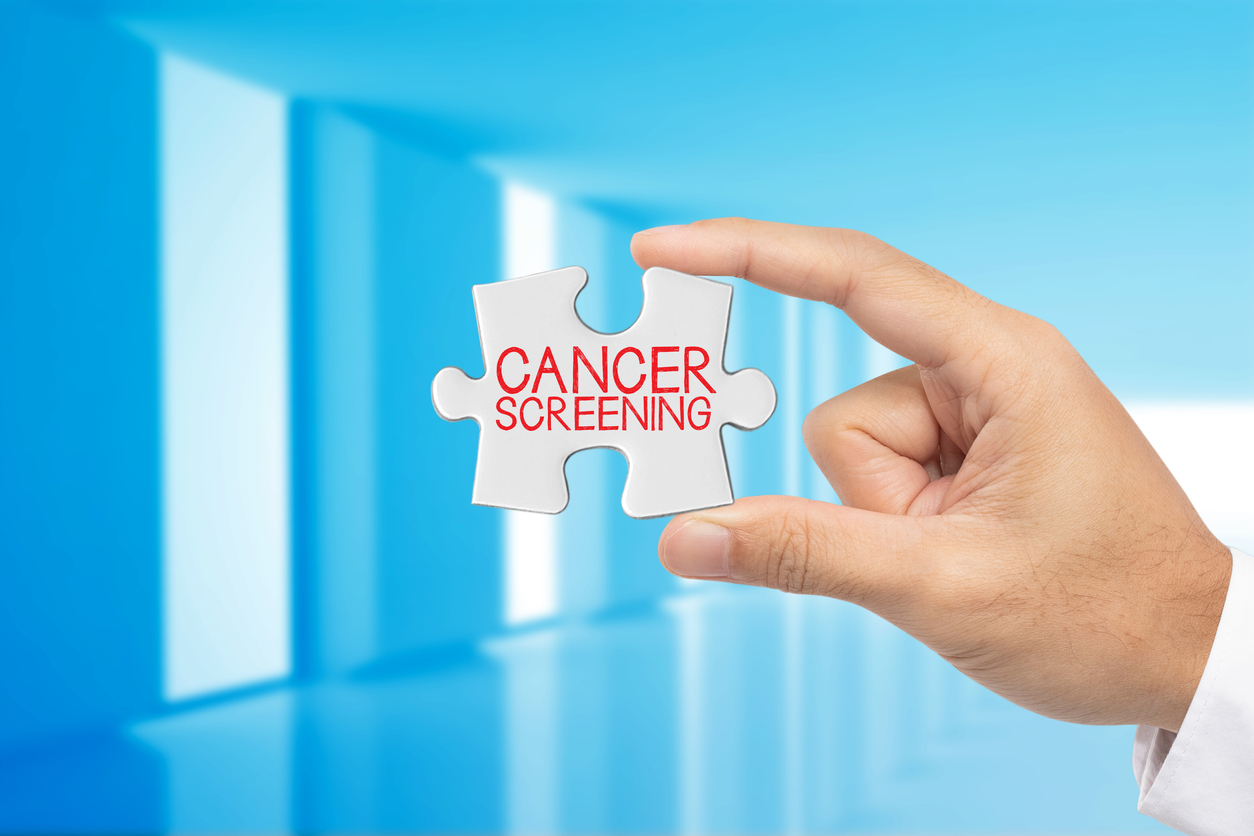
Cancer screening plays a vital role in the healthcare system by facilitating the early detection of various types of cancer. With cancer being one of the leading causes of death worldwide, timely screening can significantly improve treatment outcomes and survival rates. According to the World Health Organization (WHO), early diagnosis and treatment are crucial in reducing the global cancer burden, making screening an essential aspect of public health initiatives.
Recent Developments in Cancer Screening
Recent studies highlight that innovative methods and technologies are enhancing cancer screening procedures. For instance, liquid biopsies, which involve testing blood samples for cancerous cells, have shown great promise in detecting cancers such as lung and breast cancer earlier than traditional methods. Furthermore, advancements in imaging technology, such as digital mammography and advanced MRI, are allowing for more accurate results and better patient options for early intervention.
Current Statistics and Participation Rates
Despite the advancements, participation in cancer screening remains a concern. Data from Cancer Research UK indicates that during the COVID-19 pandemic, screening rates experienced a significant decline, with an estimated 2.5 million cancer screenings missed in England alone. This alarming trend underscores the need for ongoing public health campaigns to encourage regular screenings and educate the population on their importance.
Conclusion: The Future of Cancer Screening
As healthcare systems worldwide strive to recover from the disruptions caused by the pandemic, revitalising cancer screening programmes will be crucial. With advances in technology and a greater emphasis on awareness, the future of cancer screening looks promising. It is essential for readers to understand that participating in regular screenings can lead to earlier detection, which is instrumental in improving treatment success rates and ultimately saving lives. Public health advocates will continue to stress the importance of being proactive about one’s health and utilising available screening resources.