Introduction
Oil has long been a cornerstone of the global economy, playing a pivotal role in energy production, transportation, and manufacturing. As nations strive for energy security and economic stability, the importance of oil remains significant amid shifting geopolitical landscapes and fluctuating market dynamics.
Current Landscape of the Oil Market
As of early 2023, the crude oil market saw considerable volatility, primarily driven by geopolitical tensions, particularly the ongoing conflict between Russia and Ukraine, which has impacted global oil supplies and pricing. According to the International Energy Agency (IEA), Brent crude prices averaged around $80 per barrel, a marked increase from previous years, reflecting strong demand as economies emerge from pandemic restrictions and seek to recover.
Moreover, the Organisation of the Petroleum Exporting Countries (OPEC) has been actively adjusting production levels to stabilise prices. In October 2022, OPEC+ announced plans to cut oil production by 2 million barrels per day to counteract declining prices amidst weaker global demand projections. This decision underscores the organisation’s influential role in shaping the oil market and its dependency on global economic trends.
The Transition to Renewable Energy
Simultaneously, there is a growing emphasis on transitioning towards renewable energy sources as part of a broader strategy to combat climate change. Nations worldwide are investing in green technologies and aiming for net-zero emissions targets. However, this transition is anticipated to be gradual, with the IEA projecting that oil will still account for 25% of the energy mix by 2040, highlighting its continued relevance in the coming decades.
Impact of Oil Prices on Consumers
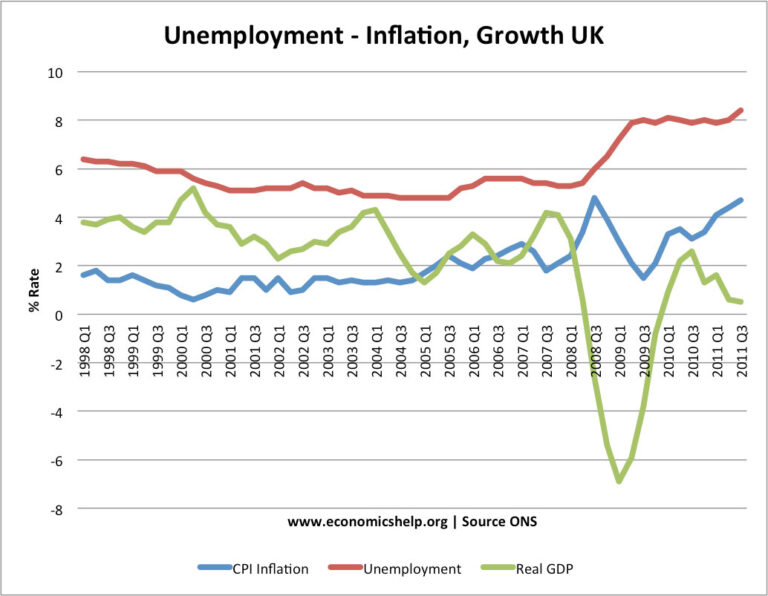
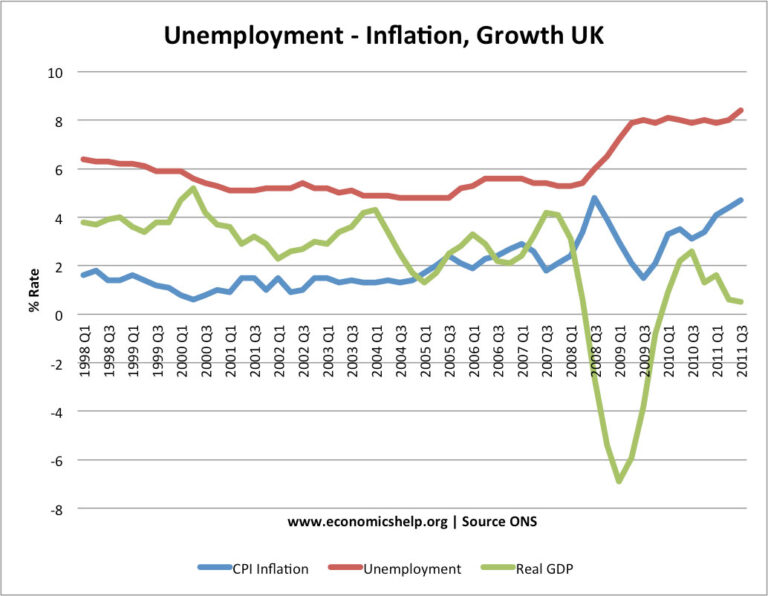
The volatility of oil prices has a direct effect on consumers, influencing fuel costs and the prices of goods across various sectors. For instance, rising oil prices typically lead to increased transportation costs, which are often passed on to consumers, affecting inflation. The UK’s Consumer Price Index (CPI) recently recorded a rise in inflation attributed to higher energy costs, illustrating how oil impacts everyday life.
Conclusion
In conclusion, while the world is undeniably moving towards renewable energy, the importance of oil in the global economy cannot be underestimated. The ongoing geopolitical issues and economic recovery efforts will continue to shape the oil market. Consumers should remain vigilant of price fluctuations, as the oil market will likely affect their economic reality for years to come. Ultimately, the balance between transitioning to sustainable energies while managing oil dependency will be a defining challenge of this decade.