Introduction
The economy is a critical aspect of modern society, impacting every individual and business in various ways. Current economic conditions influence everything from employment rates to the cost of living. With global economies facing unprecedented challenges due to factors like the pandemic, inflation, and geopolitical tensions, understanding these dynamics becomes essential for individuals, businesses, and policymakers.
Current Economic Landscape
As of 2023, the global economy is experiencing a complex landscape marked by fluctuating inflation rates and ongoing recovery from the COVID-19 pandemic. According to the International Monetary Fund (IMF), the global growth rate is projected at 3.2%, reflecting a slowdown compared to previous years. Major economies, including the United States and the Eurozone, are grappling with high inflation, leading central banks to increase interest rates significantly.
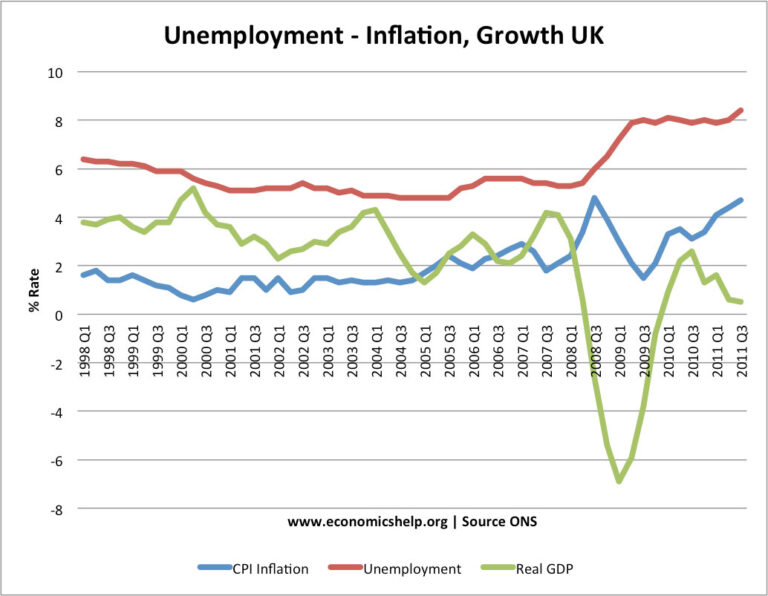
In the UK, the Bank of England has raised interest rates to combat rising prices, which have surged partly due to supply chain disruptions and increased energy costs. The Consumer Price Index (CPI) continues to indicate significant inflation, raising concerns about the purchasing power of households. As of August 2023, the UK’s inflation rate stood at approximately 6.8%, down from previous highs but still above targets.
Factors Influencing Economic Trends
Several key factors are influencing the current economic trends:
- Inflation: Persistent inflation is eroding consumer confidence and altering spending habits.
- Job Market Recovery: While the job market has seen significant recovery, new challenges such as skills shortages and regional disparities in employment persist.
- Geopolitical Tensions: Events such as the Russia-Ukraine conflict have exacerbated global energy prices and disrupted supply chains, further complicating economic recovery.
Future Outlook
The outlook for the economy remains cautiously optimistic. Analysts suggest that while the road to recovery will be bumpy, strategic investments in technology and green initiatives could present long-term growth opportunities. Policymakers are urged to focus on sustainable practices that will not only address current challenges but also prepare for future economic shifts.
Conclusion
The economy is a multifaceted topic of great significance today. Awareness of the current trends and challenges is crucial for informed decision-making at all levels. As governments and businesses adapt to these evolving dynamics, individuals must stay informed and prepared for potential changes in economic conditions. Overall, navigating the complexities of today’s economy requires resilience, innovation, and proactive strategies to harness opportunities and mitigate risks.