Introduction
Released in 1999, ‘Eyes Wide Shut’ was Stanley Kubrick’s final film, starring Tom Cruise and Nicole Kidman. This thought-provoking drama delves into themes of sexual desire, infidelity, and the hidden aspects of human nature. Its relevance persists today, as it continues to spark conversations about relationships and societal norms.
Plot Overview
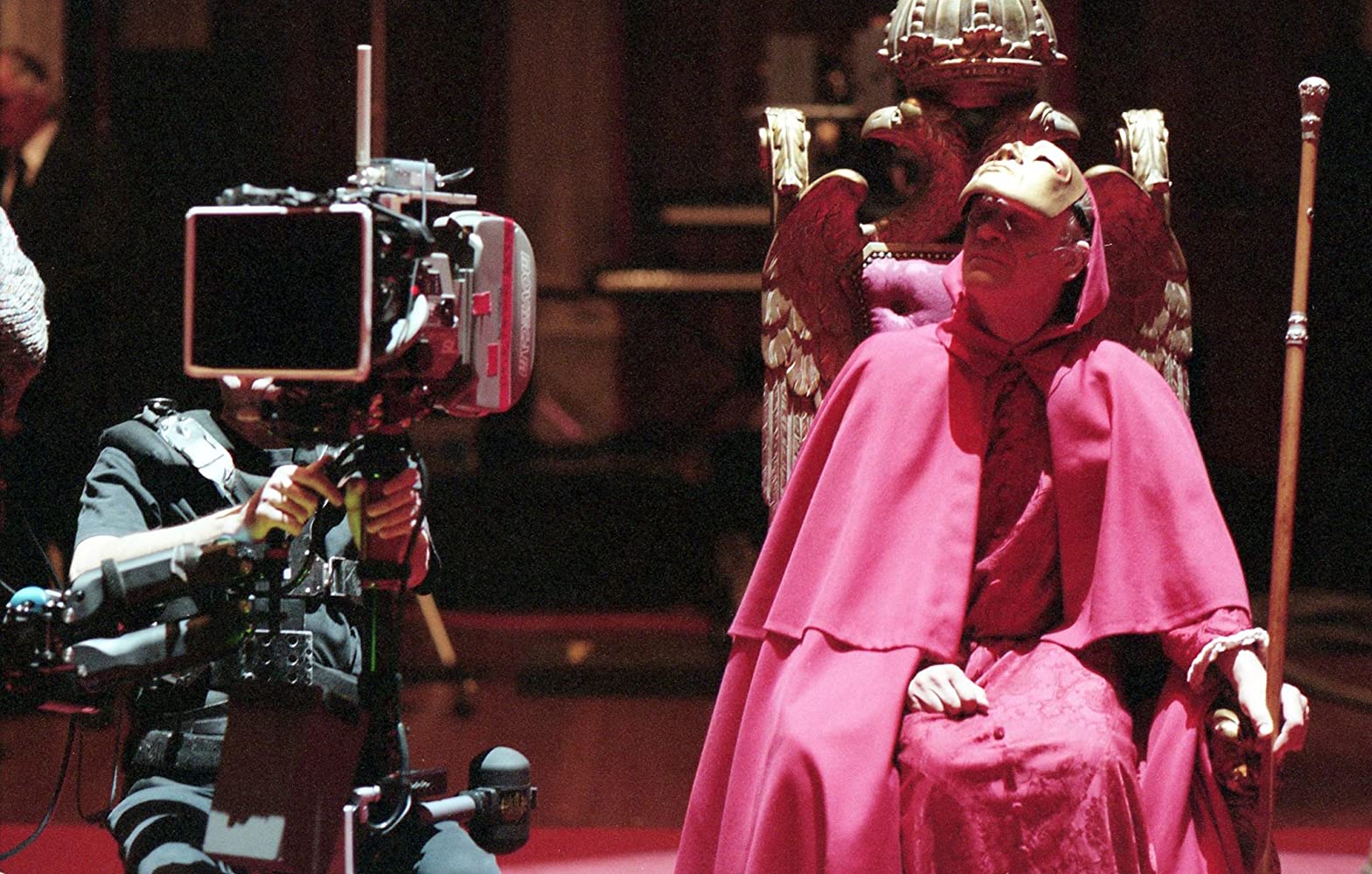
The film follows Dr. Bill Harford, a New York City physician who embarks on a journey of sexual exploration after his wife, Alice, confesses to having fantasies. This unexpected revelation leads Bill to a secret society, where he is confronted with the darker sides of human desire and relationships. The narrative unfolds with a series of dream-like sequences, prompting viewers to consider the subconscious motivations behind their actions.
Key Themes
‘Eyes Wide Shut’ is rich with themes that resonate with audiences even two decades later. The film explores the tension between reality and fantasy, questioning how much of our lives are dictated by appearances. Kubrick masterfully illustrates the duality of love and lust, exposing how easily the two can intertwine and affect personal relationships.
Cinematic Techniques
Stanley Kubrick’s meticulous filmmaking style significantly enhances the viewer’s experience. The use of lighting, music, and symbolism are integral to the film’s storytelling. For instance, the haunting score by Jocelyn Pook amplifies the film’s eerie mood, while visuals of contrasting warm and cold tones create a sense of disorientation. These techniques contribute to the film’s unsettling atmosphere and provoke the audience’s introspection about the core relationships depicted.
Legacy and Impact
‘Eyes Wide Shut’ has ignited debates regarding its portrayal of sexuality and fidelity, influencing numerous filmmakers and artists. The film’s exploration of the hidden facets of human nature resonates strongly during a time dominated by conversations on mental health and emotional honesty. Its cultural significance is also evident in its references in various forms of media, cementing its place in cinematic history.
Conclusion
As we reflect on ‘Eyes Wide Shut,’ it is clear that Stanley Kubrick’s work transcends simple entertainment, inviting viewers to engage deeply with its themes and artistic expressions. The film continues to be relevant today, with its themes of desire, secrecy, and the complexities of marital relationships still resonating in contemporary society. Its legacy inspires ongoing discussions about the human experience and the masks we wear, making ‘Eyes Wide Shut’ a timeless piece of cinematic art.